The Lead Lads | Lead Flashing Guide
Lead Flashing
A complete guide to lead flashing for roofs, chimneys, abutments, valleys and wall junctions — including lead codes, installation principles and where to buy rolled lead sheet from The Lead Shop.


A complete guide to lead flashing for roofs, chimneys, abutments, valleys and wall junctions — including lead codes, installation principles and where to buy rolled lead sheet from The Lead Shop.
Lead flashing is rolled lead sheet used to weatherproof roof junctions, wall interfaces, chimneys, valleys, abutments and other vulnerable building details.
Its job is simple but critical: prevent water entering the building where two materials or roof planes meet. Common examples include chimney flashings, step flashings, apron flashings, cover flashings, soakers, valley linings and abutment flashings.
Lead flashing is available in different thicknesses known as lead codes. The most commonly used roofing lead codes include Code 4 lead, Code 5 lead and Code 6 lead, depending on the detail, exposure and movement requirements.
Get in Touch About Lead Flashing

Commonly used for general roof flashings, abutments and cover flashings.

A stronger option for chimney flashings, valleys and more exposed details.

Order clips, fixings, underlay and patination oil alongside your lead rolls.
Lead flashing remains one of the most effective ways to weatherproof roof interfaces because it is durable, workable and suitable for complex detailing.
Lead is naturally malleable, corrosion resistant and easy to form around roof details. It can be dressed, bossed, cut and welded to create a reliable weatherproof junction when installed correctly.
Lead flashings are commonly used where roofs meet masonry, where chimneys penetrate roof slopes, where valleys collect water, and where changes in material or direction create a risk of water ingress.
Choosing the correct lead code is essential. Lead that is too thin may fail prematurely, while lead that is too heavy may be difficult to form or unnecessary for the detail.
Lead flashings protect the junction between chimney masonry and roof coverings. Chimney details may include soakers, step flashings, apron flashings, cover flashings and back gutters.
Lead valley linings channel water from two roof slopes into the gutter system. These details require careful code selection, laps, support and movement allowance.
Lead is used where a roof meets a wall, parapet or raised upstand. Correct chase depth, cover flashing, fixings and sealant detailing are important.
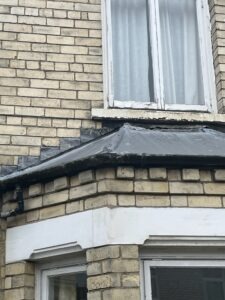
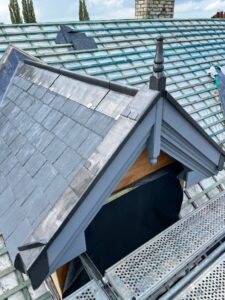
Dormers, bay windows and canopies often rely on lead flashings, lead cheeks, small lead roofs and welded or bossed details.
Lead remains important on historic buildings, churches, listed properties and conservation projects, including both milled lead and sand cast lead.
Shop Lead FlashingThe Lead Shop supplies rolled lead sheet and leadwork products for roofers, builders, contractors, self-builders and competent installers.
For technical guidance, visit our Ultimate Guide to Lead Roofing and Leadwork Standards pages.
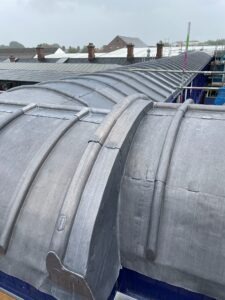
Lead flashings and details completed properly by skilled leadworkers.
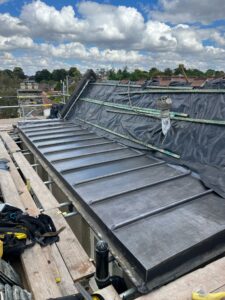
Complete roofing systems, gutters, bays, valleys and specialist details in lead sheet.
View completed leadwork projects by The Lead Lads.
Lead flashing remains one of the most reliable ways to weatherproof roof junctions, but only when the material is correctly specified and installed.
The right lead code, good workmanship, correct fixings and allowance for movement all matter. Whether you need lead flashing materials, technical guidance or specialist installation, The Lead Lads and The Lead Shop work together to support proper leadwork.
For product supply, visit The Lead Shop lead roll section. For installation or advice, contact The Lead Lads.
The Ultimate Guide to Leadwork
The Lead Lads
Lead flashing, lead roofing and specialist leadwork
Wakefield, West Yorkshire
United Kingdom
All rights reserved

The Lead Lads ® Lead Roof Guide Summer Maintenance Summer Lead Roof Maintenance Guide Summer [...]
Latest News The Lead Lads® Launch UK Franchise Model A controlled expansion designed to professionalise [...]
The Lead Lads ® Lead Roof Guide Spring Inspection Spring Lead Roof Inspections — How [...]
#Proper Leadwork: Lead Ventilation & Condensation—Warm vs Cold Roof Strategies Interstitial condensation is one of [...]
#Proper Leadwork: Edge-to-Edge Detailing—Ridges, Verges & Abutments without Stress Ridges and verges frame the roofline. [...]
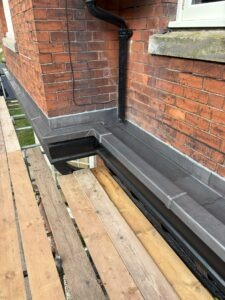
#Proper Leadwork (2026): Upstands & Drips—Heights, Throatings & Edge Geometry Welcome to the New Year [...]

#Proper Leadwork: Lead Soakers—Sizing, Gauges & Interfaces with Slate and Tile Discreet but essential, lead [...]
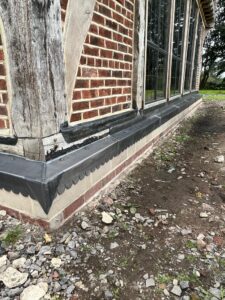
#Proper Leadwork: Cornices, Cappings & Cills—Fixing to Masonry without Cracks Beautiful façades deserve durable lead [...]