The Lead Lads | Technical Leadwork Standards
Leadwork Standards
Leadwork standards, BS 6915, BS 6229, BS EN 12588, LSTA guidance and practical detailing principles for proper rolled lead sheet roofing, flashings, gutters and heritage leadwork.


Leadwork standards, BS 6915, BS 6229, BS EN 12588, LSTA guidance and practical detailing principles for proper rolled lead sheet roofing, flashings, gutters and heritage leadwork.
The Lead Lads deliver leadwork with reference to recognised standards, practical guidance and long-established leadworking principles.
Our leadwork is influenced by LSTA guidance, BS 6915, BS 6229 and BS EN 12588. These references help inform substrate design, rolled lead sheet specification, bay sizing, movement allowance, workmanship, drainage, fixings and long-term durability.
This page acts as the parent resource for our leadwork standards cluster. It is designed for homeowners, architects, building surveyors, contractors, conservation professionals and clients who want to understand what proper leadwork should look like before instructing work or buying materials.
For product support, use The Lead Shop rolled lead sheet categories, lead flashing order page, lead weight calculator, Lead Shop roofing guides and The Lead Handbook.
Request a Leadwork Quote

Correct installation, movement allowance, bay sizing, fixings and workmanship.

Rolled lead sheet selected by code, exposure, application and movement requirement.

Standards-led leadwork for roofs, flashings, gutters, valleys and heritage details.
This page brings together the key standards, practical design principles and workmanship expectations relevant to rolled lead sheet roofing, lead flashings, gutters, valleys, bays, dormers and specialist detailing.
Send photographs, drawings or details of the roof area and we can review the leadwork requirement in context.
Send Your Enquiry View Recent ProjectsProper leadwork depends on the right material, the right substrate, the right detail and the right workmanship. Standards do not replace skill, but they provide a framework for better decisions.
At The Lead Lads, craftsmanship is at the heart of everything we do. From heritage restoration to modern architectural detailing, we aim to deliver leadwork that is durable, watertight, visually appropriate and correctly detailed.
Our approach is shaped by the practical framework provided by BS 6229, BS 6915, BS EN 12588 and Lead Sheet Training Academy guidance. Together, these references help inform:
BS 6229 is relevant when considering flat roof performance, continuously supported coverings, moisture control, thermal design and drainage. Before a roll of lead is installed, the supporting deck, falls, ventilation strategy and vapour control need proper thought.
BS 6915 is a key code of practice for design and installation of fully supported lead sheet roofing and cladding. It is one of the central references for proper leadwork.
BS EN 12588 relates to rolled lead sheet material specification. Correct material supply matters because lead code, thickness, composition and consistency all influence how the finished work performs.
For material planning, use our lead flashing order page, lead weight calculator, rolled lead sheet categories and The Lead Handbook.
Shop Rolled Lead Sheet| Leadwork Standards | Framework of BS 6915, BS 6229, BS EN 12588 and practical guidance. |
| LSTA Guidance | Practical detailing and workmanship guidance for rolled lead sheet. |
| BS 6915 | Code of practice for fully supported lead sheet roofing and cladding. |
| BS 6229 | Flat roof performance principles including moisture, thermal and drainage considerations. |
Explore our wider leadwork pages, technical guides and material ordering resources.
Use these linked resources to move from standards, to technical guides, to product ordering, to completed project examples.
The principal references include practical Lead Sheet Training Academy guidance, BS 6915 for design and installation of fully supported lead sheet roofing and cladding, BS 6229 for flat roof performance principles, and BS EN 12588 for rolled lead sheet material specification.
BS 6915 provides the code of practice for leadwork design and installation, BS 6229 informs flat roof performance considerations such as moisture, thermal control and drainage, while practical LSTA guidance helps translate these principles into workmanship and site-ready detailing.
Explicit standards reduce ambiguity, align designers and installers, and help ensure that lead code selection, movement joints, fixings, underlays and moisture management are clearly defined.
Yes. The same principles are relevant to conservation-led work and modern envelopes. They help manage movement, prevent premature failure and coordinate interfaces with adjacent materials such as slate, tile, zinc, masonry, render and glazing.
Quality-led delivery may include photographs, material references, as-built notes, maintenance guidance and clear records of the work completed. This helps demonstrate that the work has been considered properly and installed in line with the relevant specification.
Architects, building surveyors, conservation officers, contractors, homeowners and clients use leadwork standards to specify, install and verify durable leadwork.

The Lead Lads ® Lead Roof Guide Summer Maintenance Summer Lead Roof Maintenance Guide Summer [...]
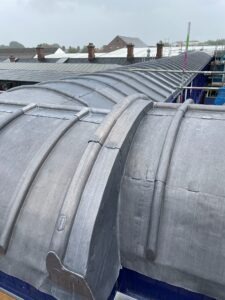
Latest News The Lead Lads® Launch UK Franchise Model A controlled expansion designed to professionalise [...]
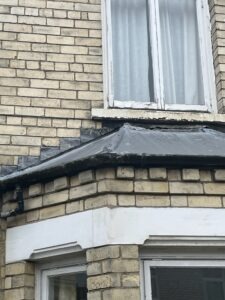
The Lead Lads ® Lead Roof Guide Spring Inspection Spring Lead Roof Inspections — How [...]
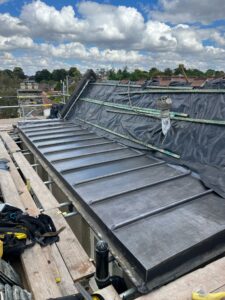
#Proper Leadwork: Lead Ventilation & Condensation—Warm vs Cold Roof Strategies Interstitial condensation is one of [...]
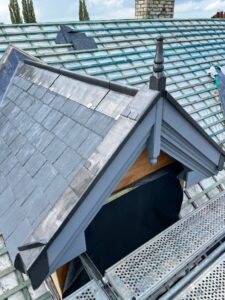
#Proper Leadwork: Edge-to-Edge Detailing—Ridges, Verges & Abutments without Stress Ridges and verges frame the roofline. [...]
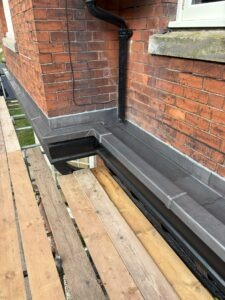
#Proper Leadwork (2026): Upstands & Drips—Heights, Throatings & Edge Geometry Welcome to the New Year [...]

#Proper Leadwork: Lead Soakers—Sizing, Gauges & Interfaces with Slate and Tile Discreet but essential, lead [...]
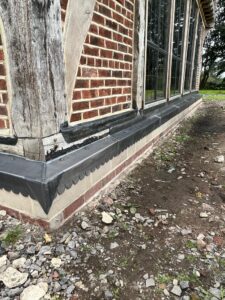
#Proper Leadwork: Cornices, Cappings & Cills—Fixing to Masonry without Cracks Beautiful façades deserve durable lead [...]
Providing proper leadwork services to trade and public. Our mission is simple: provide high-quality leadwork across a range of sectors in rolled lead sheet at a price that is fair, reasonable and proportionate to the skill, detailing and care involved.
At The Lead Lads, our skills have been developed over many years of industry experience. Our attention to detail, practical knowledge and focus on proper leadwork help us deliver durable weathering details across traditional and modern buildings.
Get In Touch
The Lead Lads
Leadwork standards, lead roofing guidance and specialist installation
Wakefield, West Yorkshire
United Kingdom
All rights reserved