

#Proper Leadwork: Edge-to-Edge Detailing—Ridges, Verges & Abutments without Stress Ridges and verges frame the roofline. When they are set out correctly, the covering looks deliberate and the building stays dry. This guide explains lead ridge and verge detailing with practical lap sizes, movement strategies, and fixing patterns. In addition, it aligns each choice with falls, […]
Tag Archives: underlay

31
Dec
Dec
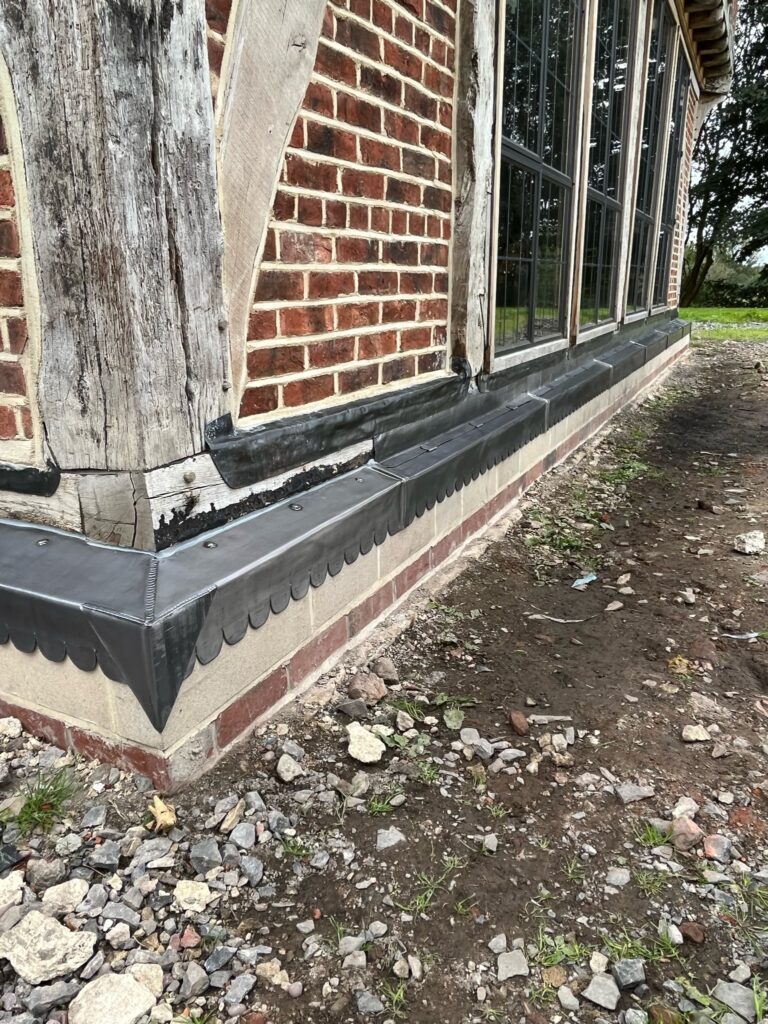
#Proper Leadwork (2026): Upstands & Drips—Heights, Throatings & Edge Geometry Welcome to the New Year master guide on lead upstands and drips. Rather than chase every edge case, this article concentrates on the dimensions and shapes that keep water out and façades clean. Along the way, you’ll find precise height ranges, clear rules for throatings […]
18
Dec
Dec
#Proper Leadwork: Cornices, Cappings & Cills—Fixing to Masonry without Cracks Beautiful façades deserve durable lead cappings. Yet cracks, staining and loose edges happen when movement is ignored and fixings pinch the sheet. This guide covers parapet cappings, cornices and window cills—how to choose codes, form drips, set slip joints, cut chases, and fix to masonry […]
Proper Leadwork: Technical Series | The Lead Lads
Lead Bay Sizing Essentials: Max Dimensions, Falls & Drips

22
Nov
Nov
#Proper Leadwork: Bay Sizing Essentials—Max Dimensions, Falls & Drips The long life of a lead roof depends on correct lead bay sizing. Keep sheets modest, add the right falls and place drips at sensible intervals, and the roof works with thermal movement instead of fighting it. This guide gives you practical bay width/length limits by […]

15
Nov
Nov
#Proper Leadwork: Hollow Rolls & Wood Rolls—Geometry, Centres & Fixing Patterns Elegant, resilient lead roofs often rely on lead hollow roll caps (with timber cores or formed hollows) to control movement and create the classic rhythm of traditional sheet roofing. This guide sets out geometry, roll centres, fixing patterns, code selection (typically Code 5–6), and […]