

Lead for roofing
Code 5
Identified by a red band, code 5 lead is arguably the most used and versatile material when it comes to lead. Use for gutters, flashings, valleys, cladding and more.

Code 5 flashing is a high-quality, durable material used in construction to provide weatherproofing for roofs, chimneys, valleys, and other areas prone to water ingress. It is ideal for both residential and commercial applications due to its exceptional flexibility and resistance to corrosion. Code 5 lead is 2.24mm thick, making it particularly suited for more demanding environments, such as areas exposed to severe weather conditions or where increased malleability and strength are required.
Code 5 flashing can be used for the following core details:
- Chimney interface flashings, either stepped or straight.
- Aprons, back gutters and other areas where there is a roof penetration.
- Lead valley linings.
- Flat roof areas in lead. Bay window roof coverings.
- Lead hips and ridges.
- Most interface details were moderately or highly exposed.
Code 5 roofing lead is arguably the most popular code of lead.
Manufacture Standards
The manufacture of Code 5 lead flashing adheres to British Standard BS EN 12588:2006, which specifies the composition, physical properties, and permissible tolerances of rolled lead sheet. According to this standard, Code 5 lead must have a consistent thickness with a tolerance of ± 5%, ensuring a uniform product that is easy to work with while maintaining structural integrity. The lead must also meet strict purity levels to ensure its long lifespan and effectiveness in various roofing applications.
Installation Standards
When installing Code 5 lead flashing, it is essential to follow British Standard BS 6915:2001, which provides guidance on the design and installation of lead sheet flashings, weatherings, and gutter linings. This standard emphasizes the correct practices for expansion and contraction, recommending the use of lead fixings, clips, and sealing techniques to allow for natural movement without causing cracks or failures. The standard also details proper ventilation and patination to reduce the risk of staining and prolong the life of the lead.
Key recommendations for installation include:
- Correct fixing methods using lead wedges or clips to secure the flashing without restricting movement.
- Overlapping joints by a minimum of 100mm to ensure watertightness.
- Adequate support underneath the lead to prevent sagging or deformation over time.
- Applying patination oil after installation to prevent lead carbonate from forming on the surface, which can cause unsightly stains.
Where to Buy Code 5 Lead Flashing
For purchasing high-quality Code 5 lead flashing that complies with the relevant British Standards, the Lead Lads Shop is a trusted supplier. They offer a wide range of lead products, including Code 5 lead flashing, which is available in various sizes to suit your project needs. Lead Lads Shop provides expert advice, competitive pricing, and ensures that all their lead products meet BS EN 12588 standards, guaranteeing reliability and durability for any roofing or weatherproofing project.

Summer Lead Roof Maintenance Guide | Heat, Expansion & Flashing Checks
The Lead Lads ® Lead Roof Guide Summer Maintenance Summer Lead Roof Maintenance Guide Summer [...]
May
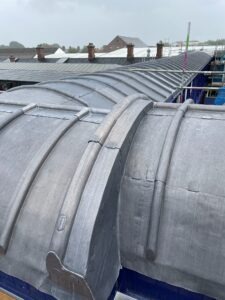
The Lead Lads ® Launch UK Franchise Model to Raise Standards in Specialist Leadwork
Latest News The Lead Lads® Launch UK Franchise Model A controlled expansion designed to professionalise [...]
Apr
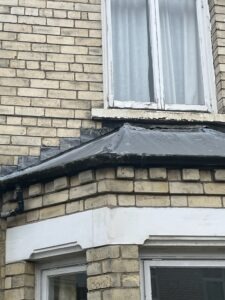
#Proper Leadwork: Spring Lead Roof Inspections—How to Spot Movement, Fatigue & Failure After Winter
The Lead Lads ® Lead Roof Guide Spring Inspection Spring Lead Roof Inspections — How [...]
Mar
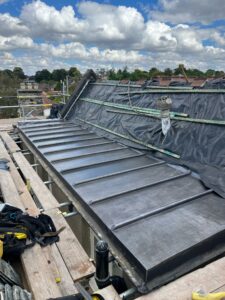
Lead Roof Ventilation & Condensation: Warm vs Cold
#Proper Leadwork: Lead Ventilation & Condensation—Warm vs Cold Roof Strategies Interstitial condensation is one of [...]
Jan
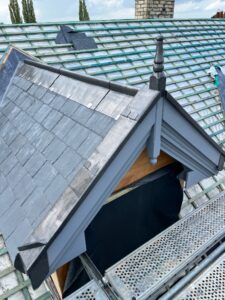
Lead Ridge & Verge Detailing: Ridges, Verges & Abutments
#Proper Leadwork: Edge-to-Edge Detailing—Ridges, Verges & Abutments without Stress Ridges and verges frame the roofline. [...]
Jan
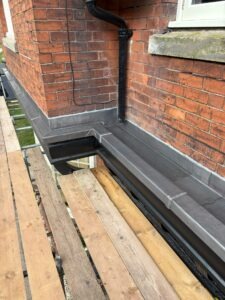
Lead Upstands & Drips: Heights & Edge Geometry
#Proper Leadwork (2026): Upstands & Drips—Heights, Throatings & Edge Geometry Welcome to the New Year [...]
Dec

Lead Soakers: Sizing, Gauges & Interfaces
#Proper Leadwork: Lead Soakers—Sizing, Gauges & Interfaces with Slate and Tile Discreet but essential, lead [...]
Dec
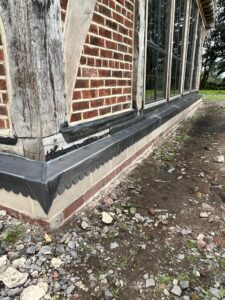
Lead Cappings to Masonry: Cornices & Cills
#Proper Leadwork: Cornices, Cappings & Cills—Fixing to Masonry without Cracks Beautiful façades deserve durable lead [...]
Dec
