
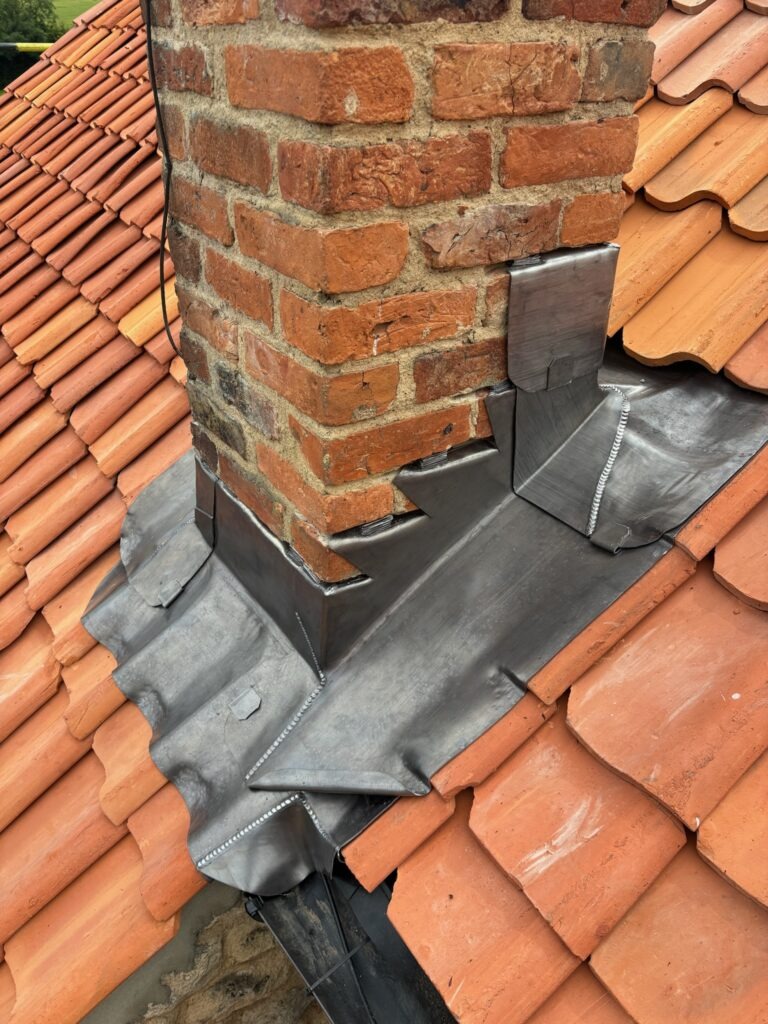
Lead Flashings Explained: Protecting Your Roof from Water Damage
One of the most important elements of any roofing system is the flashing.
Lead flashings act as the protective barrier between vulnerable roof junctions and the elements,
preventing leaks and costly water damage. When installed correctly, lead flashings can last for decades,
providing a watertight finish that complies with
BS6915 standards.
What Are Lead Flashings?
Lead flashings are thin strips of rolled lead sheet
installed at junctions in the roof where different surfaces meet.
Their purpose is to divert rainwater away from gaps, cracks, and penetrations,
ensuring your roof stays watertight.
Common uses include:
- Chimney flashings and soakers
- Valley flashings
- Abutment flashings (where roofs meet walls)
- Dormer window flashings
- Bay window coverings
Why Lead is the Best Material for Flashings
Lead is the most reliable choice for flashings due to its flexibility, strength, and durability.
Unlike plastic or cheaper metals, lead can be bossed and dressed into complex shapes without tearing.
Properly installed, lead flashings will outperform alternatives and remain effective for over 60 years.
Signs Your Lead Flashings Need Replacing
- Water ingress or damp patches on interior walls near chimneys or abutments
- Visible cracks, splits, or lifting in the flashing
- Mortar failure around the flashing joints
- Corrosion or excessive staining around the lead
If you notice these issues, it’s time to arrange a
professional leadwork survey.
Lead Flashing Installation Best Practice
At The Lead Lads, our specialists install lead flashings in line with
BS6915:2001+A1:2014,
ensuring the correct code of lead sheet is used for each application. For example:
- Code 3: Soakers for chimneys and abutments
- Code 4: Chimney aprons, back gutters, and abutment flashings
- Code 5–6: Larger, exposed details for maximum durability
Order Rolled Lead Sheet for Flashings
If you’re a contractor or homeowner tackling flashing repairs, you can order all codes of rolled lead sheet directly from us with nationwide delivery.
🛒 Buy Rolled Lead Sheet for Flashings
Book a Leadwork Survey
Unsure about the condition of your flashings? Our expert team offers nationwide leadwork surveys to identify issues and provide professional solutions.
📞 Book Your Leadwork Survey Today
FAQs About Lead Flashings
How long should lead flashings last?
When fitted to BS6915 standards, lead flashings can last 60–100 years depending on exposure and maintenance.
What code of lead should be used for chimney flashings?
Code 4 rolled lead sheet is generally used for chimney aprons, back gutters, and flashings.
For soakers, Code 3 is suitable.
Can I repair flashings myself?
DIY repairs often fail and can lead to costly leaks.
Always use a professional installer such as The Lead Lads
to ensure compliance and longevity.
