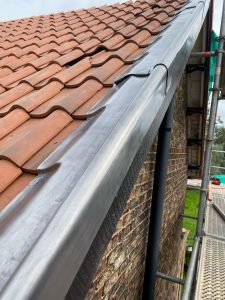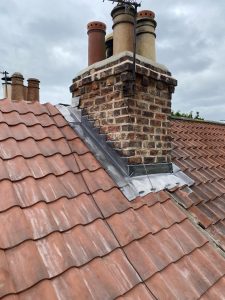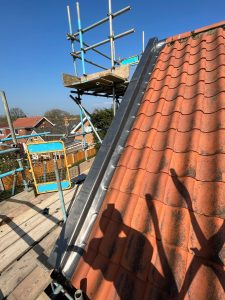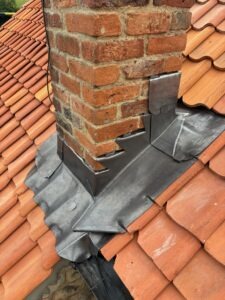




This project was completed by our team in around 8 Days.


The Lead Lads provide comprehensive specifications for a range of services.
The Old School House in Thornhill, near Dewsbury, is a striking Grade II-listed stone-built property dating back to 1643, during the English Civil War. Originally founded as a boys’ school through a bequest from Reverend Charles Greenwood, the building later evolved into Thornhill Grammar School and subsequently a National School before becoming a private residence in 1974. Architecturally, it is a traditional Yorkshire stone building with substantial masonry walls, stone slate roofing and historic parapet detailing, reflecting the robust craftsmanship of early educational buildings in the region. The property retains impressive period character, including a 55-foot great hall with exposed English oak beams and vaulted ceilings, while its scale and commanding roadside presence make it one of the most distinctive historic buildings on Combs Road.
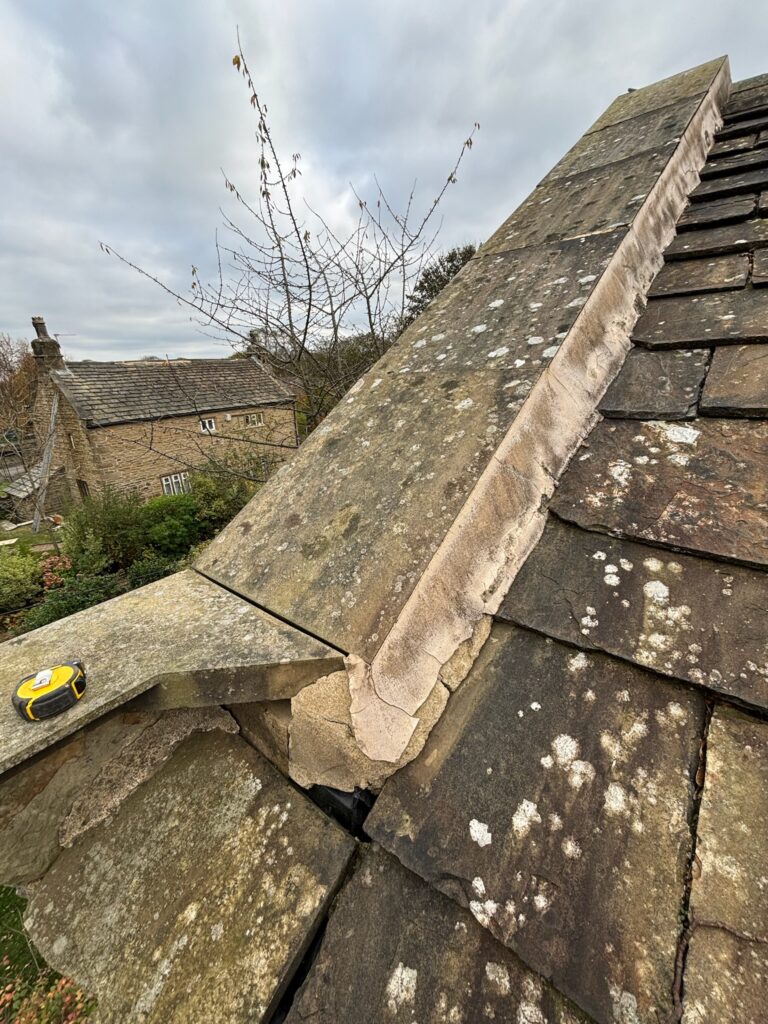
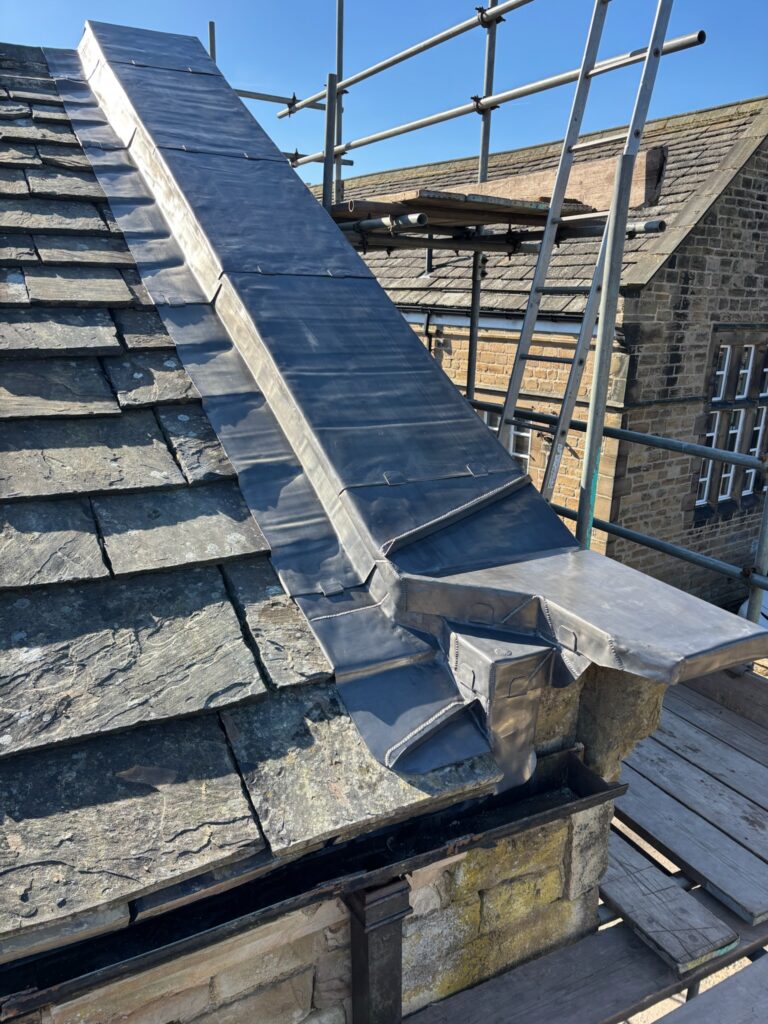
The property features a traditional stone parapet upstand on a Yorkshire stone slate roof, weathered with lead cover flashings and sandstone coping stones. The raised stone structure projects above the roof slope, while the lead flashing forms a watertight junction between the stone masonry and surrounding stone slates. Common on historic Yorkshire properties, details like this rely on properly formed leadwork and stable stone construction to accommodate movement and protect the roof from water ingress.
This existing leadwork failed due to a combination of aged lead fatigue, movement in the stone parapet, and deterioration of the surrounding stone slate roof. The lead flashing has split and cracked from long-term thermal movement and weathering, while sections of stonework have fractured and become displaced around the junction. Open joints and slipping stone slates have also increased the risk of water ingress into the roof structure below.
This project was completed using a standards-led approach focused on proper lead detailing, correct material selection and durable support beneath the finished covering.
Preparation for replacing the lead cappings should begin with a full assessment of the stone gable ends to identify any loose masonry, failed mortar joints or damaged sections requiring repair. As this is a historic property, all work should comply with conservation requirements and recognised guidance including BS 6915, BS EN 12588 and Lead Sheet Association recommendations. Existing debris, failed leadwork and defective bedding materials should be carefully removed before cleaning and stabilising the stone surface beneath. New Code 5 lead should then be dry-fitted and formed to suit the profile of the stone parapet, ensuring correct coverage, support and allowance for natural thermal movement prior to final installation.
Contact us about leadwork More leadwork resources and guides The leadwork LinkThis project used a straightforward but important group of materials, each chosen for a clear purpose within the bay roof build-up.
If you are trying to understand which code of lead is right for a similar detail, our shoppable lead chart is a useful starting point. For broader product learning, see The Lead Handbook and our lead roofing guides.
The Lead & Materials Used By Us 🛒 Lead Weight Calculator
This project teaches us that lead cappings to coping stones play a vital role in protecting historic masonry from water ingress and long-term weathering. It highlights the importance of correctly detailed Code 5 leadwork, proper support beneath the lead, and the use of suitable fixings and drip edges to control water runoff. The project also demonstrates that successful leadwork on listed buildings depends on allowing for natural thermal movement while preserving the integrity and appearance of the original stonework.
Lead cappings usually fail due to age, thermal movement, failed fixings or deterioration of the supporting stonework beneath.
Code 5 lead provides the durability and flexibility needed for exposed roofing details and long-term weather protection.
Yes, movement or failure within the stone parapet can open joints and compromise the lead detailing above.
Lead naturally expands and contracts with temperature changes, so correct detailing helps prevent splitting and fatigue cracking.
Historic roof details should ideally be inspected every few years to identify early signs of wear, movement or water ingress.
You can explore lead roll, lead flashing, fixings, underlay and guides through the Lead Lads Shop.