The Lead Lads | Heritage Leadwork Specialists
Heritage Leadwork
Specialist heritage leadwork, traditional lead roofing, conservation-led repairs and lead detailing for listed buildings, churches, period properties and historic structures.


Specialist heritage leadwork, traditional lead roofing, conservation-led repairs and lead detailing for listed buildings, churches, period properties and historic structures.
In the world of historic building repair, few materials have served buildings as well as lead.
Lead sheet has protected roofs, gutters, flashings, parapets, valleys and architectural details for centuries. It remains a trusted material because it lasts well, suits complex detailing and sits naturally alongside stone, slate, brick, lime mortar and timber.
Heritage leadwork still plays a vital role in the repair and conservation of older buildings. To get it right, you need suitable materials, correct detailing and contractors who understand both traditional construction and modern performance risks.
At The Lead Lads, we carry out specialist heritage leadwork across traditional, listed and character properties. We can review repairs, replacements, failed leadwork and wider conservation-led roofing details in context.
For clients, contractors and specifiers planning leadwork, our wider resources include the Lead Handbook, lead roofing guides, lead flashing order guidance and lead weight calculator.
Send a Heritage Leadwork Enquiry

Sand cast leadwork, rolled lead sheet and conservation-led detailing for sensitive historic repairs.

Leadwork formed to suit the original character, roof geometry and fabric of the building.

Leadwork is our core focus across heritage, traditional, listed and modern roofing projects.
Heritage leadwork is not just about replacing old lead. It is about understanding the building, the original detail, the failure mechanism and the most appropriate repair strategy.
Lead sheet appears across a wide range of historic buildings, from churches and civic structures to farmhouses, cottages, estate buildings and country houses. Builders used it because it could weatherproof difficult junctions, form around complex shapes and provide long service life when detailed properly.
Its value in heritage work comes from:
On historic buildings, lead often appears in:
Historic buildings need a careful approach. Good conservation work does not simply replace old material for the sake of it. The aim should be to repair sensibly, retain sound historic fabric where possible and replace only what has genuinely failed.

When older lead has reached the end of its service life, works often involve careful removal, recording and replacement. Failures may stem from fatigue cracking, poor fixings, oversized bays, thermal movement, bad past repairs or substrate breakdown.
Lead is supplied in thicknesses known as codes under BS EN 12588. The right code depends on the detail, bay size, exposure, fixing method and design. Heritage work often calls for a practical balance between traditional appearance and long-term performance.

Larger roof areas often require Code 6 lead or heavier, while smaller details and some vertical applications may suit Code 4 or Code 5. The choice should always reflect the detail being formed rather than habit alone.
For practical material planning, use the lead chart and lead flashing guide, browse lead roll categories or check likely handling weights using the lead weight calculator.
Get a Quote for Heritage LeadworkSome high-value or highly sensitive heritage projects call for sand cast lead, especially where appearance and authenticity matter as much as performance.
Sand cast lead is made by pouring molten lead into a prepared sand bed. This creates a traditional surface texture and a handmade appearance that can better suit some historic buildings.
It is often chosen because it:
Heritage leadwork should not be approached as a simple replacement exercise. Lead moves, expands and contracts. It depends heavily on correct bay sizing, substrate preparation, fixings and detailing.
Our approach is guided by practical site experience, conservation-led repair principles and relevant leadwork standards, including Leadwork Standards and BS 6915.
For associated materials, see leadwork fixings, lead roofing guides and the Lead Handbook.
Heritage lead roofing needs more than basic roofing experience. It requires an understanding of traditional construction, careful detailing and the discipline to repair or replace work in a way that respects the building.
Whether the job involves renewing a box gutter, replacing lead flashings or restoring a traditional lead roof detail, we focus on careful setting out, proper bay sizes, sound substrate design and workmanship that suits the building in front of us.
Clients looking for wider guidance can also explore our pages on lead roofing, leadwork prices, leadwork standards and the ultimate lead roofing guide.
Send a Heritage EnquiryHeritage leadwork refers to lead roofing and detailing carried out on historic, listed or traditional buildings. The work usually needs a careful approach so repairs or replacement suit the age, appearance and construction of the building.
Replacement may be needed when lead has fatigued, split, slipped, cracked or reached the end of its useful life. In other cases, failure comes from poor fixing, oversized bays, thermal movement or substrate problems rather than the material alone.
No. Some projects require sand cast lead for authenticity, but others can use rolled lead where it suits the detail, specification and conservation approach. The right choice depends on the building, listing requirements, visibility and the work involved.
The correct code depends on the application. Smaller flashings may use lighter codes, while gutters, flat roofs and larger weathering details often require Code 5, Code 6 or heavier. Code selection should reflect bay size, movement, exposure and the detail being formed.
Yes. Modern rolled lead can be appropriate on many historic buildings where it suits the specification, conservation approach and visual requirements. Sand cast lead may be preferred for more sensitive or visually important details.
Leadwork commonly splits because of fatigue, thermal movement, incorrect bay sizing, poor fixing, inadequate allowance for expansion, unsuitable substrates or previous repairs that restrict natural movement.
Yes. We can review and undertake repairs or replacement to heritage box gutters, flashings, flat roofs and associated lead details, depending on the condition and layout of the work.
Yes. We undertake leadwork across churches, listed buildings, period homes and other traditional structures where specialist leadwork is required.
Providing proper leadwork services to trade and public. Our mission is simple: provide high-quality leadwork across a range of sectors in rolled lead sheet at a price that is fair, reasonable and proportionate to the skill involved.
Heritage leadwork is more than a roofing solution. It is part of protecting architectural history with care, accuracy and proper detailing. With the right materials, suitable fixings, correct bay sizing and experienced hands, lead continues to safeguard some of the UK’s most valued buildings.
Whether you need a conservation-led repair, a heritage box gutter replacement, lead flashings to a period roof or guidance on traditional leadwork specification, The Lead Lads can help.
Heritage Leadwork Quote
Lead Lads® Wakefield
Operated by Penman Leadwork & Roofing Ltd
12 Woodside, Wrenthorpe
Wakefield, WF2 0LE
United Kingdom
All rights reserved

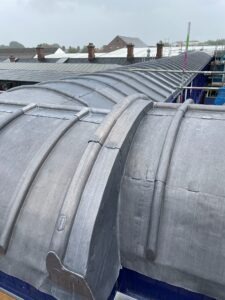
The Lead Lads ® Lead Roof Guide Summer Maintenance Summer Lead Roof Maintenance Guide Summer [...]
Latest News The Lead Lads® Launch UK Franchise Model A controlled expansion designed to professionalise [...]
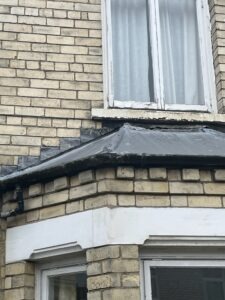
The Lead Lads ® Lead Roof Guide Spring Inspection Spring Lead Roof Inspections — How [...]
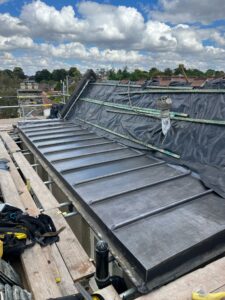
#Proper Leadwork: Lead Ventilation & Condensation—Warm vs Cold Roof Strategies Interstitial condensation is one of [...]
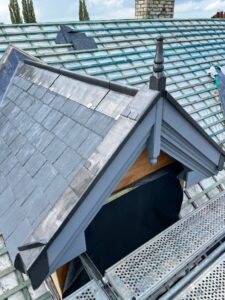
#Proper Leadwork: Edge-to-Edge Detailing—Ridges, Verges & Abutments without Stress Ridges and verges frame the roofline. [...]
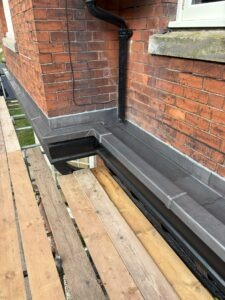
#Proper Leadwork (2026): Upstands & Drips—Heights, Throatings & Edge Geometry Welcome to the New Year [...]

#Proper Leadwork: Lead Soakers—Sizing, Gauges & Interfaces with Slate and Tile Discreet but essential, lead [...]
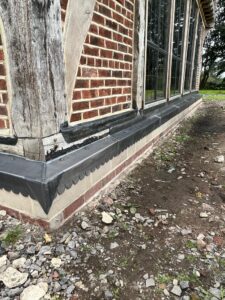
#Proper Leadwork: Cornices, Cappings & Cills—Fixing to Masonry without Cracks Beautiful façades deserve durable lead [...]