The Lead Lads | Lead Welding Specialists
Lead Welding
A practical guide to lead welding, lead burning, welded lead sheet details, chimney flashings, outlets, gutters, valleys and specialist lead roofing work.


A practical guide to lead welding, lead burning, welded lead sheet details, chimney flashings, outlets, gutters, valleys and specialist lead roofing work.
Lead welding, also known as lead burning, is the skilled process of fusing lead sheet together using controlled heat.
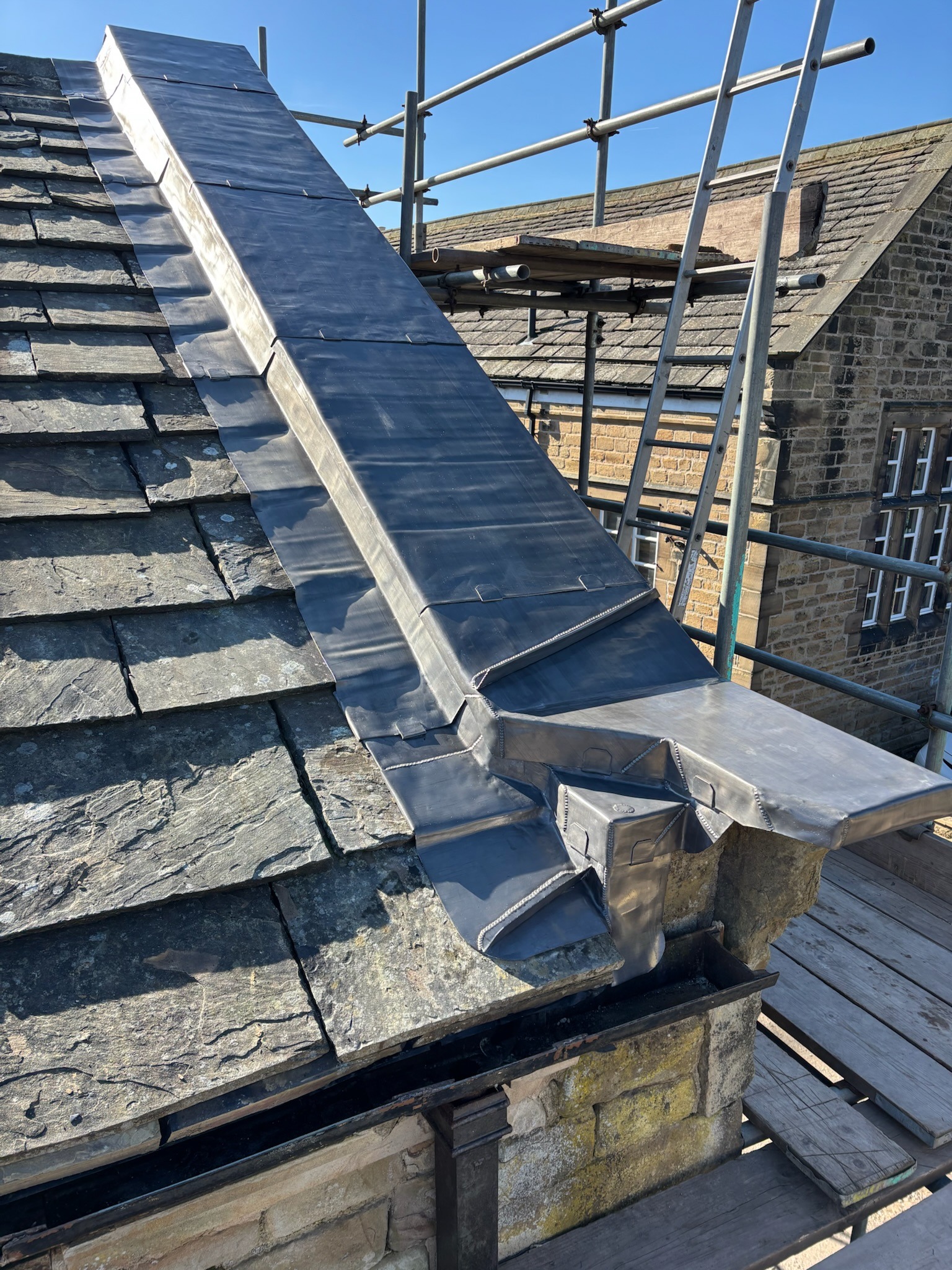
It is a core leadwork technique used to form watertight joints, corners, outlets, saddles, junctions and fabricated details. Unlike soldering, lead welding relies on melting and fusing the lead itself, usually with matching lead filler where required.
A good lead weld requires preparation, clean material, heat control, torch control and experience. The finished weld is often recognisable as the individual leadworker’s signature — each one has its own rhythm, shape and character.
Discuss Lead Welding
Lead welding is one of the most important specialist skills in traditional and modern lead roofing.
Lead welding is the process of joining lead sheet by heating the edges until the material fuses together. It is commonly carried out with an oxy-acetylene torch and is used where a strong, weatherproof and formed joint is required.
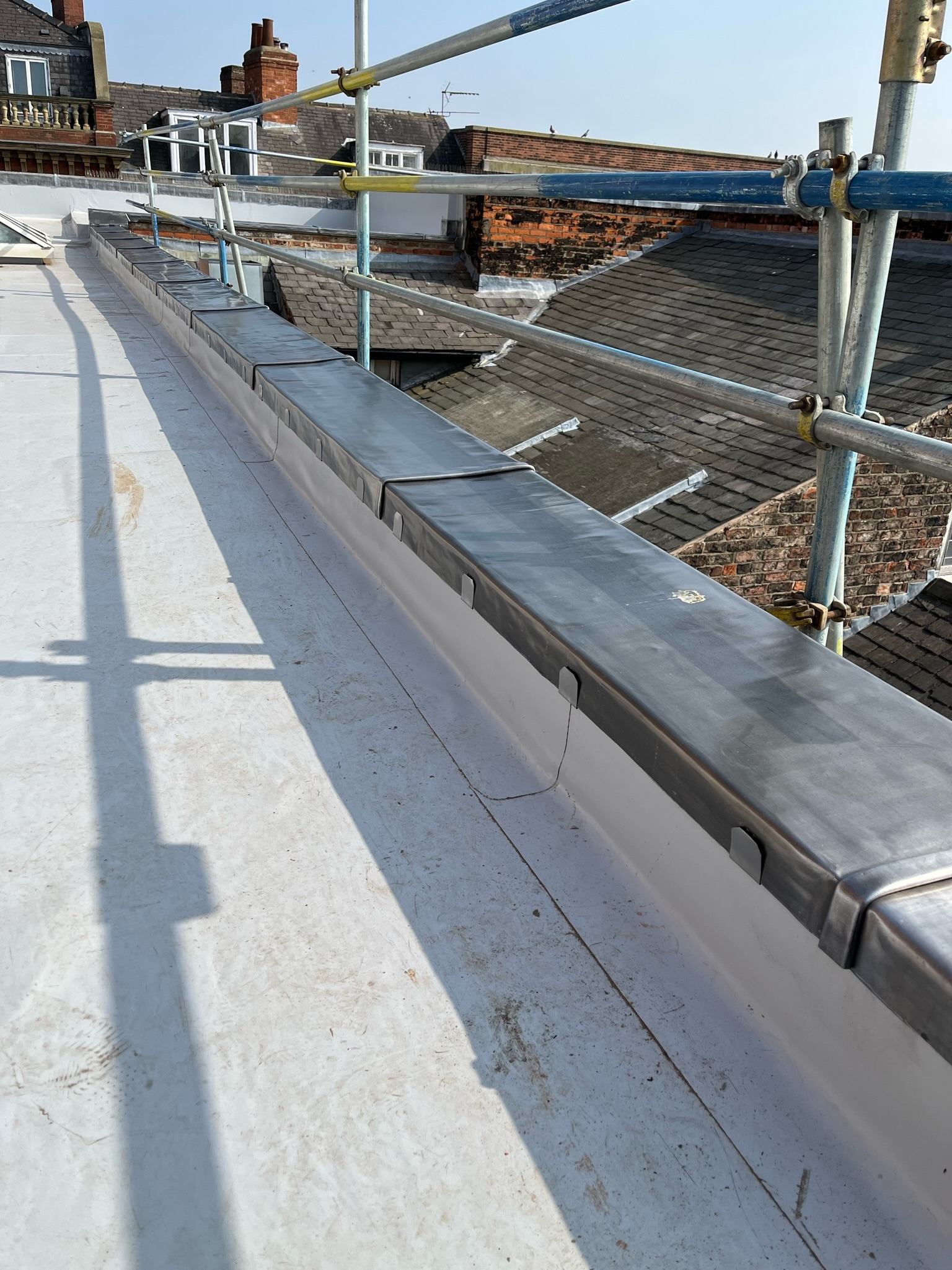
This technique is particularly important in lead roofing, heritage work, chimney flashings, lead gutters, outlets, valleys, saddles, dormer details and complex roof junctions.

Lead welding can form strong, clean corner details where bossing alone is unsuitable.

Custom outlets, pipes and rainwater details often rely on accurate welded leadwork.

Lead can be cut, formed and welded around complex roof junctions and interfaces.
Lead welding is not simply a decorative skill. It is often essential where lead sheet must be joined, adapted or fabricated into a watertight roofing detail.
On roofs, lead is commonly used at the most vulnerable interfaces of a building: chimneys, valleys, gutters, abutments, parapets, dormers, outlets and roof junctions. These locations need careful detailing because water, movement and exposure all place stress on the material.
Lead bossing is useful where lead can be shaped without cutting. Welding becomes important where the shape is too complex, where thinning would be excessive, or where a fabricated joint is needed.
Lead welding must be carried out with proper controls. Lead fumes, heat, fire risk, confined spaces and working at height all require competent risk assessment and suitable protective equipment.
Anyone welding lead should understand safe handling, ventilation, fire protection, respiratory protection, hot works procedures and the risks of lead exposure.
For contractors and competent tradespeople, The Lead Shop provides leadwork products, fixings and accessories to support professional installation.
The Lead Lads provide specialist leadwork services to trade, public, contractors, architects and property owners.
Our mission is simple: to provide high-quality leadwork across a range of sectors at a fair and reasonable price that reflects the skill, time and care required to do the work properly.

The Lead Lads
Lead welding, lead roofing and specialist leadwork
Wakefield, West Yorkshire
United Kingdom
All rights reserved

The Lead Lads ® Lead Roof Guide Summer Maintenance Summer Lead Roof Maintenance Guide Summer [...]
Latest News The Lead Lads® Launch UK Franchise Model A controlled expansion designed to professionalise [...]
The Lead Lads ® Lead Roof Guide Spring Inspection Spring Lead Roof Inspections — How [...]
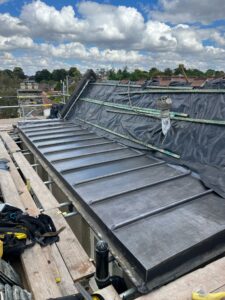
#Proper Leadwork: Lead Ventilation & Condensation—Warm vs Cold Roof Strategies Interstitial condensation is one of [...]
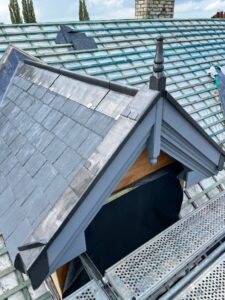
#Proper Leadwork: Edge-to-Edge Detailing—Ridges, Verges & Abutments without Stress Ridges and verges frame the roofline. [...]
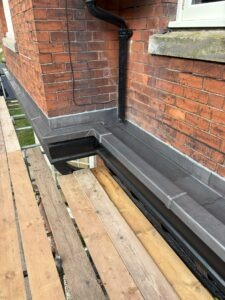
#Proper Leadwork (2026): Upstands & Drips—Heights, Throatings & Edge Geometry Welcome to the New Year [...]

#Proper Leadwork: Lead Soakers—Sizing, Gauges & Interfaces with Slate and Tile Discreet but essential, lead [...]
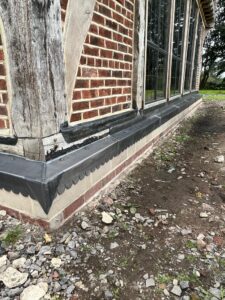
#Proper Leadwork: Cornices, Cappings & Cills—Fixing to Masonry without Cracks Beautiful façades deserve durable lead [...]