The Lead Lads | Bespoke Leadwork
Lead Detailing
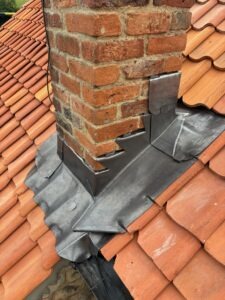
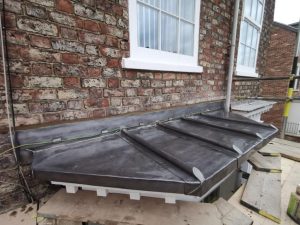
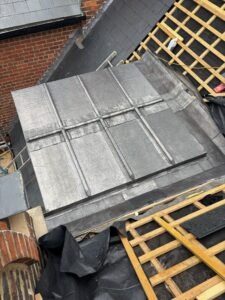
Lead detailing for bespoke roof junctions, flashings, valleys, outlets, hips, ridges, gutters and specialist weathering details in rolled lead sheet.


Lead detailing for bespoke roof junctions, flashings, valleys, outlets, hips, ridges, gutters and specialist weathering details in rolled lead sheet.
Lead detailing is used where a roof needs a precise, durable and weatherproof solution formed to suit the building. It may involve traditional flashings, valleys, hips and ridges, or more bespoke work such as outlets, sumps, cappings, gutter interfaces and decorative details.
At The Lead Lads, we form lead details in context. Many of these items are not standard products; they are measured, shaped, dressed, bossed or welded to suit the exact roof condition, water flow and surrounding materials.
This page explains when bespoke leadwork is used, what details can be formed, why workmanship matters and how properly formed leadwork contributes to long-term roof performance.
For material support, visit The Lead Shop for rolled lead sheet, fixings, patination oil, lead weight calculator and The Lead Handbook.
Send a Lead Detailing Enquiry
Lead detailing is used wherever a building requires a weatherproof detail that must be formed precisely to suit a specific junction, roof shape or interface.
Standard roofing products often struggle with unusual shapes, awkward abutments, heritage constraints, intersecting roof lines and complex rainwater paths. Rolled lead sheet is valuable because it can be bossed, dressed, bent, welded and shaped to the exact condition on site.
A common example is a bespoke lead outlet formed to act as both a rainwater drain and overflow detail. Lead can be formed into the gutter lining, strengthened where required and integrated neatly with the surrounding roof covering.
In skilled hands, lead offers practical weathering solutions that other materials often cannot achieve as neatly or as durably.

Flashings, valleys, aprons, hips and ridges formed to proper leadwork principles.

Hand-formed details created in context to solve awkward roof interfaces.

Durable lead intersections that avoid the weaknesses and maintenance demands of mortar.
We form practical, durable and carefully finished details in rolled lead sheet for traditional buildings, modern roofs and specialist weathering conditions.
Lead is one of the most adaptable materials used in roofing and building weathering. Because it is both durable and workable, it can be formed into a wide range of practical and visually refined details.
Common forms include:
If roofing work involves abutments, penetrations, valleys, parapets, bay roofs, dormers or unusual junctions, some form of leadwork may be required.
Bespoke detailing is especially valuable on older buildings, where angles and interfaces are rarely straightforward. It is also useful on modern buildings where a clean, durable and properly integrated weathering solution is needed.
Some details are well-established traditional forms, such as valleys, aprons, flashings and ridges. Others are specific to one roof, one building or one junction.
That is one of the strengths of lead. It allows technical creativity while remaining rooted in proper roofing principles. The detail is often refined in context rather than taken from a standard product catalogue.
Good leadwork depends not just on the material, but on the skill of the person forming it. Bossing, dressing, bending, clipping and welding all require care and experience.
Time must also be allowed for setting out, cutting, lifting materials into place and adapting supporting joinery or substrate details before the lead is installed.
Where hips meet ridges on slate or flat-profile tiled roofs, lead can provide a far more durable solution than mortar. Mortar-based details often require repeated maintenance, while carefully formed lead intersections can offer a robust and long-lasting alternative.
Lead used in roofing applications should be finished correctly. This often includes the use of patination oil to help manage surface oxidation and reduce the risk of staining to adjacent materials.
Lead should be handled carefully before, during and after installation so that the finished work looks right and performs properly.
If you need a small team of professional leadworkers to assist with a specialist project, we are well placed to help.
Get a QuoteBelow are common questions about bespoke leadwork, typical applications, timescales and cost.
Lead can be used to form flashings, valleys, gutters, aprons, rolls, bay roofs, hips, ridges, cappings, outlets and sumps. It is particularly useful where a roof has awkward interfaces or non-standard conditions.
If your roof includes abutments, penetrations, valleys, parapets, bay roofs, dormers or unusual junctions, some form of lead detail may be required. The right solution depends on the building, surrounding materials and water path.
This depends on the detail. Bespoke leadwork may involve setting out, cutting, bossing, welding, dressing, material handling and preparatory joinery or substrate work. A site review is usually the best way to assess likely timescales.
There is no single rate because the work depends on access, complexity, materials, supporting works and the time required to form and install the detail properly.
Yes. In addition to installation services, we supply rolled lead sheet, fixings, patination oil and related products through The Lead Shop.
We undertake bespoke leadwork and supply lead materials online for roofing projects requiring proper weathering solutions.
Shop Lead Materials Request a QuoteProviding proper leadwork services to trade and public. Our mission is simple: deliver high-quality leadwork across a range of sectors in rolled lead sheet at a price that is fair, reasonable and proportionate to the skill, detailing and care involved.
Every detail should be considered in proper context. If you need advice on a bespoke outlet, roofing interface, flashing package, gutter detail or wider leadwork scheme, contact us and we will review your enquiry.
Get In Touch
Lead Lads® Wakefield
Operated by Penman Leadwork & Roofing Ltd
12 Woodside, Wrenthorpe
Wakefield, WF2 0LE
United Kingdom
All rights reserved

The Lead Lads ® Lead Roof Guide Summer Maintenance Summer Lead Roof Maintenance Guide Summer [...]
Latest News The Lead Lads® Launch UK Franchise Model A controlled expansion designed to professionalise [...]
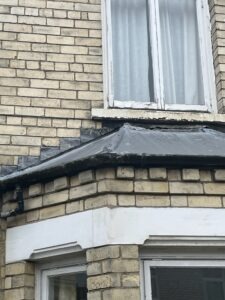
The Lead Lads ® Lead Roof Guide Spring Inspection Spring Lead Roof Inspections — How [...]
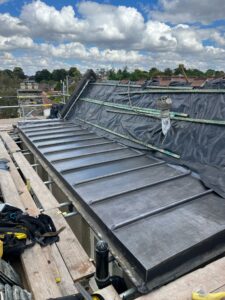
#Proper Leadwork: Lead Ventilation & Condensation—Warm vs Cold Roof Strategies Interstitial condensation is one of [...]
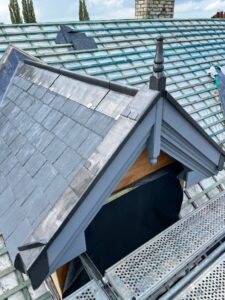
#Proper Leadwork: Edge-to-Edge Detailing—Ridges, Verges & Abutments without Stress Ridges and verges frame the roofline. [...]
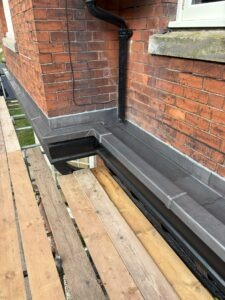
#Proper Leadwork (2026): Upstands & Drips—Heights, Throatings & Edge Geometry Welcome to the New Year [...]

#Proper Leadwork: Lead Soakers—Sizing, Gauges & Interfaces with Slate and Tile Discreet but essential, lead [...]
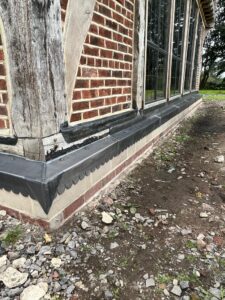
#Proper Leadwork: Cornices, Cappings & Cills—Fixing to Masonry without Cracks Beautiful façades deserve durable lead [...]