The Lead Lads
Failed Lead Gutters
Technical guidance on leaking lead gutters, ponding, poor falls, blocked outlets, failed box gutters, valley gutter defects and parapet gutter leaks.


Technical guidance on leaking lead gutters, ponding, poor falls, blocked outlets, failed box gutters, valley gutter defects and parapet gutter leaks.
Lead gutters are critical roof drainage details. They collect, direct and discharge rainwater from roof areas that may otherwise force water into masonry, roof voids, parapets or internal finishes.
This guide explains common causes of failed lead gutters, including ponding, poor falls, undersized outlets, blocked drainage, failed box gutters, split valley gutters, defective parapet gutters and movement-related gutter cracking.
The aim is to help homeowners, contractors, surveyors, architects and professional advisers understand why lead gutters leak, how gutter failures develop and when independent inspection or reporting may be appropriate.
Where independent diagnosis, defect reporting or remedial specification is required, clients may also wish to contact Strut Building Surveyors for professional inspection and reporting support.
Request Independent Review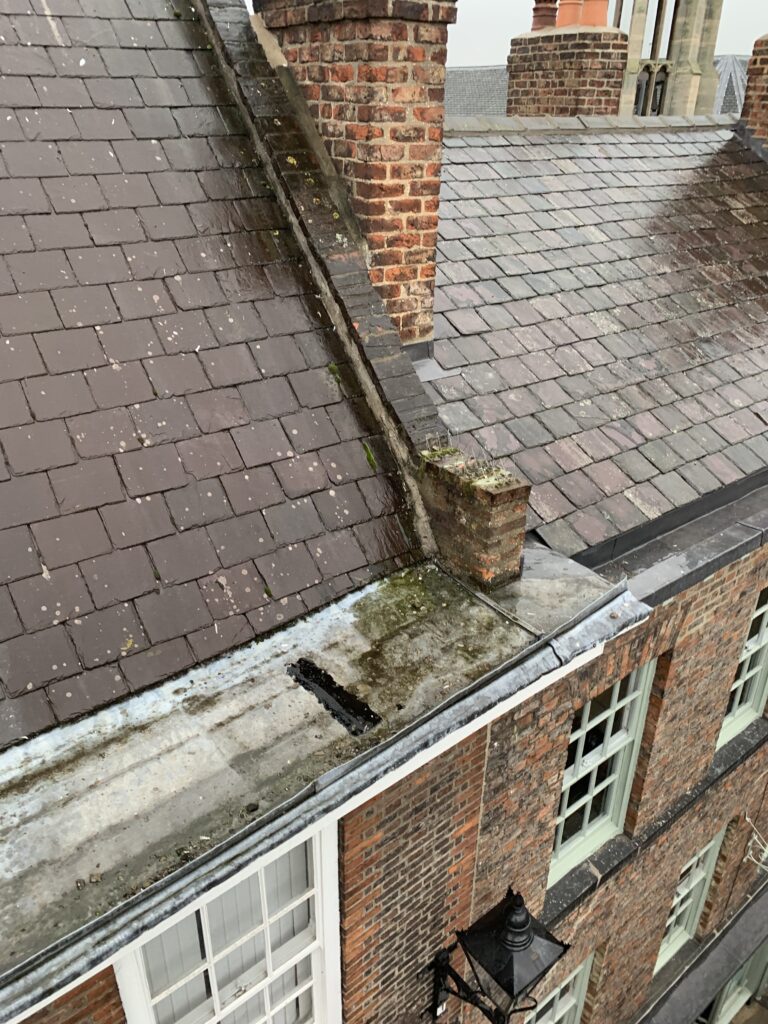

Water ingress from lead box gutters, valley gutters, parapet gutters and roof drainage details.
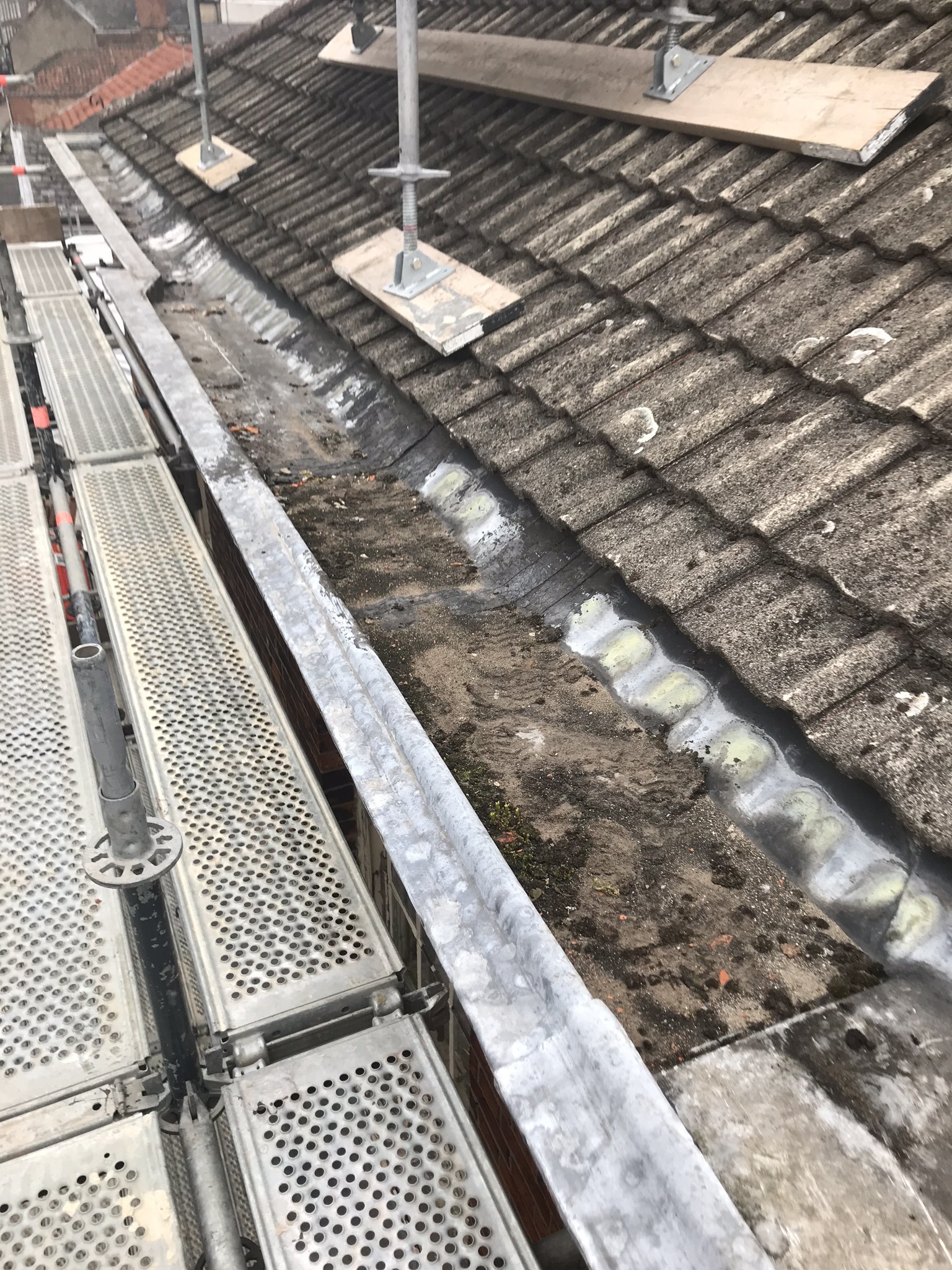
Poor falls, sagging substrates, blocked outlets and inadequate drainage can overload lead gutters.

Independent inspection, defect reports and remedial specification support where needed.
This page explains why lead gutters fail, how leaking gutters should be assessed and how gutter defects relate to falls, outlets, bay sizing, substrate support, workmanship, maintenance and water-shedding design.
If the issue involves water ingress, ponding, poor workmanship, blocked drainage, internal damage or a contractor dispute, independent reporting may be appropriate.
Contact Strut Surveyors View Leadwork FailuresLead gutter failure is usually caused by a combination of design, installation, drainage, support and maintenance problems. A lead gutter is not simply a folded channel. It must be designed to collect water, move water, accommodate thermal movement and discharge safely through suitable outlets.
Common causes of failed lead gutters include:
One of the most common lead gutter defects is ponding. Water should be encouraged to drain toward outlets, sumps or discharge points. Where the gutter is flat, back-falling or sagging, standing water can place prolonged stress on the leadwork and the supporting structure.
Ponding may be caused by poor original design, inadequate substrate formation, settlement, timber decay, blocked outlets or later alterations that interrupt the intended drainage route.
Lead box gutters are often hidden behind parapets, between roof slopes or at roof junctions. Because they are concealed, failures can go unnoticed until water has already entered the building.
Common box gutter defects include poor falls, split lead, failed drips, inadequate outlets, undersized gutters, no overflow route, blocked leaf debris and poor access for maintenance. In some cases, the gutter may have been formed without properly considering rainfall, roof area or discharge capacity.
Lead valley gutters collect water from adjoining roof slopes and are therefore exposed to concentrated water flow. They need correct width, falls, bay sizing, laps, edge detailing and outlet provision.
Valley gutter failure may occur where the valley is too narrow, where roof coverings discharge poorly into the valley, where the lead is split through movement, or where debris creates blockage and water backup.
Parapet gutters are high-risk details because failure may direct water into the building rather than outside it. If outlets block or the gutter overtops internally, water can enter ceilings, walls, insulation, timber and finishes.
Good parapet gutter design should consider falls, outlet sizing, sumps, overflow routes, access for cleaning and what happens if the primary drainage route becomes blocked.
Lead gutters are exposed to thermal movement. If gutter bays are too long, fixed too tightly or formed without proper drips and bay breaks, the lead can crack, split, ripple or tear at stress points.
Movement failures are often seen at corners, outlets, drips, laps, joints and locations where the lead has been restrained by fixings, masonry, timber or previous repairs.
Failed lead gutters should be considered in relation to relevant technical guidance and workmanship principles. Useful references include:
Where a lead gutter failure is disputed, recurring, connected to internal damage or part of a wider contractor issue, independent inspection may be sensible before remedial work is agreed.
Strut Building Surveyors can assist with roofing defect inspections, lead gutter failure reports, moisture investigations and remedial specification support where professional reporting is required.
Request Independent Inspection
Failed box gutters can direct water into the building before external defects are obvious.

Poor falls, narrow valleys, splits and debris blockage can all cause valley gutter leaks.

Independent reporting can identify cause, workmanship issues and remedial options.
Use the guide links below as a technical index. Some pages may be developed as the failure library expands.
Lead gutter failures may require different levels of investigation depending on severity, access, rainfall route, internal damage, dispute status and whether the defect is visible or concealed within the roof structure.
Lead gutters commonly fail because of poor falls, blocked or undersized outlets, incorrect bay sizes, missing drips, inadequate substrate support, movement restraint, lack of overflow provision or poor maintenance access.
Ponding may be caused by poor original falls, sagging substrates, blocked outlets, settlement, timber decay or a gutter design that does not encourage water to discharge properly.
A lead box gutter may leak because of split lead, failed drips, poor falls, blocked outlets, undersized drainage, poor laps, no overflow provision or concealed defects within the supporting structure.
Some lead gutter defects can be repaired, but repeated leaks, poor falls, oversized bays, bad substrate condition or incorrect original detailing may require partial or full replacement.
Relevant guidance includes BS 6915 for leadwork design and installation, BS EN 12588 for rolled lead sheet material quality, BS 6229 for substrate and drainage principles and LSTA guidance for practical leadwork detailing.
A specialist leadwork contractor can advise on practical repair or replacement. Where independence, water ingress investigation or formal reporting is required, a building surveyor or roofing defect specialist such as Strut Building Surveyors may be appropriate.

The Lead Lads ® Lead Roof Guide Summer Maintenance Summer Lead Roof Maintenance Guide Summer [...]
Latest News The Lead Lads® Launch UK Franchise Model A controlled expansion designed to professionalise [...]
The Lead Lads ® Lead Roof Guide Spring Inspection Spring Lead Roof Inspections — How [...]
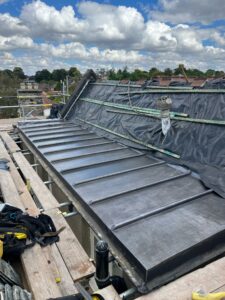
#Proper Leadwork: Lead Ventilation & Condensation—Warm vs Cold Roof Strategies Interstitial condensation is one of [...]
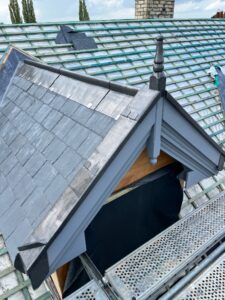
#Proper Leadwork: Edge-to-Edge Detailing—Ridges, Verges & Abutments without Stress Ridges and verges frame the roofline. [...]
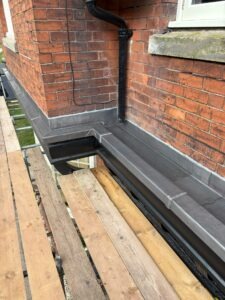
#Proper Leadwork (2026): Upstands & Drips—Heights, Throatings & Edge Geometry Welcome to the New Year [...]

#Proper Leadwork: Lead Soakers—Sizing, Gauges & Interfaces with Slate and Tile Discreet but essential, lead [...]
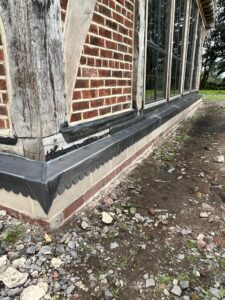
#Proper Leadwork: Cornices, Cappings & Cills—Fixing to Masonry without Cracks Beautiful façades deserve durable lead [...]
Understanding failed lead gutters is part of understanding proper leadwork. Leaking gutters often reveal where falls, outlets, bay sizes, drainage, substrate design or workmanship have not been properly considered.
The Lead Lads provide specialist leadwork services. Where an independent report, defect diagnosis or remedial specification is required before works are instructed, clients may also wish to contact Strut Building Surveyors.
Contact The Lead Lads Contact Strut Surveyors