The Lead Lads
Lead Roof Condensation
Technical guidance on condensation beneath lead roofs, failed ventilation, vapour control issues, damp substrates and moisture-related leadwork defects.

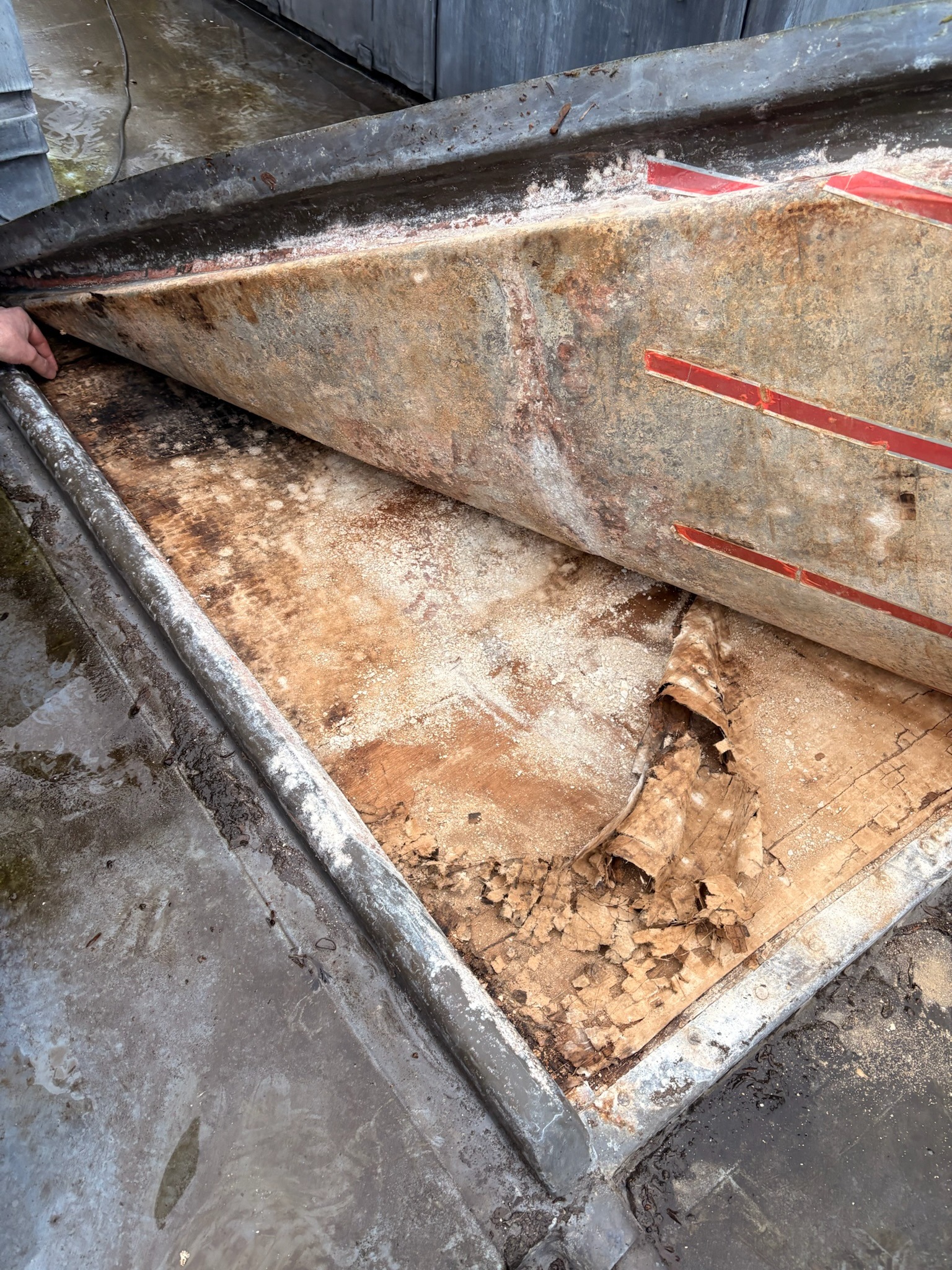
Technical guidance on condensation beneath lead roofs, failed ventilation, vapour control issues, damp substrates and moisture-related leadwork defects.
Lead roof condensation is not usually a failure of the lead sheet itself. It is often a failure of the supporting roof build-up beneath the lead. Moisture can become trapped within the structure where warm internal air reaches cold surfaces, where ventilation is blocked, or where vapour control has not been designed correctly.
This guide explains common condensation problems beneath lead roofs, including cold roof defects, blocked ventilation paths, poorly designed warm roofs, missing vapour control layers, damp substrates, mould risk and moisture damage to timber decks.
The aim is to help homeowners, contractors, surveyors, architects and professional advisers understand how condensation risk develops below leadwork and why moisture investigation may be needed before remedial work is agreed.
Where independent diagnosis, defect reporting or remedial specification is required, clients may also wish to contact Strut Building Surveyors for professional inspection and reporting support.
Request Independent Review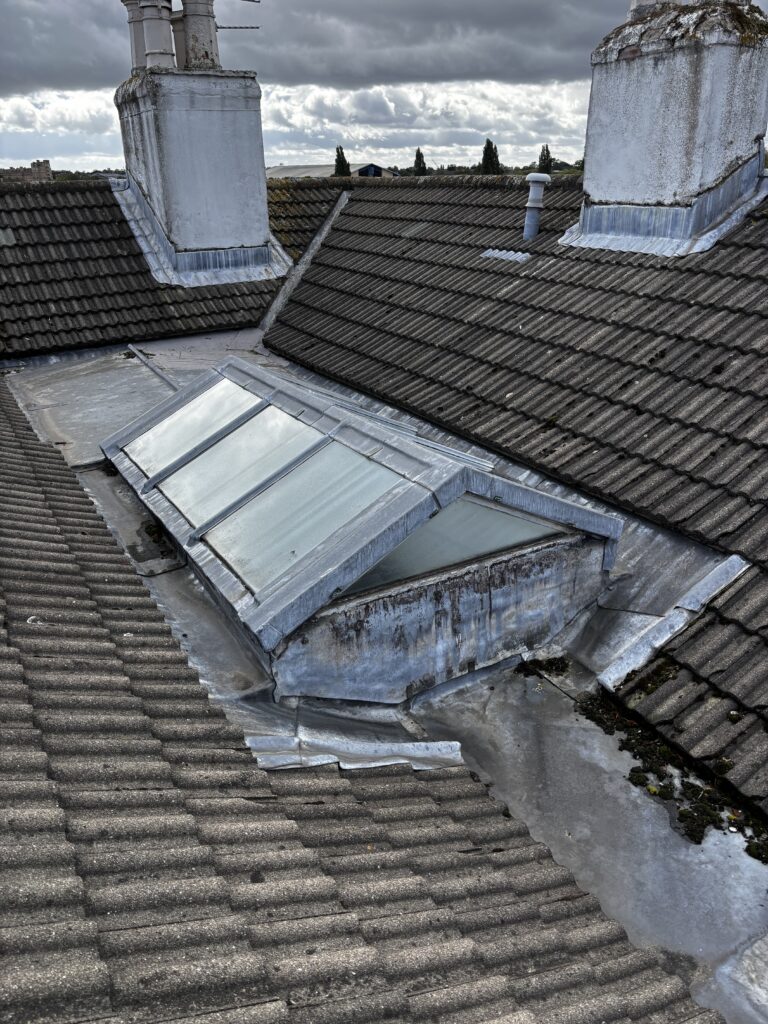
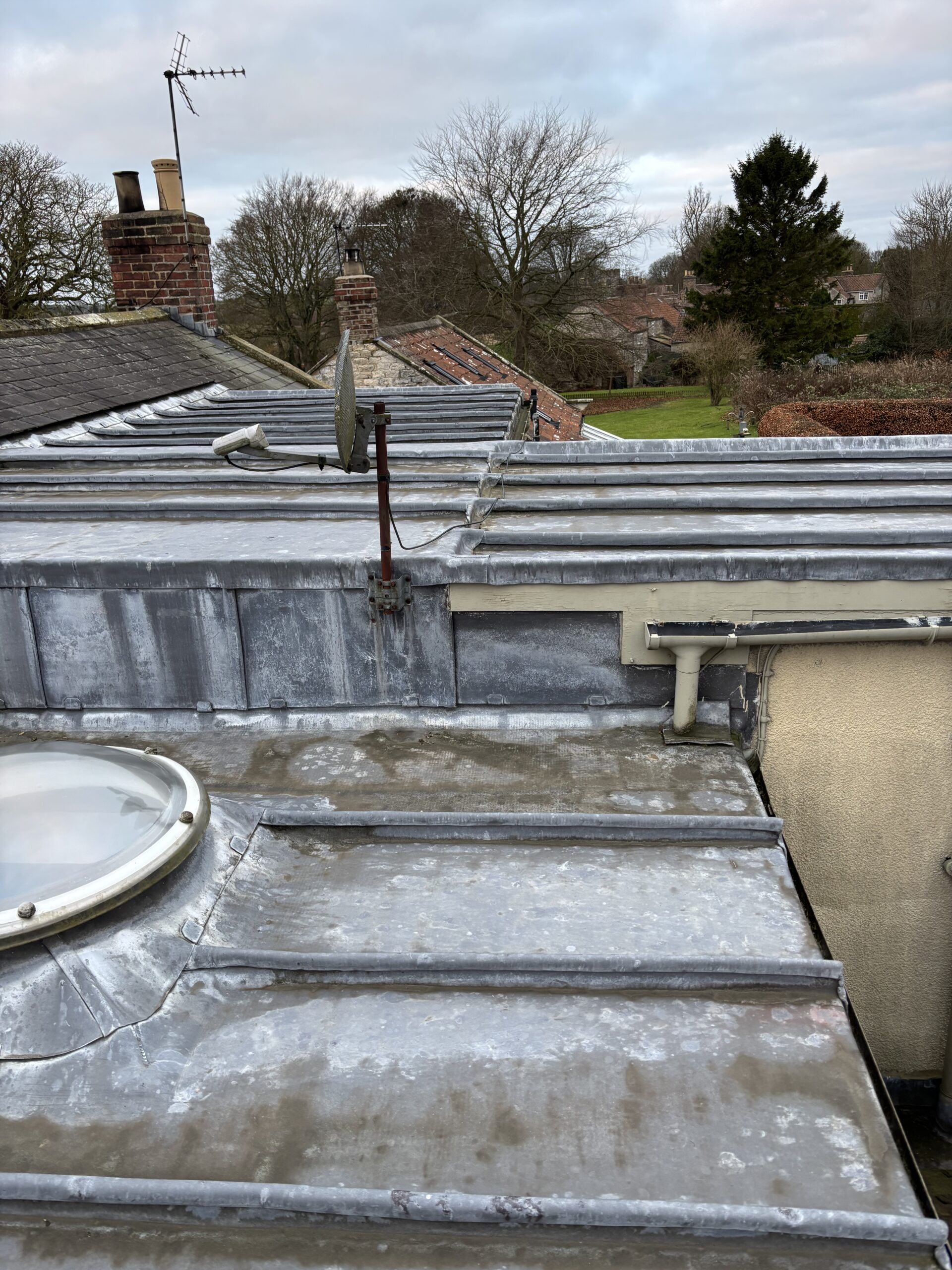
Condensation, damp decks, mould risk and trapped moisture beneath lead roof coverings.
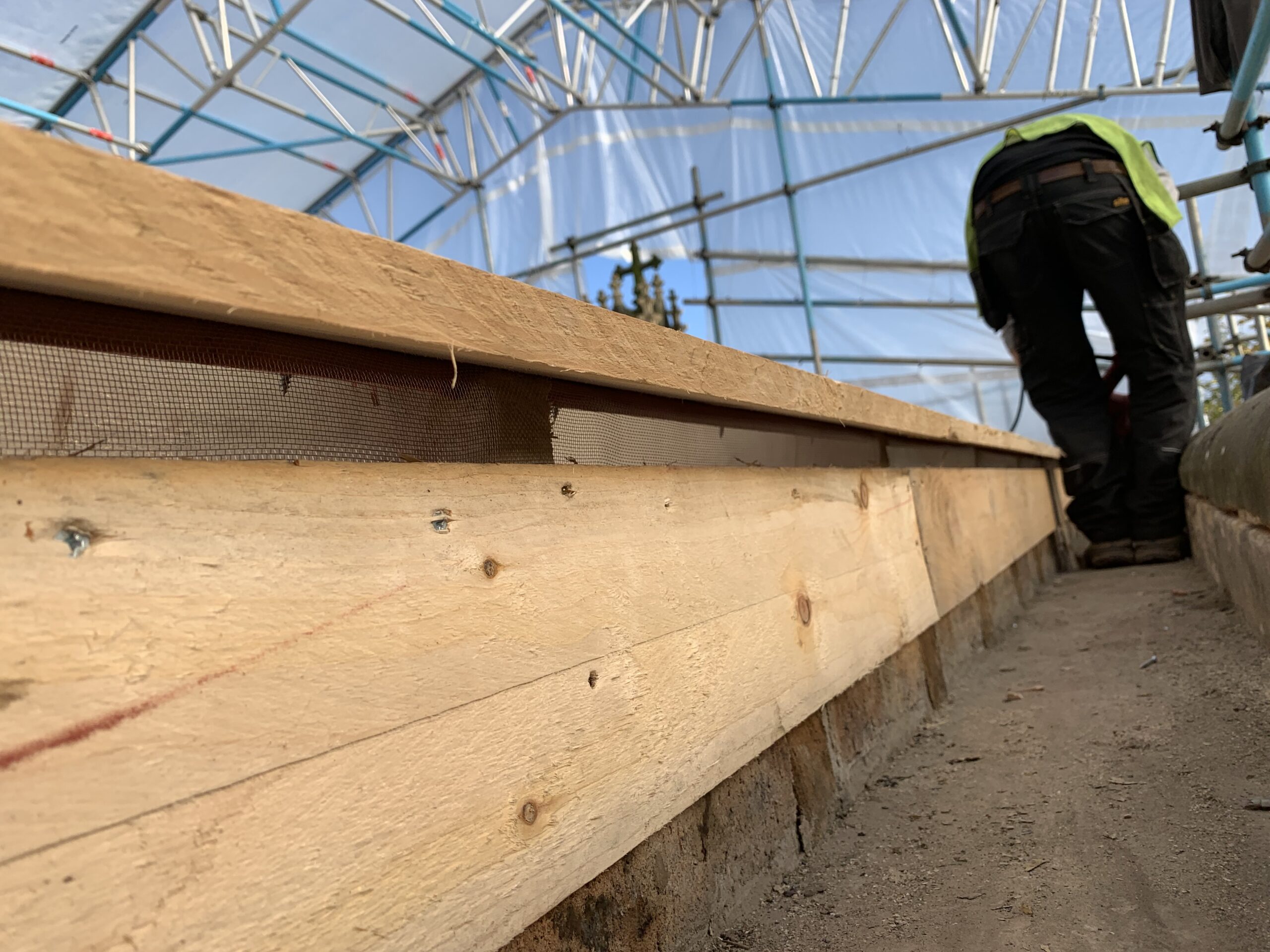
Cold roof ventilation must be continuous, balanced and unobstructed to reduce risk.

Independent moisture investigation, defect reporting and remedial specification support.
This page explains why condensation occurs beneath lead roofs, how moisture-related defects should be assessed and how failed roof build-ups relate to ventilation, vapour control, insulation, substrates and standards-led design.
If the issue involves condensation, damp timber, mould, poor ventilation, defective design or a contractor dispute, independent reporting may be appropriate.
Contact Strut Surveyors View Leadwork FailuresCondensation occurs when warm, moisture-laden air reaches a cold surface and water vapour turns into liquid water. In a lead roof build-up, this can happen beneath the lead covering, within the timber deck, inside a roof void or around insulation layers where moisture has not been controlled properly.
Lead itself is a durable external covering, but it is also relatively impermeable. This means the roof build-up beneath it must be carefully designed so moisture is controlled, ventilation is maintained where required, and vapour movement is managed sensibly.
Common causes of condensation beneath lead roofs include:
In a cold roof build-up, insulation usually sits below the deck, with a ventilated void above the insulation and below the external covering. If that void is missing, blocked or poorly connected to air inlets and outlets, moisture can accumulate.
Cold lead roofs can fail where ventilation is interrupted by insulation, timber noggins, poorly formed eaves, blocked airflow routes or later alterations that were not considered as part of the original roof design.
Warm roof construction can reduce condensation risk when designed correctly. In a warm build-up, insulation is placed above the structural deck, helping keep the deck warmer. However, the vapour control layer must be correctly located, sealed and continuous.
If the vapour control layer is missing, punctured, poorly lapped or incorrectly positioned, warm internal moisture can still migrate into the build-up and condense where it reaches colder layers.
Lead roof coverings depend on a stable, dry and suitable substrate. If the deck is damp at the time of installation, or if moisture becomes trapped beneath the lead, the roof can suffer from timber decay, mould, staining, distortion or hidden deterioration.
Moisture trapped beneath leadwork may not always show immediately. It can develop slowly and may only become visible once staining, softness, smells, internal dampness or localised deck failure appears.
Condensation beneath a lead roof can sometimes look like rainwater ingress. Staining, dripping, damp ceilings and mould may all be assumed to come from an external leak. In reality, the source may be moisture generated inside the building and trapped within the roof structure.
This distinction matters. Repairing the external leadwork alone may not solve the issue if the true cause is poor ventilation, missing vapour control or an inappropriate insulation strategy.
Condensation risk should be assessed in relation to the wider roof build-up. BS 6229 substrate principles are relevant where flat roof performance, drainage, insulation and moisture control need proper coordination.
BS 5250 is also relevant where condensation risk, ventilation and moisture management need to be considered. Together with BS 6915, these references help inform the difference between a leadwork problem and a wider roof build-up problem.
Lead roof condensation should be considered in relation to recognised roof design and workmanship principles. Useful references include:
Where condensation is disputed, recurring, linked to a recent installation or connected to internal damage, independent inspection may be sensible before remedial works are agreed.
Strut Building Surveyors can assist with roofing defect inspections, condensation investigations, lead roof moisture reports and remedial specification support where professional reporting is required.
Request Independent Inspection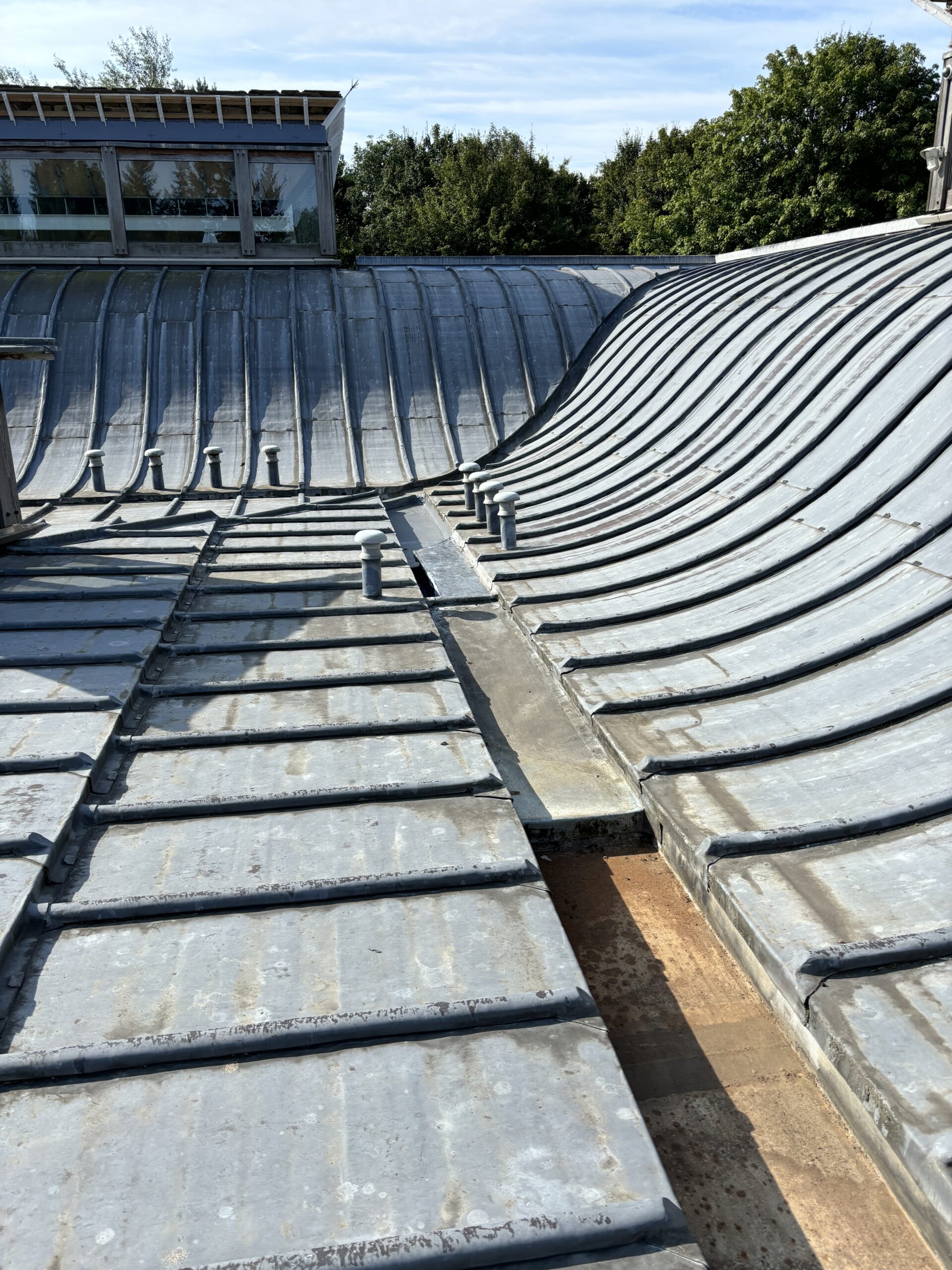
Blocked ventilation and unventilated voids can lead to condensation beneath lead roofs.
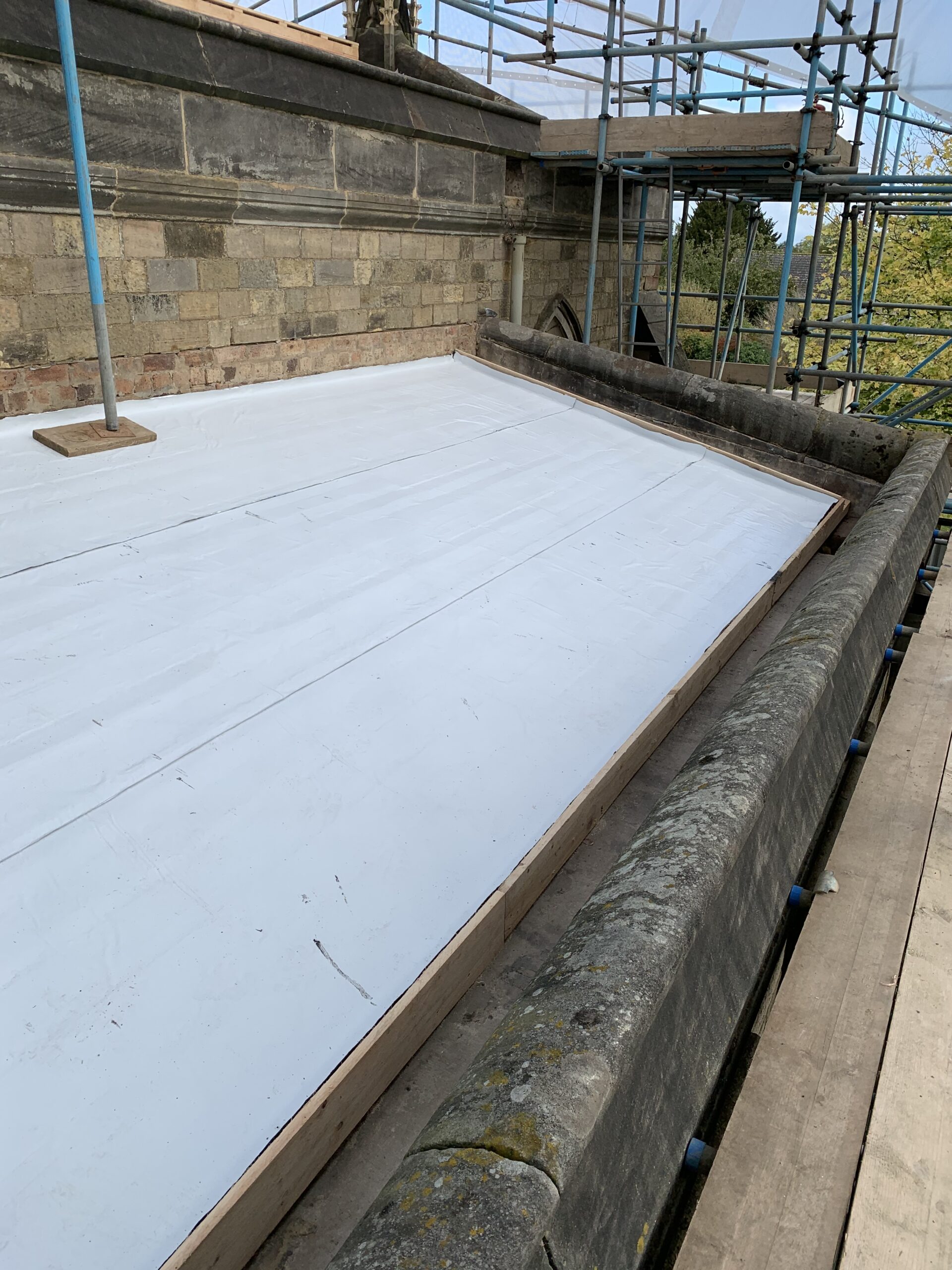
Missing or poorly sealed vapour control can allow moisture into the roof build-up.
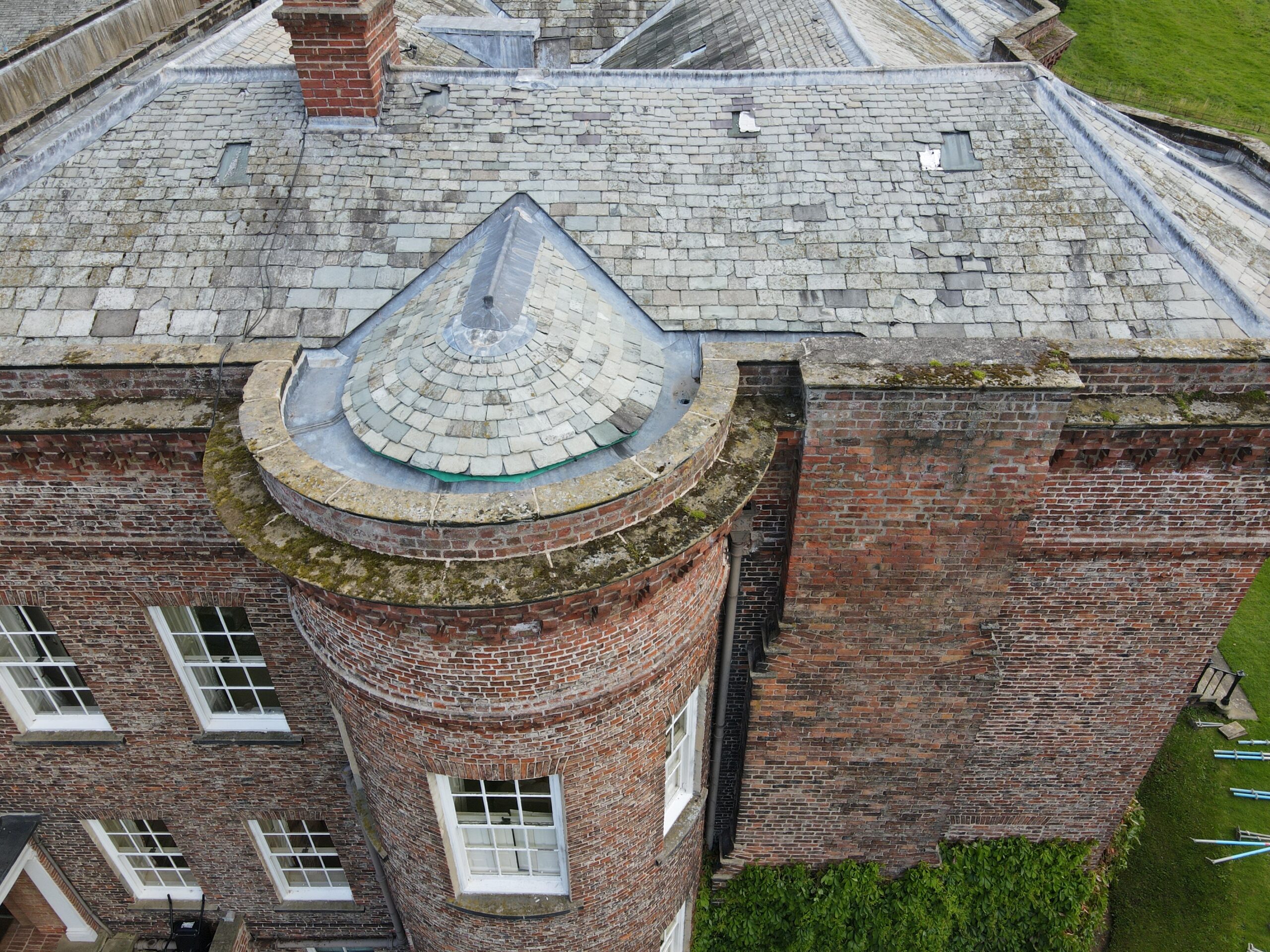
Independent reporting can distinguish roof leaks from condensation and build-up defects.
Use the guide links below as a technical index. Some pages may be developed as the failure library expands.
Lead roof condensation can require different levels of investigation depending on severity, access, internal damage, dispute status and whether the issue is caused by rainwater ingress or moisture generated within the building.
Condensation beneath a lead roof is commonly caused by poor ventilation, missing or defective vapour control, incorrect insulation placement, damp substrates or a roof build-up that does not manage moisture properly.
No. Condensation can look like a roof leak, but the moisture may come from inside the building rather than from rainwater ingress. Proper inspection is needed to distinguish between external leakage and internal moisture accumulation.
Yes. Traditional cold roof build-ups usually require continuous and effective ventilation above the insulation and below the deck or covering. Blocked or inadequate ventilation can significantly increase condensation risk.
Warm roof construction can reduce condensation risk when designed correctly, but the vapour control layer, insulation position and supporting deck must be properly specified and installed.
Relevant references include BS 6229 for flat roof substrate and moisture principles, BS 5250 for condensation and moisture management, BS 6915 for leadwork design and LSTA guidance for practical detailing.
A specialist contractor can advise on remedial options, but where independence, moisture diagnosis or formal reporting is needed, a building surveyor or roofing defect specialist such as Strut Building Surveyors may be appropriate.

The Lead Lads ® Lead Roof Guide Summer Maintenance Summer Lead Roof Maintenance Guide Summer [...]
Latest News The Lead Lads® Launch UK Franchise Model A controlled expansion designed to professionalise [...]
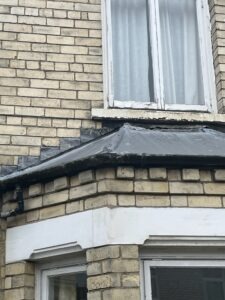
The Lead Lads ® Lead Roof Guide Spring Inspection Spring Lead Roof Inspections — How [...]
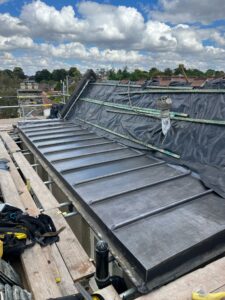
#Proper Leadwork: Lead Ventilation & Condensation—Warm vs Cold Roof Strategies Interstitial condensation is one of [...]
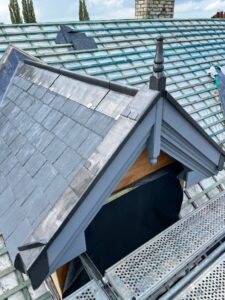
#Proper Leadwork: Edge-to-Edge Detailing—Ridges, Verges & Abutments without Stress Ridges and verges frame the roofline. [...]
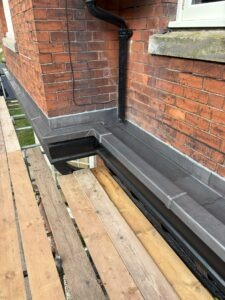
#Proper Leadwork (2026): Upstands & Drips—Heights, Throatings & Edge Geometry Welcome to the New Year [...]

#Proper Leadwork: Lead Soakers—Sizing, Gauges & Interfaces with Slate and Tile Discreet but essential, lead [...]
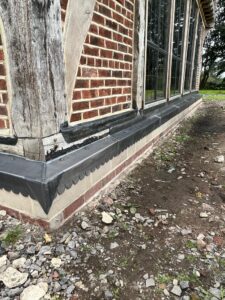
#Proper Leadwork: Cornices, Cappings & Cills—Fixing to Masonry without Cracks Beautiful façades deserve durable lead [...]
Understanding condensation is part of understanding proper lead roof design. Moisture-related defects often reveal where ventilation, vapour control, insulation, substrate condition or build-up design has not been properly considered.
The Lead Lads provide specialist leadwork services. Where an independent report, defect diagnosis or remedial specification is required before works are instructed, clients may also wish to contact Strut Building Surveyors.
Contact The Lead Lads Contact Strut Surveyors