The Lead Lads
Roof Leaks Around Chimneys
Technical guidance on leaking chimneys, failed lead flashings, defective soakers, chimney back gutters, water ingress and damp chimney breasts.


Technical guidance on leaking chimneys, failed lead flashings, defective soakers, chimney back gutters, water ingress and damp chimney breasts.
Chimneys are one of the most common locations for roof leaks. They interrupt the roof covering, create several vulnerable junctions and rely on multiple weathering details working together.
This guide explains the common causes of leaks around chimneys, including failed lead flashings, defective soakers, poor chimney back gutters, cracked mortar, open masonry joints, poor cover, bad previous repairs and hidden water routes.
The aim is to help homeowners, contractors, surveyors, architects and professional advisers understand why chimney leaks happen, how they should be investigated and when independent reporting or remedial specification may be appropriate.
Where independent diagnosis, defect reporting or remedial specification is required, clients may also wish to contact Strut Building Surveyors for professional inspection and reporting support.
Request Independent Review
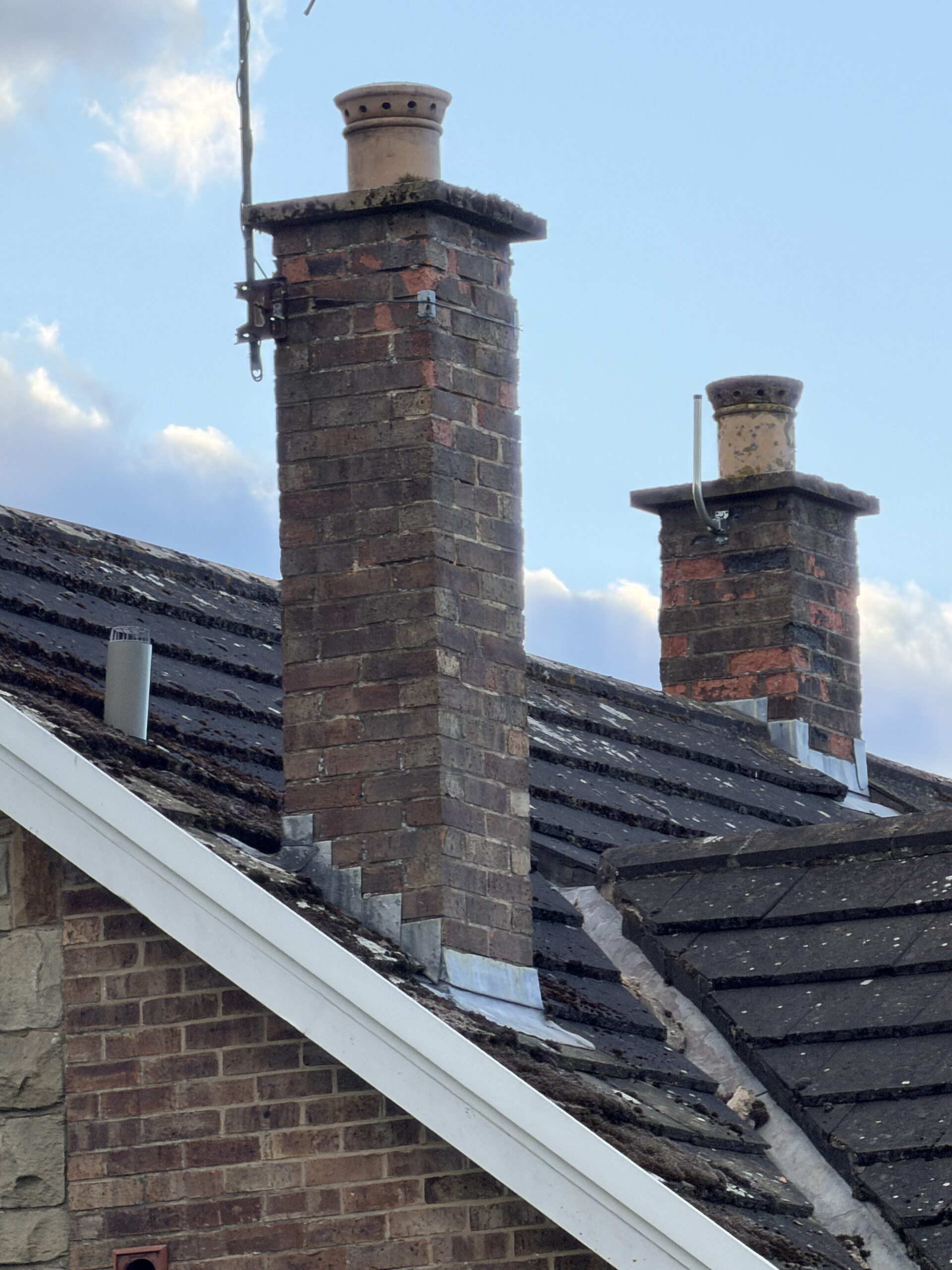
Water ingress around chimney stacks, flashings, soakers, back gutters and abutments.
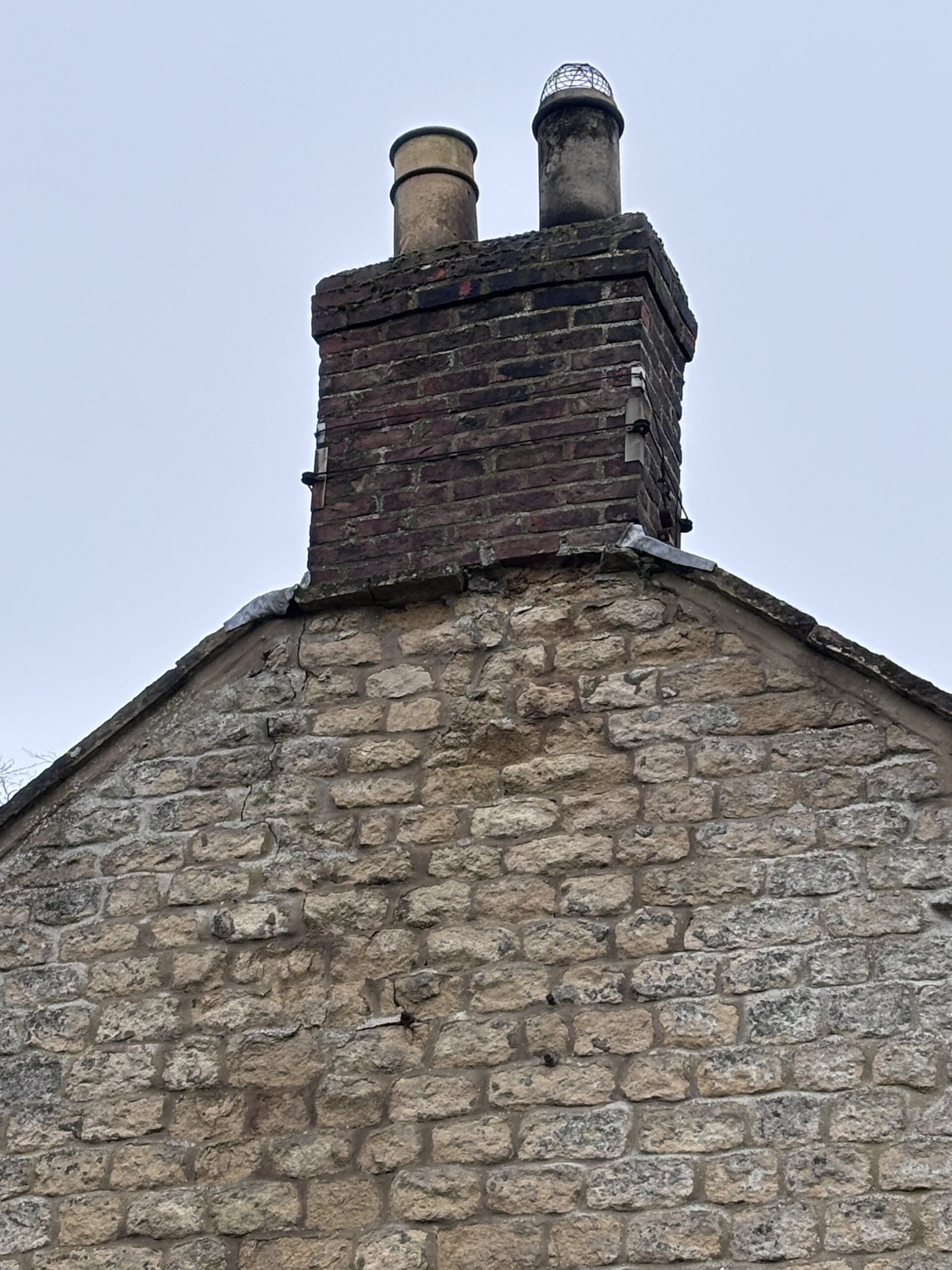
Defective soakers, failed back gutters and concealed water routes can be difficult to diagnose.
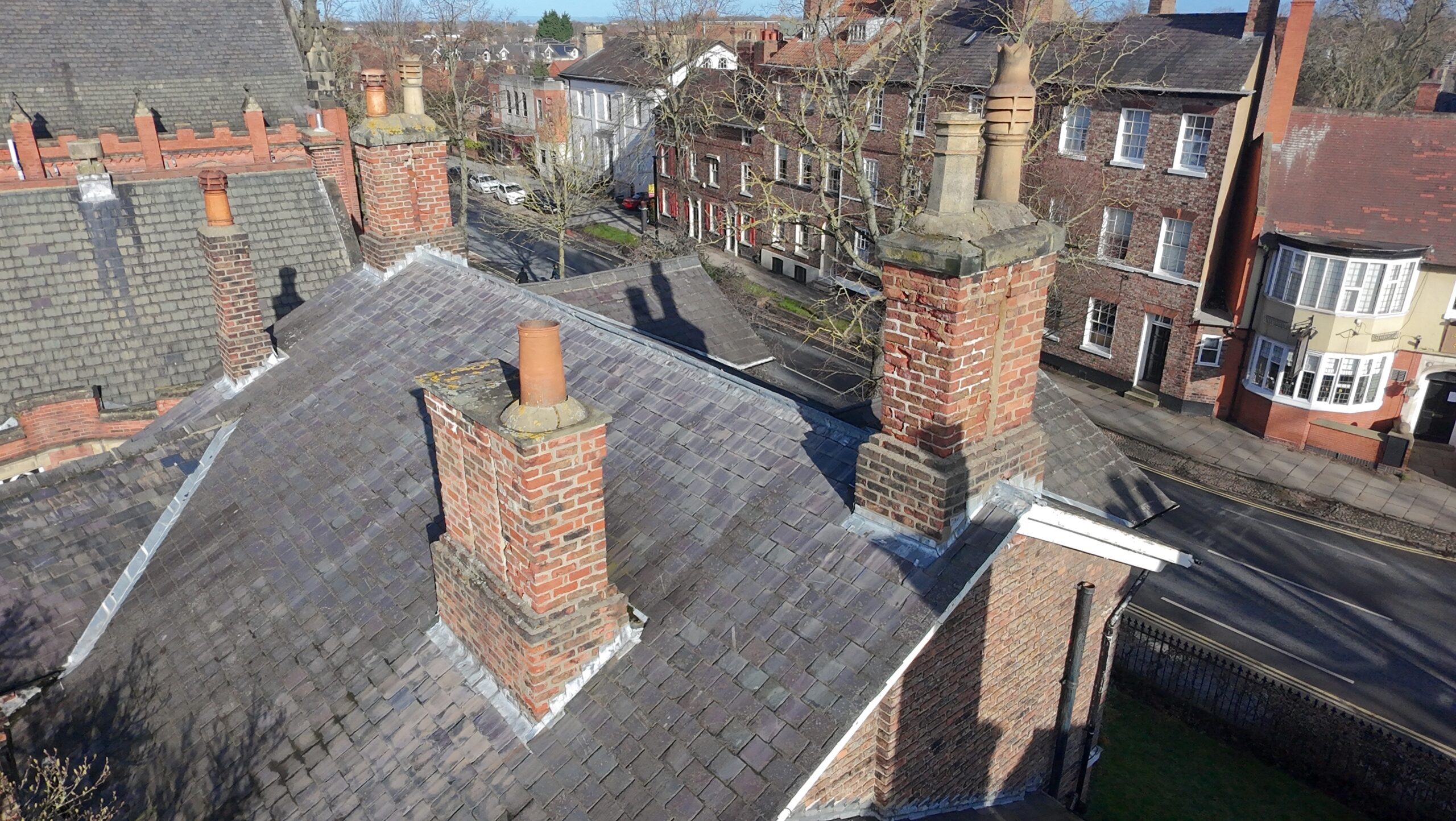
Independent inspection, moisture assessment and remedial specification support where needed.
This page explains why roofs leak around chimneys, how chimney water ingress should be assessed and how chimney defects relate to flashings, soakers, back gutters, masonry condition, roof coverings and workmanship.
If the issue involves water ingress, damp staining, poor workmanship, repeated repairs or a contractor dispute, independent reporting may be appropriate.
Contact Strut Surveyors View Leadwork FailuresRoof leaks around chimneys usually occur because a chimney stack creates several difficult junctions in one small area. Water must be directed around the front, sides and rear of the stack while also being kept out of the masonry, roof covering and roof void.
Common causes of chimney-related roof leaks include:
A chimney flashing package should normally include more than one visible piece of lead. Depending on the roof and stack layout, it may include apron flashings, side flashings, stepped cover flashings, soakers and a back gutter.
If one part of the package is poorly formed, water can enter behind the leadwork or track beneath the roof covering. This is why chimney leaks can continue even after a visible flashing has been patched or sealed.
For wider guidance on defective flashing details, see our page on lead flashing failures.
Lead soakers are often hidden beneath slates or tiles where the roof covering meets the side of a chimney or wall. Because they are concealed, missing or poorly formed soakers can be difficult to spot from ground level.
Soaker defects may include insufficient length, poor upstand height, inadequate laps, incorrect integration with tiles or slates, corrosion, displacement or complete omission. In some cases, the visible cover flashing is only hiding the real failure beneath.
The rear of a chimney stack is a high-risk location because rainwater running down the roof slope can collect behind the obstruction. A properly formed chimney back gutter should collect that water and direct it safely around the stack.
Back gutter failure may occur where the gutter is undersized, poorly lapped, blocked with debris, incorrectly pitched, badly dressed, missing stop ends or formed without sufficient consideration of water volume and discharge routes.
Not every chimney leak is caused by leadwork. Chimney stacks are exposed to wind, rain, frost and thermal change. Over time, mortar can crack, pointing can fail, bricks can spall and open joints can allow water to enter the stack itself.
Where masonry defects are present, replacing the flashings alone may not solve the problem. The chimney may also require repointing, brickwork repair, flaunching repairs, cowl checks or wider masonry investigation.
Water does not always appear directly below the defect. It can track along rafters, battens, underlays, masonry, plasterboard or insulation before becoming visible internally. Damp staining on a chimney breast, ceiling or wall may therefore be some distance away from the original water entry point.
Diagnosis may require roof access, close inspection, moisture assessment, lifting local roof coverings or reviewing the relationship between masonry, flashings, soakers, underlay and roof structure.
Chimney leaks should be assessed in relation to relevant technical guidance and workmanship principles. Useful references include:
Where a chimney leak is recurring, disputed, causing internal damage or connected to recent roofing work, independent inspection may be sensible before repairs are agreed.
Strut Building Surveyors can assist with roofing defect inspections, chimney leak investigations, moisture assessment, leadwork failure reports and remedial specification support where professional reporting is required.
Request Independent Inspection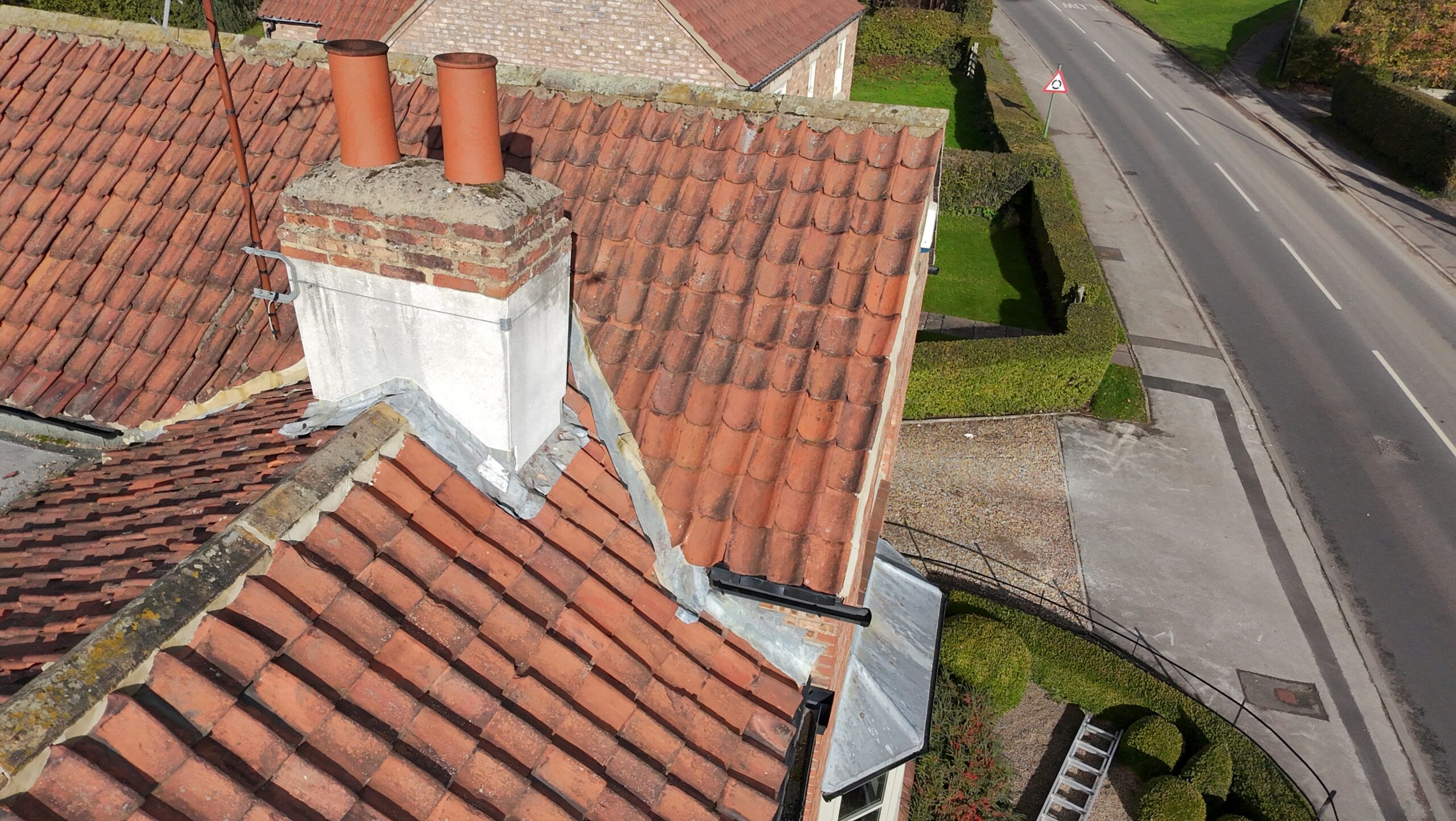
Failed aprons, side flashings and stepped cover flashings are common chimney leak causes.

Poorly formed rear gutters can allow water to collect and track behind the chimney stack.

Independent reporting can identify whether the leak relates to leadwork, masonry or roof coverings.
Use the guide links below as a technical index. Some pages may be developed as the failure library expands.
Chimney leaks may require different levels of investigation depending on severity, access, internal damage, recurrence, recent works and whether the suspected defect relates to leadwork, masonry or the roof covering.
Roof leaks around chimneys may be caused by failed lead flashings, defective soakers, a failed chimney back gutter, cracked masonry, open mortar joints, damaged roof coverings or poor previous repairs.
No. Lead flashing failure is common, but chimney leaks can also be caused by masonry defects, failed pointing, porous brickwork, flaunching defects, roof covering problems or blocked back gutters.
Chimney soakers are individual pieces of lead installed beneath slate or tile coverings at the side of a chimney or abutment. They help protect the hidden junction beneath the visible cover flashing.
A chimney back gutter is a weathering detail formed behind a chimney stack to collect rainwater from the roof slope and direct it around the obstruction rather than allowing it to collect behind the chimney.
Some chimney leaks can be repaired locally, but recurring leaks, missing soakers, failed back gutters, poor masonry or defective original detailing may require more comprehensive remedial work.
A specialist leadwork contractor can advise on practical repair or replacement. Where independence, water ingress investigation or formal reporting is required, a building surveyor or roofing defect specialist such as Strut Building Surveyors may be appropriate.

The Lead Lads ® Lead Roof Guide Summer Maintenance Summer Lead Roof Maintenance Guide Summer [...]
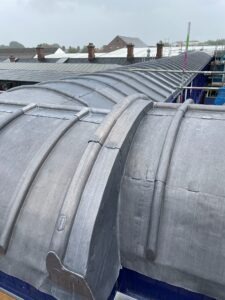
Latest News The Lead Lads® Launch UK Franchise Model A controlled expansion designed to professionalise [...]
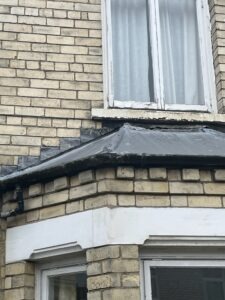
The Lead Lads ® Lead Roof Guide Spring Inspection Spring Lead Roof Inspections — How [...]
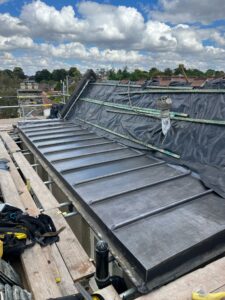
#Proper Leadwork: Lead Ventilation & Condensation—Warm vs Cold Roof Strategies Interstitial condensation is one of [...]
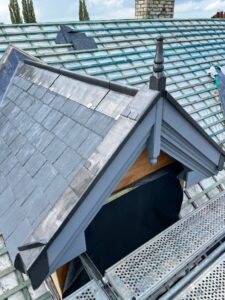
#Proper Leadwork: Edge-to-Edge Detailing—Ridges, Verges & Abutments without Stress Ridges and verges frame the roofline. [...]
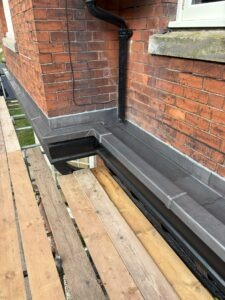
#Proper Leadwork (2026): Upstands & Drips—Heights, Throatings & Edge Geometry Welcome to the New Year [...]

#Proper Leadwork: Lead Soakers—Sizing, Gauges & Interfaces with Slate and Tile Discreet but essential, lead [...]
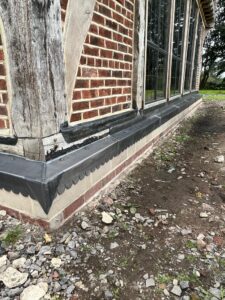
#Proper Leadwork: Cornices, Cappings & Cills—Fixing to Masonry without Cracks Beautiful façades deserve durable lead [...]
Understanding chimney leaks is part of understanding proper leadwork. Water ingress around a chimney often reveals where flashings, soakers, back gutters, masonry or workmanship have not been properly considered.
The Lead Lads provide specialist chimney leadwork and wider leadwork services. Where an independent report, defect diagnosis or remedial specification is required before works are instructed, clients may also wish to contact Strut Building Surveyors.
Contact The Lead Lads Contact Strut Surveyors