The Lead Lads
Lead Flashing Failures
Technical guidance on leaking lead flashings, failed chimney flashings, poor chases, defective soakers, cracked pointing and incorrect roof interface details.


Technical guidance on leaking lead flashings, failed chimney flashings, poor chases, defective soakers, cracked pointing and incorrect roof interface details.
Lead flashing is one of the most important weathering details on a roof. It protects vulnerable junctions where roof coverings meet walls, chimneys, dormers, parapets and upstands. When these details fail, water can enter the building even if the surrounding roof covering is otherwise sound.
This guide explains the common causes of failed lead flashings, including leaking chimney flashings, poor mortar chases, failed soakers, inadequate cover, incorrect laps, loose wedges, cracked pointing and details that have not been formed to shed water correctly.
The aim is to help homeowners, contractors, surveyors, architects and professional advisers understand why lead flashings leak, how failures develop and when independent inspection or reporting may be appropriate.
Where independent diagnosis, defect reporting or remedial specification is required, clients may also wish to contact Strut Building Surveyors for professional inspection and reporting support.
Request Independent Review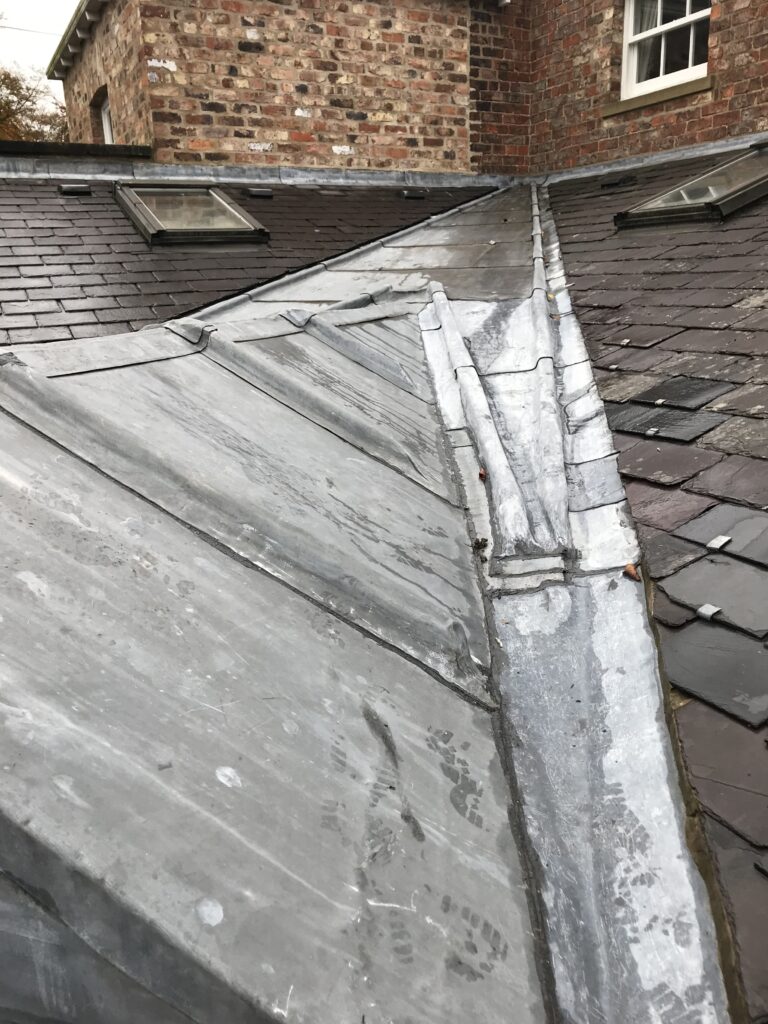
Water ingress around chimneys, abutments, parapets, side walls and roof junctions.
Poor chases, failed pointing, shallow cover, bad laps and incorrectly formed soakers.
Independent inspection, defect reports and remedial specification support where needed.
This page explains why lead flashings fail, how leaking roof junctions should be assessed and how failed flashing details relate to workmanship, standards, movement, masonry condition and water-shedding design.
If the issue involves water ingress, poor workmanship, a contractor dispute or suspected defective flashing installation, independent reporting may be appropriate.
Contact Strut Surveyors View Leadwork FailuresLead flashing failure is usually caused by poor detailing rather than the lead sheet itself. Flashings must be formed, fixed, chased, lapped and dressed so that water is directed safely away from vulnerable interfaces. If the detail is wrong, the roof can leak even where the surrounding tiles, slates or flat roof covering remain serviceable.
Common causes of failed lead flashing include:
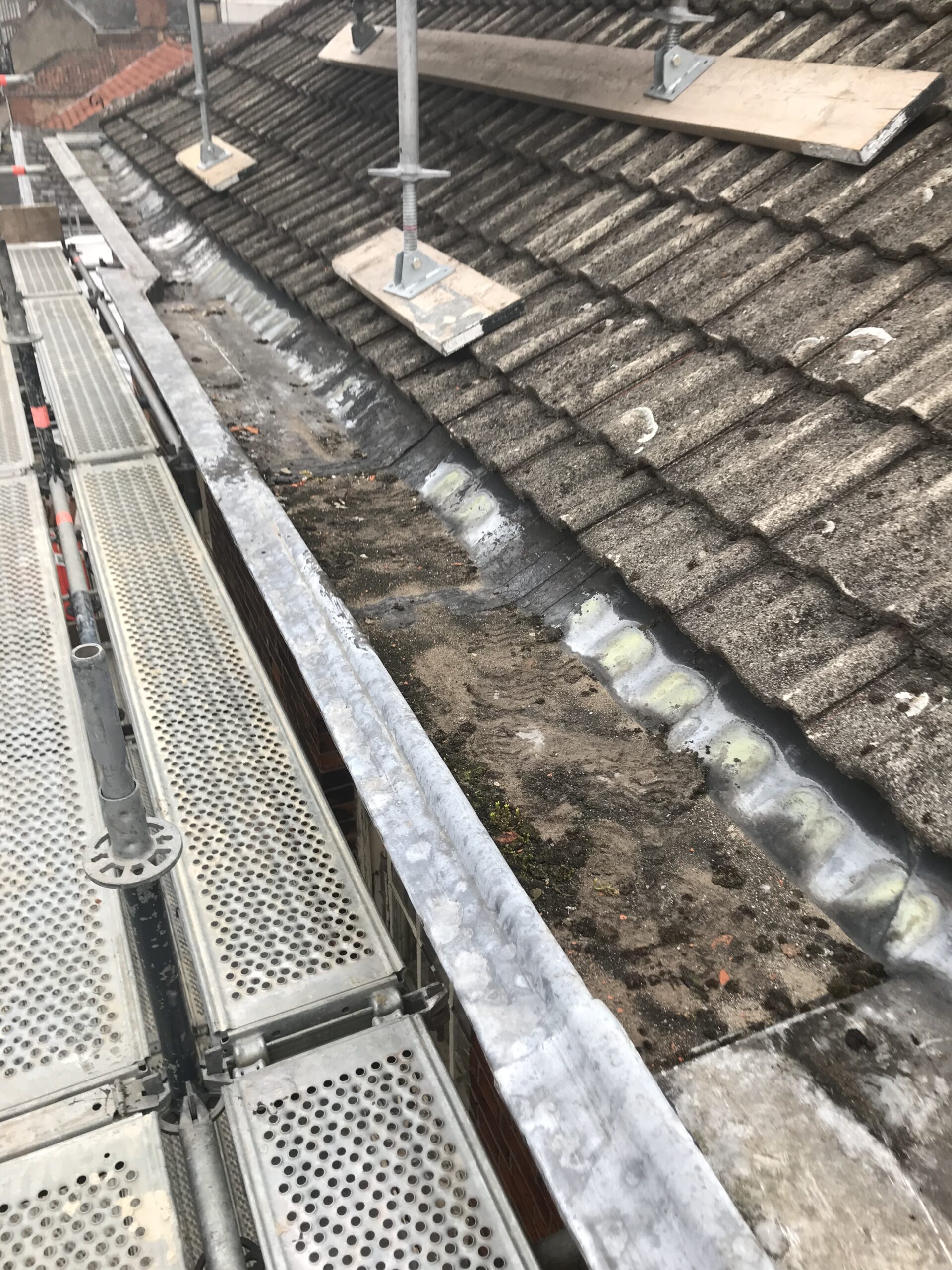
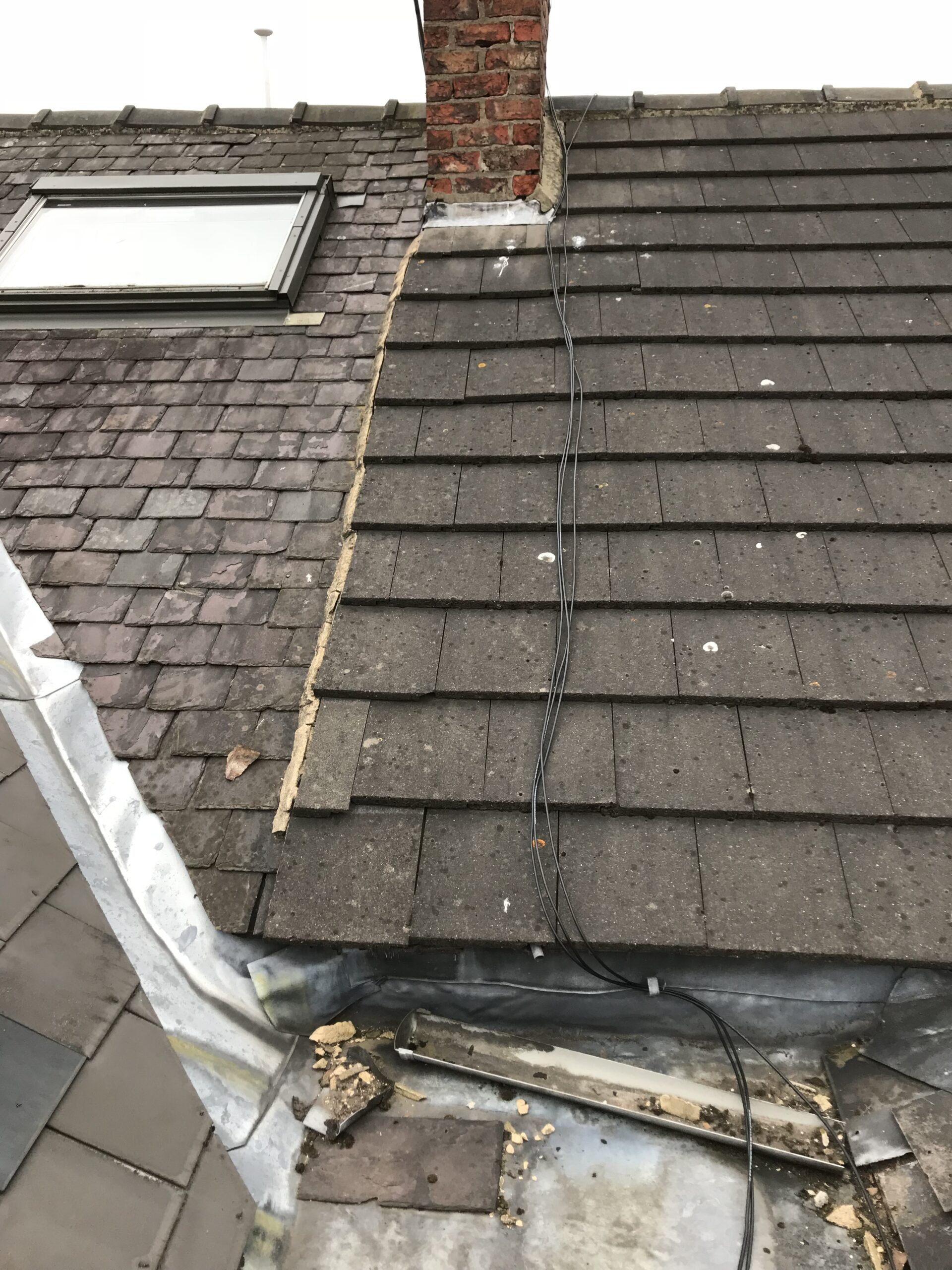
Chimneys are one of the most common locations for lead flashing failure. A complete chimney flashing package may include an apron flashing, side flashings, stepped cover flashings, soakers and a back gutter. If any one of these elements is poorly formed, water can enter the roof structure or masonry.
Typical chimney flashing defects include poor side laps, missing or badly formed soakers, failed back gutters, cracked mortar, open chases, shallow cover, poor apron dressing and details that send water toward the stack rather than around it.
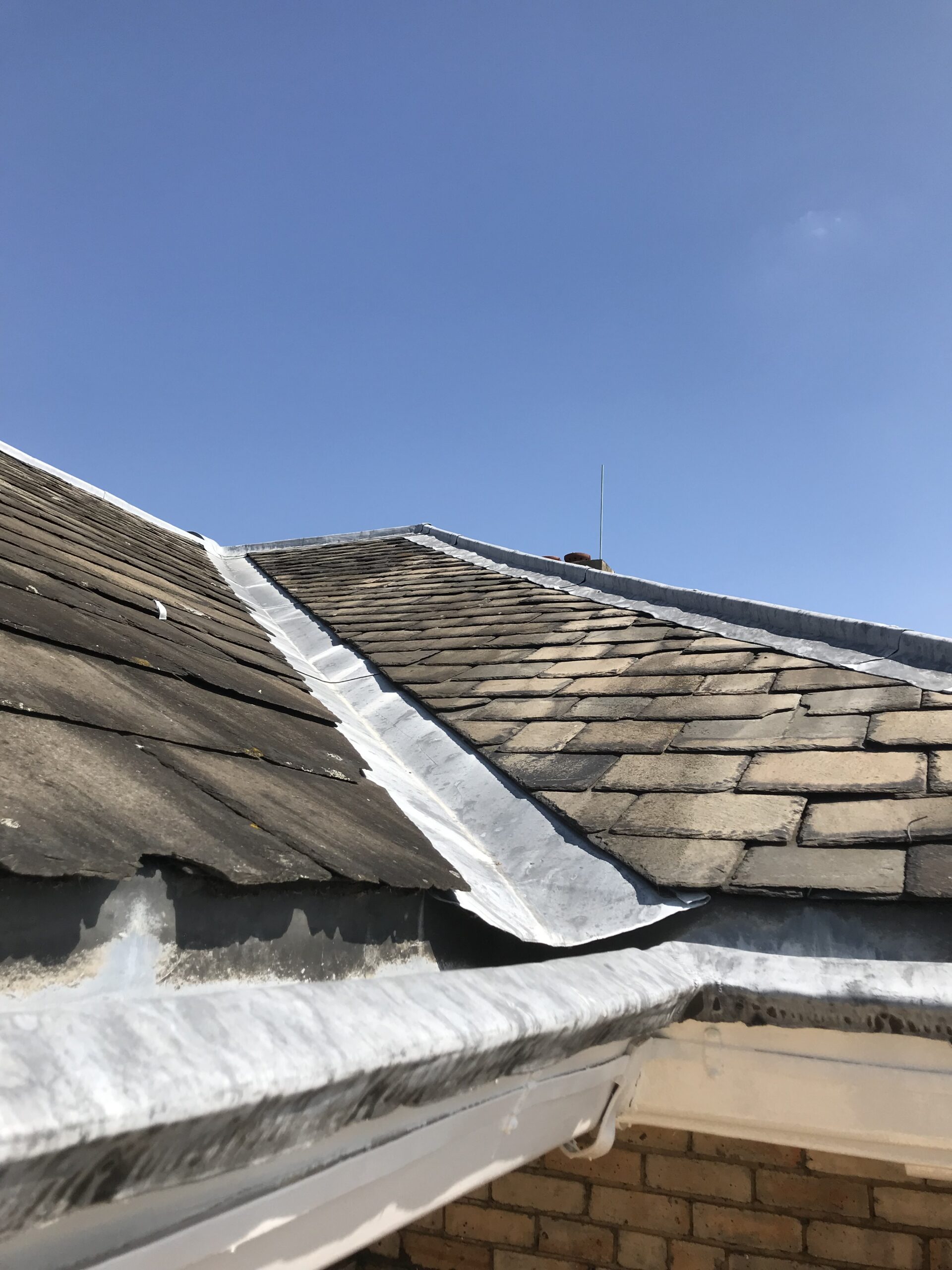
Where a pitched roof meets a wall, lead flashings and soakers must work together. The soakers deal with water beneath the covering, while cover flashings protect the junction from above. If the soakers are missing, too short, poorly lapped or incorrectly integrated, the visible cover flashing may not be enough to prevent leaks.
Abutment flashing failures can also occur where the chase has been cut through weak mortar, where pointing has failed, or where the flashing has been sealed superficially rather than properly wedged and pointed.
Lead expands and contracts with temperature change. If long lengths of flashing are fixed too tightly, trapped at both ends or dressed in a way that prevents movement, the lead can buckle, split, pull out of the chase or crack at stress points.
This is why BS 6915 and LSTA guidance matter. Flashings are not just strips of lead; they are movement-sensitive weathering details.
Some of the most important parts of a lead flashing detail are hidden beneath the roof covering. Soakers are individual pieces of lead installed beneath slates or tiles where the roof meets a wall or upstand. If the soakers are too short, poorly lapped, missing or incorrectly formed, the visible cover flashing may disguise the real defect.
Because soaker defects are often concealed, proper inspection may require lifting slates, tiles or flashings to understand the true cause of water ingress.
A common failure pattern is where lead has been loosely inserted into masonry and then sealed with mortar, mastic or surface sealant. These repairs may look acceptable for a short period, but they often fail because they do not provide a durable mechanical weathering detail.
Correctly formed lead flashing should normally be properly chased, wedged and pointed using appropriate methods. Sealant alone should not be relied upon to compensate for poor setting out or bad chase formation.
Lead flashing failures should be considered in relation to relevant technical guidance and workmanship principles. Useful references include:
Where a lead flashing failure is disputed, recurring, connected to damp ingress or part of a wider contractor issue, independent inspection may be sensible before remedial work is agreed.
Strut Building Surveyors can assist with roofing defect inspections, lead flashing failure reports, moisture investigations and remedial specification support where professional reporting is required.
Request Independent Inspection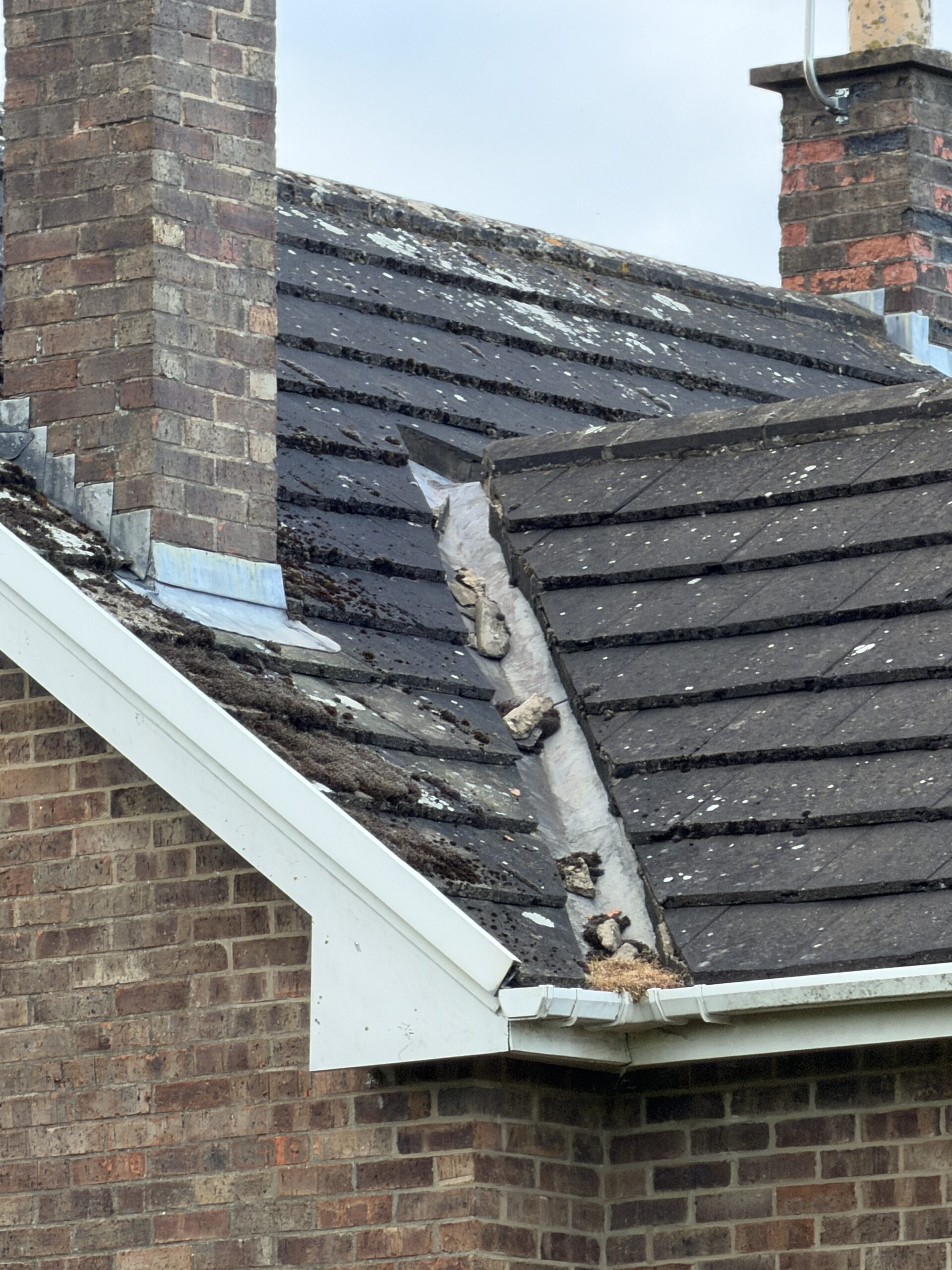
Failed aprons, stepped flashings, soakers and back gutters can all cause water ingress.
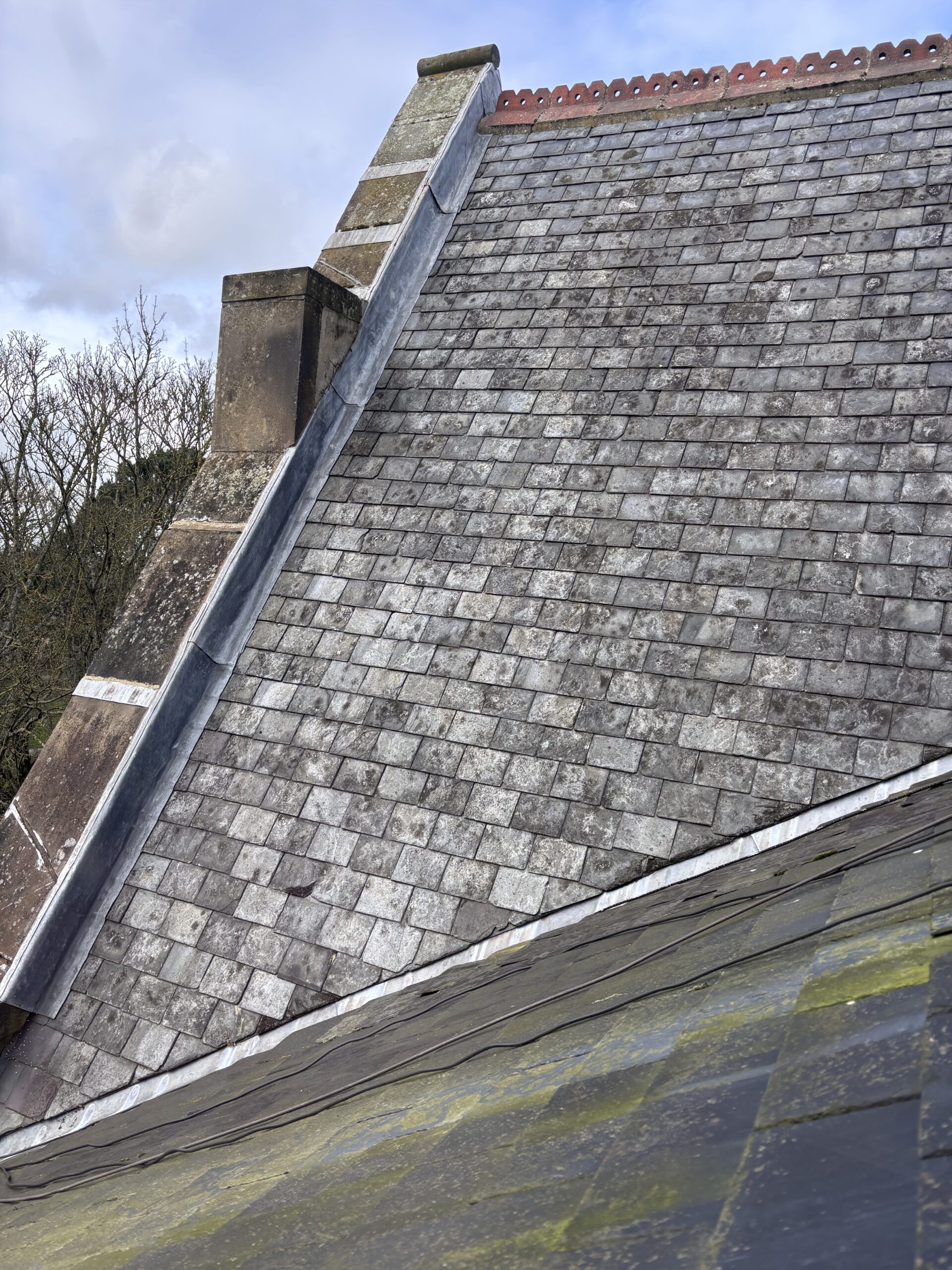
Poor soakers, shallow chases and failed cover flashings often cause abutment leaks.
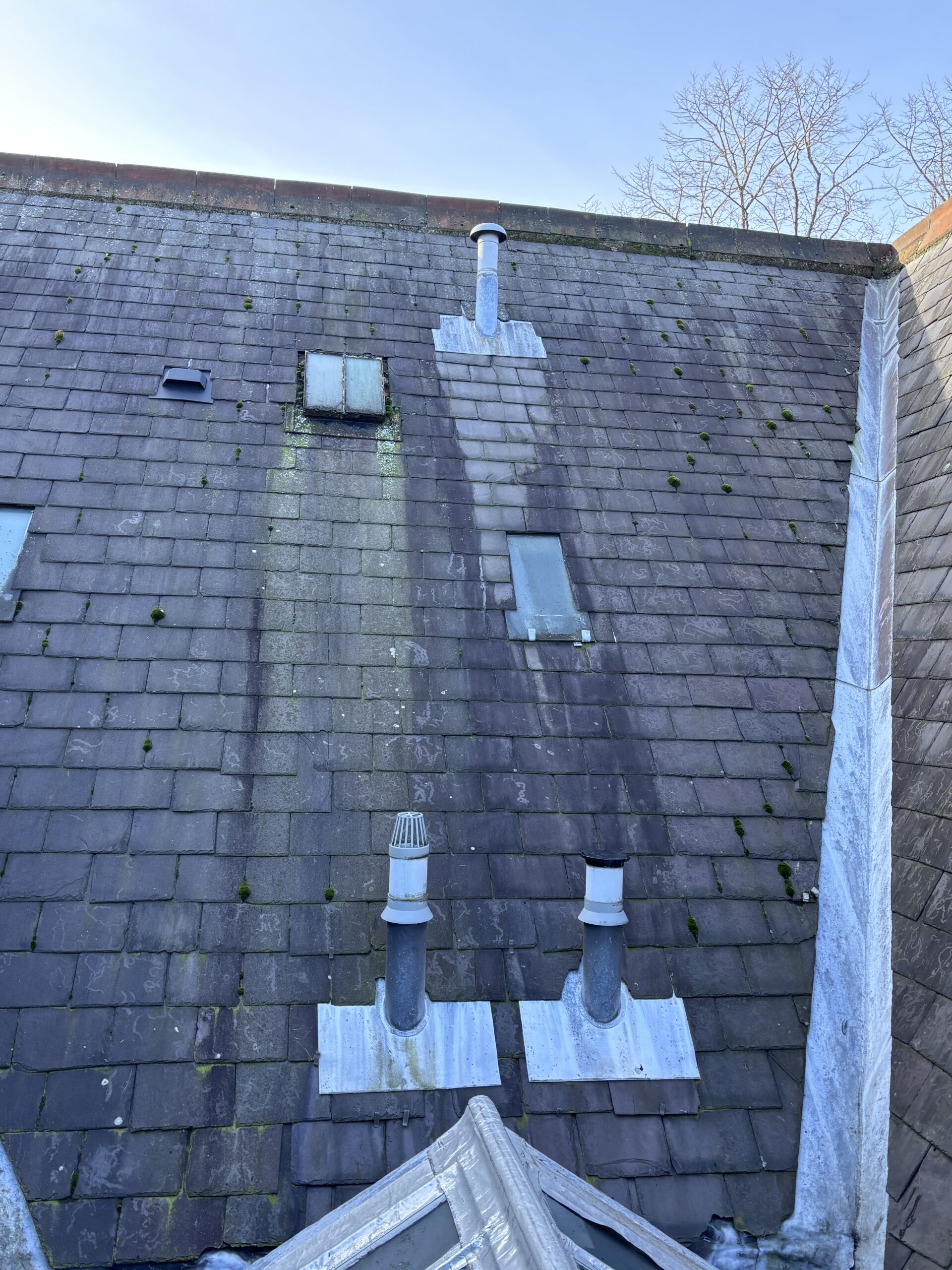
Independent reporting can identify cause, workmanship issues and remedial options.
Use the guide links below as a technical index. Some pages may be developed as the failure library expands.
Lead flashing failures may require different levels of investigation depending on severity, access, dispute status and whether the defect is visible or concealed. Some issues are obvious from photographs, while others require access, lifting work or moisture assessment.
Lead flashings usually fail because of poor chasing, failed pointing, incorrect laps, insufficient cover, missing or defective soakers, poor fixing, thermal movement restraint or bad previous repairs.
Chimney leaks may be caused by failed apron flashings, side flashings, stepped cover flashings, soakers, cracked masonry, defective pointing or a failed back gutter. The true cause may require close inspection.
Some lead flashing defects can be repaired, but poor original detailing, missing soakers, failed chases or badly formed chimney details may require proper replacement rather than surface sealant or patching.
Sealant may provide a short-term temporary measure in some cases, but it should not be relied on as a substitute for properly chased, wedged, lapped and detailed lead flashing.
Relevant guidance includes BS 6915 for leadwork design and installation, BS EN 12588 for rolled lead sheet material quality and LSTA guidance for practical flashing, soaker and abutment detailing.
A specialist leadwork contractor can advise on practical repair or replacement. Where independence, dispute support or formal reporting is required, a building surveyor or roofing defect specialist such as Strut Building Surveyors may be appropriate.

The Lead Lads ® Lead Roof Guide Summer Maintenance Summer Lead Roof Maintenance Guide Summer [...]
Latest News The Lead Lads® Launch UK Franchise Model A controlled expansion designed to professionalise [...]
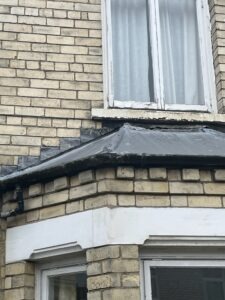
The Lead Lads ® Lead Roof Guide Spring Inspection Spring Lead Roof Inspections — How [...]
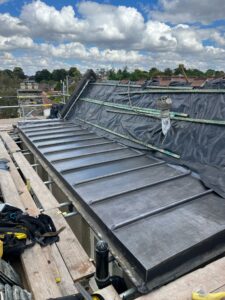
#Proper Leadwork: Lead Ventilation & Condensation—Warm vs Cold Roof Strategies Interstitial condensation is one of [...]
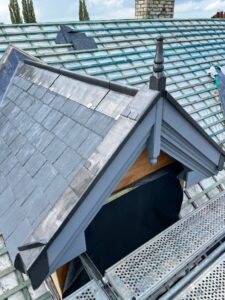
#Proper Leadwork: Edge-to-Edge Detailing—Ridges, Verges & Abutments without Stress Ridges and verges frame the roofline. [...]
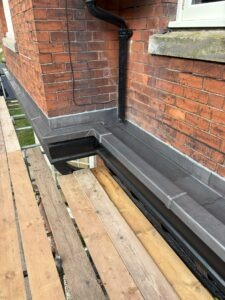
#Proper Leadwork (2026): Upstands & Drips—Heights, Throatings & Edge Geometry Welcome to the New Year [...]

#Proper Leadwork: Lead Soakers—Sizing, Gauges & Interfaces with Slate and Tile Discreet but essential, lead [...]
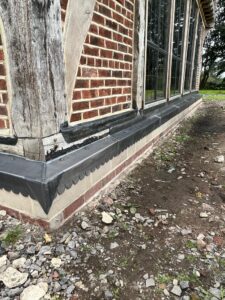
#Proper Leadwork: Cornices, Cappings & Cills—Fixing to Masonry without Cracks Beautiful façades deserve durable lead [...]
Understanding lead flashing failures is part of understanding proper leadwork. Failed flashings often reveal where movement, chases, laps, soakers, masonry condition or workmanship have not been properly considered.
The Lead Lads provide specialist leadwork services. Where an independent report, defect diagnosis or remedial specification is required before works are instructed, clients may also wish to contact Strut Building Surveyors.
Contact The Lead Lads Contact Strut Surveyors