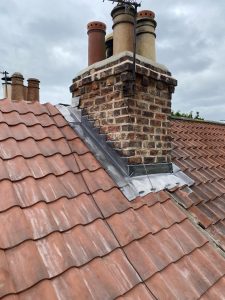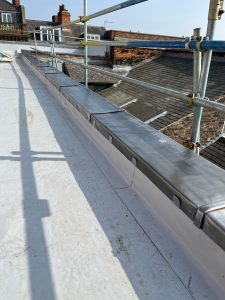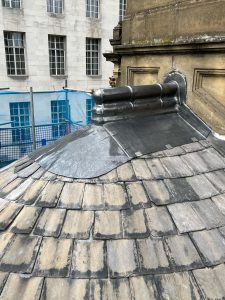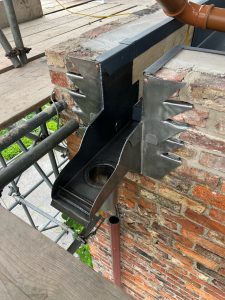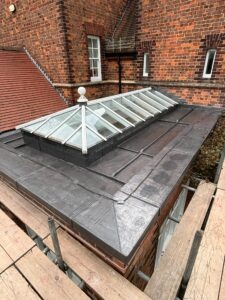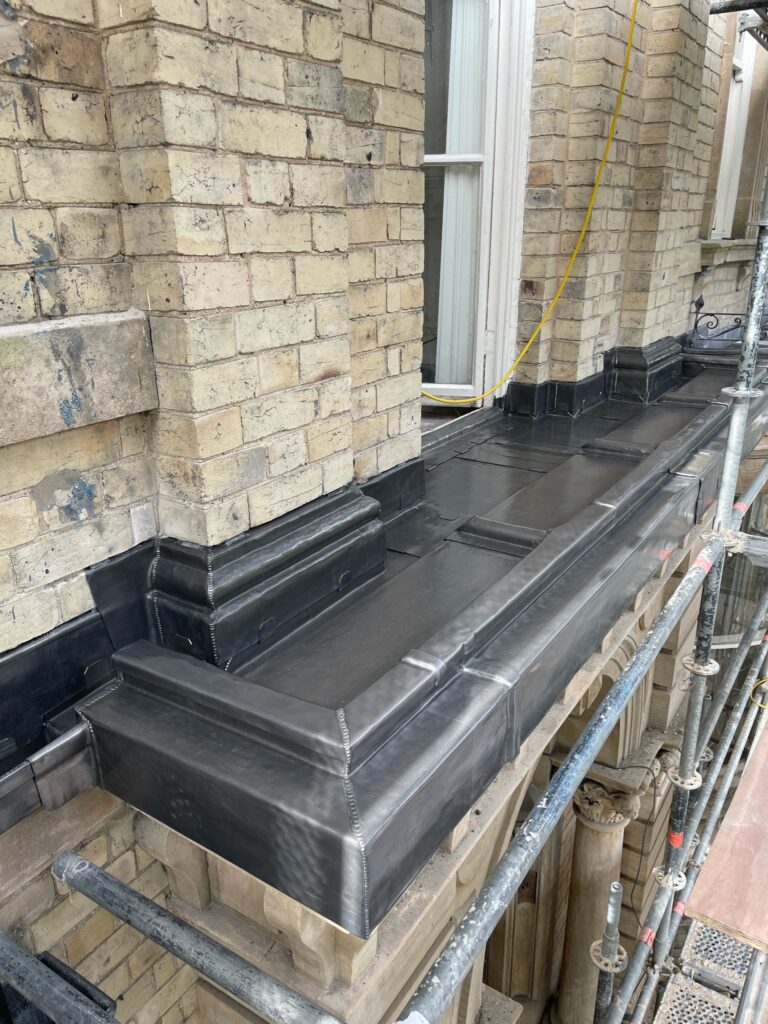

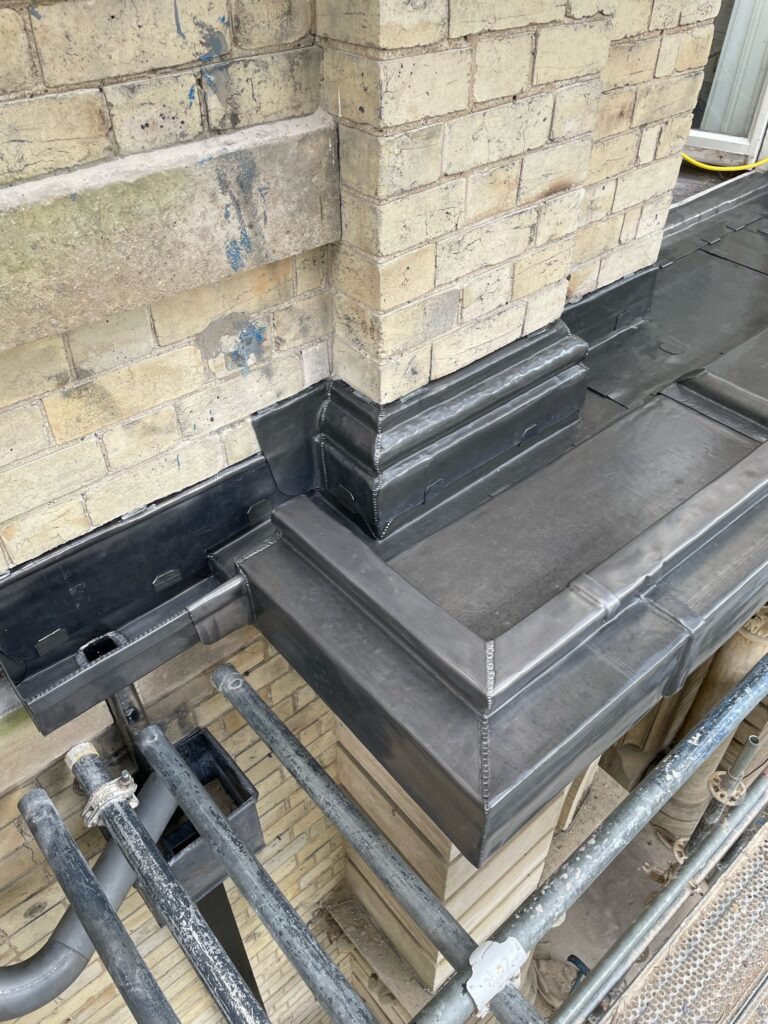



This lead balcony covering project was completed in around 7 days, excluding access setup.


The Lead Lads provide specialist leadwork services for balcony coverings, bay roofs, flashings, valleys, gutters and traditional roof details.
Rathbone House, formerly known as Moorlyn, is a distinguished Grade II listed Victorian property located at 292 Tadcaster Road in York. Built in the mid-19th century with later 20th-century alterations, the house reflects the architectural character and scale typical of substantial suburban residences from this period. Historic England recognises the building for its special architectural and historic interest, particularly its well-proportioned stone elevations, steeply pitched slate roof, prominent chimney stacks and symmetrical front façade.
One of the most notable features of Rathbone House is the pair of curved projecting bay windows positioned on either side of the main entrance. These elegant bays create a strong visual focus to the front elevation and are finished with distinctive curved lead-covered roofs, which require careful detailing and maintenance due to their shape and exposure. Combined with the central entrance porch, decorative balcony and dormer windows within the roof slope, these features give the property much of its character and contribute significantly to its listed status and overall architectural importance.
The lead covering to the stone balcony roof above the main entrance provides a waterproof barrier that protects the stone structure, decorative masonry and interior spaces below from water ingress. Proper detailing, including drips, upstands, welts and flashings around the brick piers, allows the lead to perform correctly and move naturally with temperature changes. On a Grade II listed building, this is especially important to prevent damage to the original historic fabric and preserve the building’s architectural character.
Before replacement, the old lead covering had failed through cracking, split joints, open laps, worn flashings or fatigue caused by movement and age. Common symptoms of failed balcony leadwork include water ingress, damp patches on ceilings and walls below, staining to stonework, moss growth and visible sagging or splits in the lead surface.
The lead covering likely failed due to age-related fatigue, poor detailing and restricted thermal movement. Cracking, split joints and failed flashings suggest the lead may have been over-fixed or installed with the wrong code, preventing natural expansion and contraction. Inadequate falls causing standing water, along with deterioration of the timber substrate beneath, would have increased stress on the covering and accelerated failure.
This project was completed using a standards-led approach focused on proper lead detailing, correct material selection and durable support beneath the finished covering.
The lead balcony covering was replaced in line with BS EN 12588 and LSTA guidance using the correct lead code, typically Code 5 for this type of detail. The substrate must be dry, smooth and fully supported, with the new lead installed using correct drips, laps, upstands and fixings that allow for thermal movement and long-term durability.
Contact us about leadwork More leadwork resources and guides The Leadwork LinkCarefully protect the stone balcony, entrance area, windows and surrounding masonry before works begin.
Record the existing lead layout, falls, drips, laps, upstands and junction details before removal.
Remove any loose fixings, sealants, mortar pointing and flashings without damaging the historic stonework.
Strip the old lead covering in manageable sections, taking care around edges, corners and abutments.
Inspect the exposed substrate for rot, damp, corrosion staining, poor support or defects before preparing for new leadwork.
Remove any defective timber decking or failed support materials and replace with sound, treated timber construction.
Install a minimum 18mm exterior-grade timber deck to provide a smooth, rigid and fully supported substrate.
Lay suitable underlay, such as building paper to BS 1521 Class A, to isolate the lead from the substrate and allow thermal movement.
Form correct falls, drips and edge support to prevent standing water and ensure proper drainage from the balcony roof.
Set out the new Code 5 lead bays, gutter runs, rolls, outlets, laps and perimeter details to suit the balcony layout.
Fit Code 5 lead gutter linings with correct falls, drips and T-Pren expansion joints to allow movement.
Form and dress Code 5 lead bays over the prepared substrate, incorporating wood roll details between bays.
Install Code 5 lead flashings to all abutments, dressed into chases and sealed with Lead Mate sealant.
Fit perimeter welted capping to the balcony edges, ensuring secure clipping and allowance for movement.
Form the cornice leadwork with a clean drip edge detail to shed water clear of the stone face.
Form new lead outlets to discharge water correctly from the gutter linings.
Connect new downpipes to the outlets, checking alignment, falls and watertight junctions.
Apply patination oil to all new leadwork immediately after installation to reduce staining and improve appearance.
Check all joints, flashings, outlets and sealants to ensure the covering is fully watertight and correctly finished.
Protect the completed leadwork from foot traffic and following trades to prevent damage to the finished surface.
This project used a straightforward but important group of materials, each chosen for a clear purpose within the balcony roof build-up.
If you are trying to understand which code of lead is right for a similar detail, our shoppable lead chart is a useful starting point. For broader product learning, see The Lead Handbook and our lead roofing guides.
The Lead & Materials Used By Us 🛒 Lead Weight Calculator
This project shows how important correctly detailed leadwork is on a stone balcony, particularly on a Grade II listed building where both performance and appearance matter. Balcony coverings are exposed to concentrated rainfall and sit directly above entrances and occupied spaces, so failure can quickly lead to water ingress, staining and damage to historic masonry. Proper falls, drips, upstands, flashings and outlets are essential to ensure water is removed efficiently and does not sit on the surface or penetrate surrounding stonework.
It also highlights the need to follow British Standards and LSTA guidance when specifying and installing lead. Using the correct code of lead, allowing for thermal movement and providing a smooth, fully supported substrate all help prevent cracking, fatigue and premature failure. Good leadwork is not only about appearance; it is about long-term durability, protecting the original fabric of the building and reducing the need for costly future repairs.
Correctly installed leadwork protects the stone balcony, entrance and internal spaces from water ingress and long-term structural damage.
Using the right lead code, proper detailing and allowance for thermal movement greatly improves the lifespan of the covering.
Regular inspection and maintenance of outlets, joints and flashings helps prevent costly repairs and hidden moisture damage.
High-quality leadwork preserves the appearance and historic value of a Grade II listed property while maintaining its weatherproof performance.
When installed correctly to British Standards, lead coverings can last well over 60 years and often much longer with regular maintenance.
This is usually caused by age, poor detailing, over-fixing, incorrect lead code or restricted thermal movement.
These thicker codes provide the strength and durability needed for flat or low-pitched areas exposed to regular rainfall and movement.
Yes, repairs must protect the original historic fabric and often require traditional methods and careful detailing to preserve the building’s character.
Signs include damp patches inside, staining to stonework, moss growth, visible cracks, loose joints or standing water on the surface.
It helps reduce white staining on surrounding stonework and improves the appearance of new lead as it weathers.
You can explore lead roll, lead flashing, fixings, underlay and guides through the Lead Lads Shop.