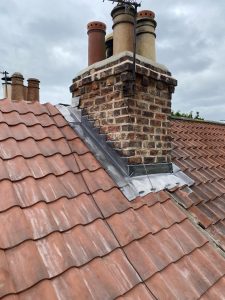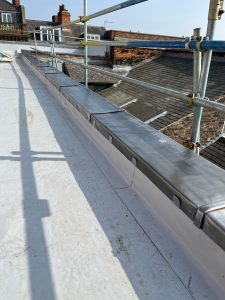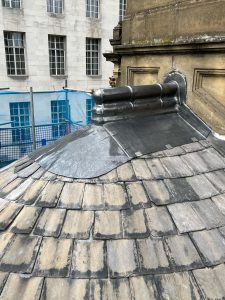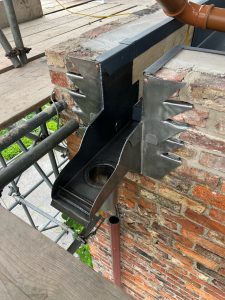



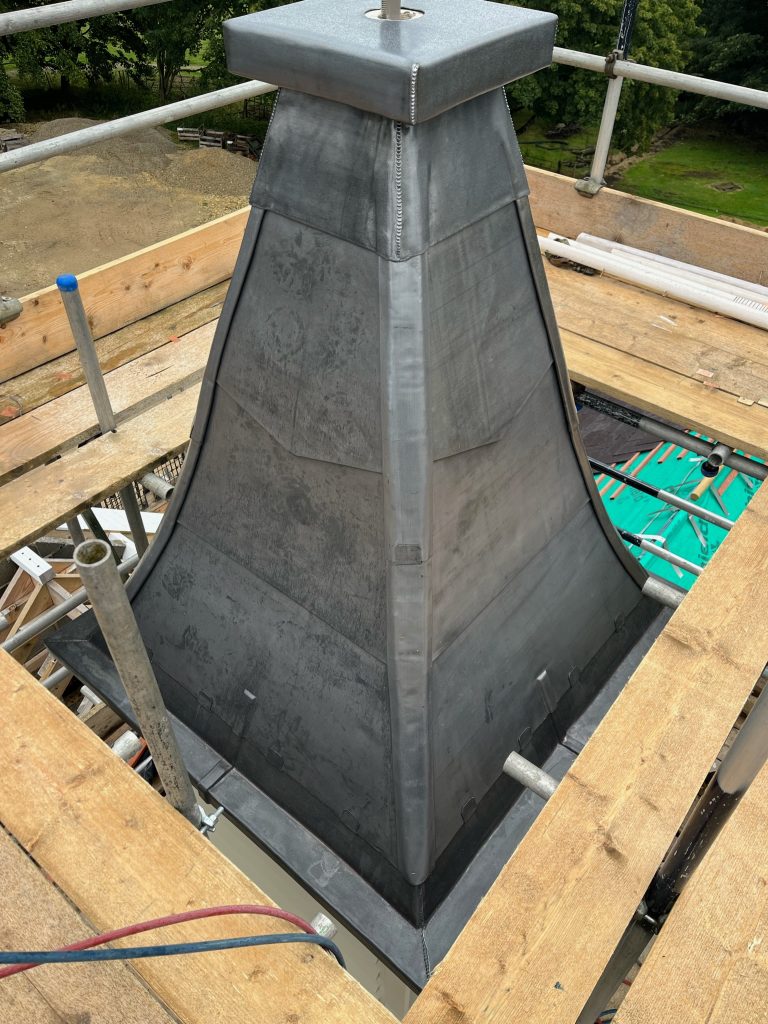


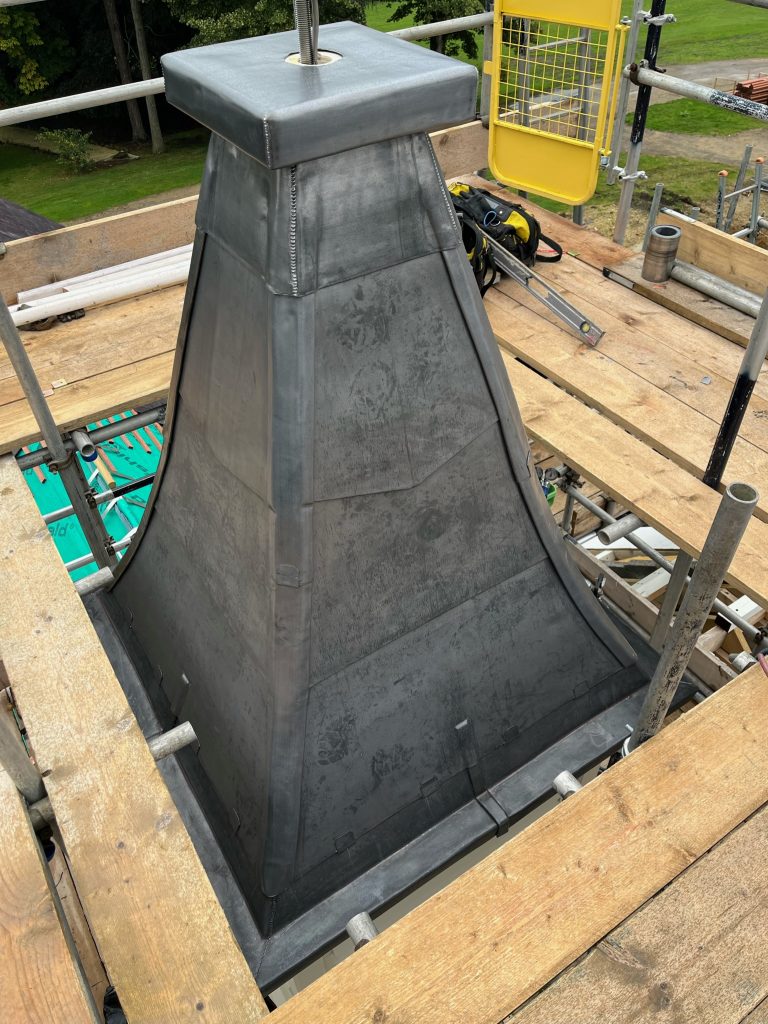

This lead cupola project was completed by our team in around 6 days.


The Lead Lads provide specialist leadwork services for cupolas, flat roofs, flashings, bays and bespoke architectural details.
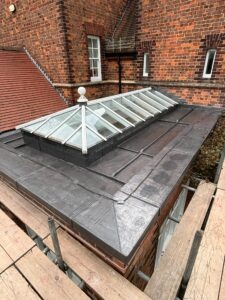
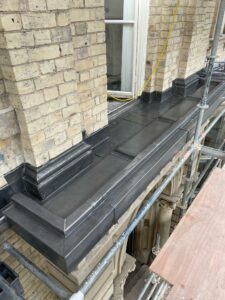
This project formed part of the wider leadwork package at Elleron Lodge, a large residential new build property in the North York Moors National Park. The building included a number of substantial flat roof areas and bespoke architectural features, with the cupola forming one of the more intricate leadwork details on the project.
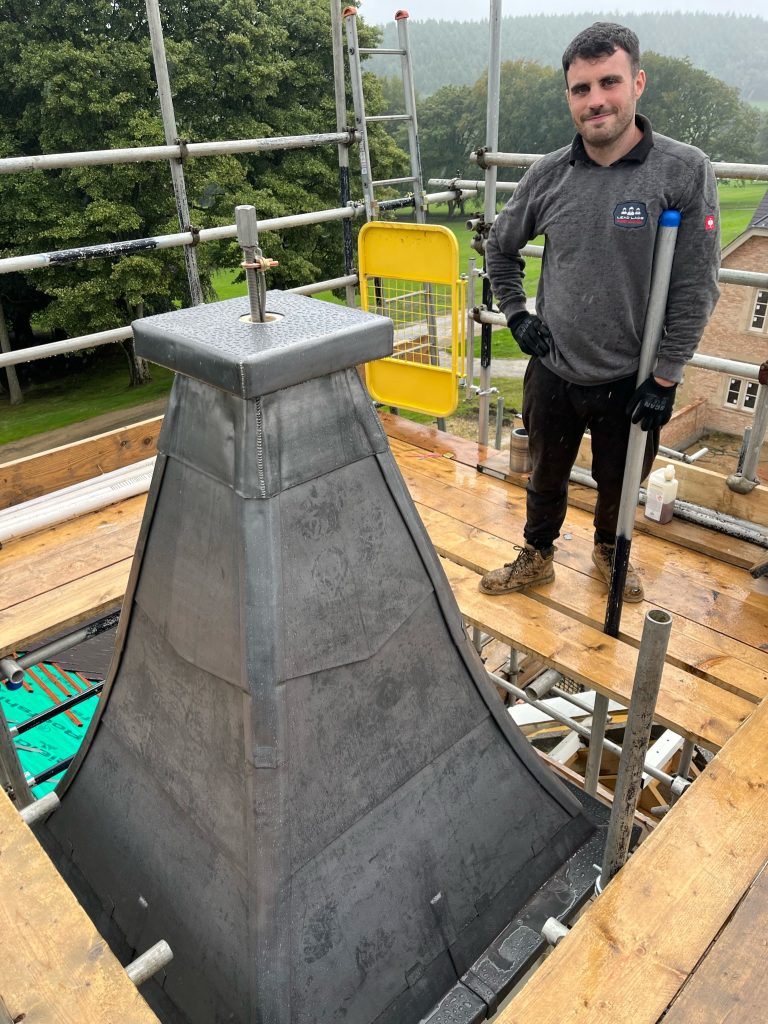
The architect’s brief was to clad a pre-formed cupola in lead while allowing for a weather vane detail to be retrofitted after the leadwork had been completed. Although relatively small compared with the wider roof areas, the cupola required a high level of precision because of its shape, exposed location and the need for a clean architectural finish.
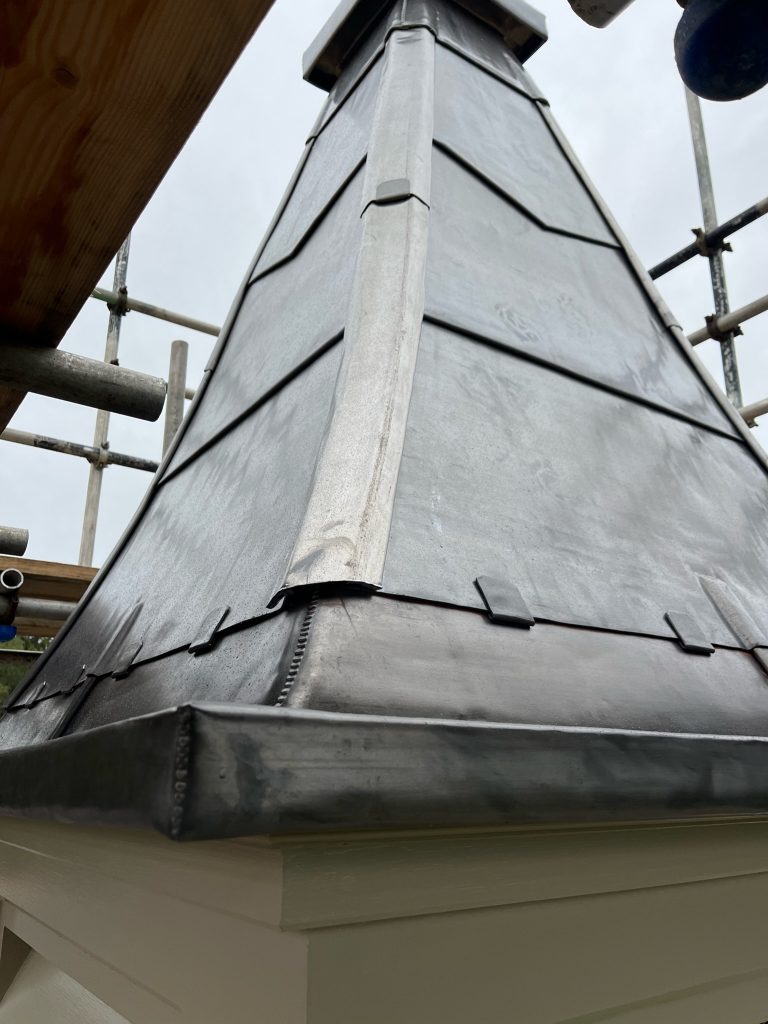
The finished detail was formed using Code 5 rolled lead sheet, exterior-grade plywood support, copper clips and stainless steel clips. The lead was dressed, bossed and formed into welted panels to suit the curved and angled geometry of the cupola.
Cupolas are highly exposed details because they sit above the main roofline and are affected by wind, rain and temperature movement from every direction. Any weakness in the cladding, corners, perimeter details or fixing positions can quickly allow water to penetrate beneath the covering.
This project also had the added requirement of a future weather vane installation. That meant the leadwork needed to provide a watertight finish while leaving the cupola ready for a later fitting without compromising the completed roof detail.
This project was completed using a standards-led approach focused on correct lead forming, secure clipping and durable detailing in an exposed location.
The key principle was to keep the leadwork secure while allowing natural movement. The cupola’s position meant that wind uplift and weather exposure had to be considered carefully, so the lead was formed in controlled panels, fixed with suitable clips and dressed neatly around the perimeter and upper detailing.
Contact us about leadwork More leadwork resources and guides The leadwork LinkThis project used a concise group of materials selected for strength, compatibility and reliable performance in an exposed roof position.
If you are trying to understand which code of lead is right for a similar detail, our shoppable lead chart is a useful starting point. For broader product learning, see The Lead Handbook and our lead roofing guides.
The Lead & Materials Used By Us 🛒 Lead Weight Calculator
A lead cupola is a small detail with a high technical demand. Because it sits above the main roofline, the leadwork must resist wind exposure, shed water from every face and remain secure around the full perimeter. The finish also needs to be accurate because cupolas are often prominent architectural features.
This project shows why lead is well suited to bespoke roof details. Code 5 lead can be dressed, bossed and formed into welted panels, allowing a complex shape to be covered neatly while maintaining movement allowance and long-term weathering performance.
Code 5 lead was used to form the cupola cladding and associated perimeter details.
Lead can be dressed, bossed and formed into panels, making it ideal for complex architectural shapes.
Clips secure the lead while allowing it to move naturally with temperature changes.
Yes, but the fixing position should be considered before the leadwork is completed to avoid damaging the detail later.
Welted panels are joined lead sections that create clean seams while helping manage movement and water shedding.
You can explore lead roll, clips, fixings and leadwork guides through the Lead Lads Shop.