The Lead Lads
Leadwork Failures
Technical guidance on defective leadwork, failed lead flashings, lead roof leaks, thermal movement, condensation, cracking and poor detailing.


Technical guidance on defective leadwork, failed lead flashings, lead roof leaks, thermal movement, condensation, cracking and poor detailing.
Leadwork is durable when it is correctly specified, supported and installed. However, defective lead roofing, failed flashings, leaking gutters and cracked lead details are common where workmanship, substrate design, bay sizing or fixing methods are wrong.
This page acts as a technical library for understanding why leadwork fails. It explains the common failure mechanisms found in lead roofs, lead flashings, lead gutters, bay roofs, dormers, valleys, chimney details and heritage leadwork.
The aim is to help homeowners, contractors, surveyors, architects and professional advisers understand the difference between simple ageing, poor detailing, installation defects and wider roof build-up problems.
Where independent diagnosis, defect reporting or remedial specification is required, clients may also wish to contact Strut Building Surveyors for professional inspection and reporting support.
Request Independent Review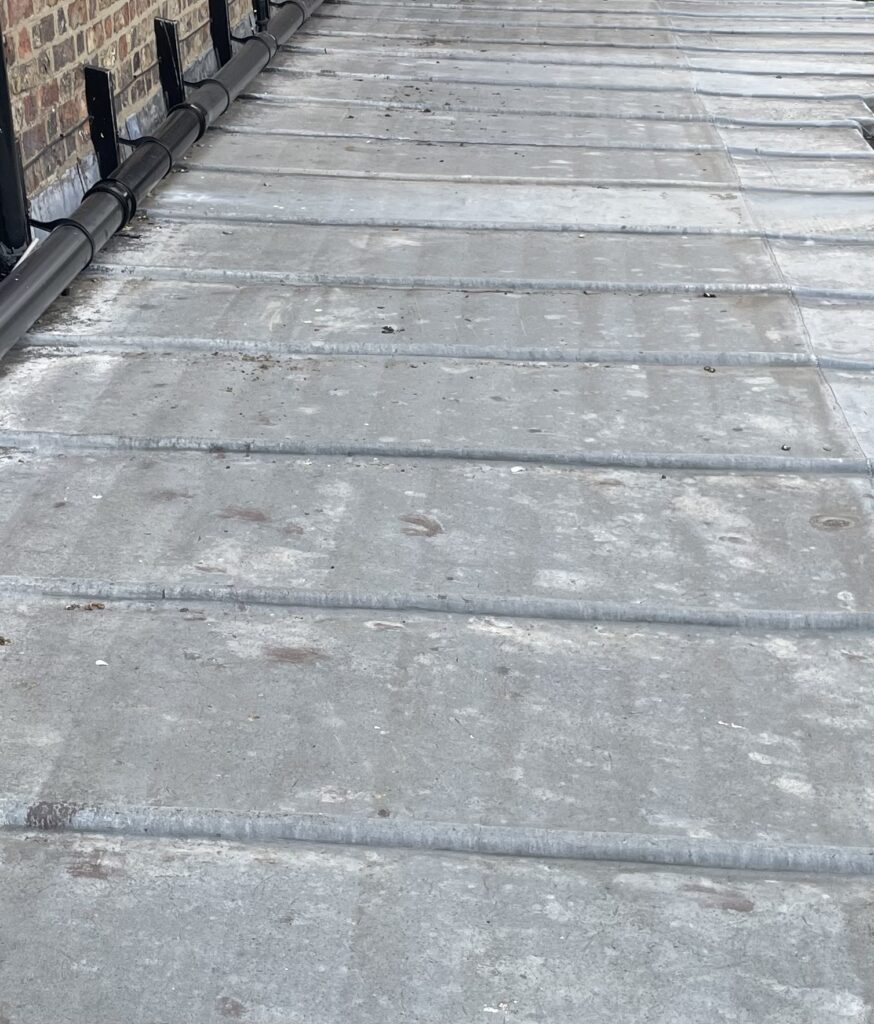
Cracking, splitting, staining, leaking, poor falls and premature failure.
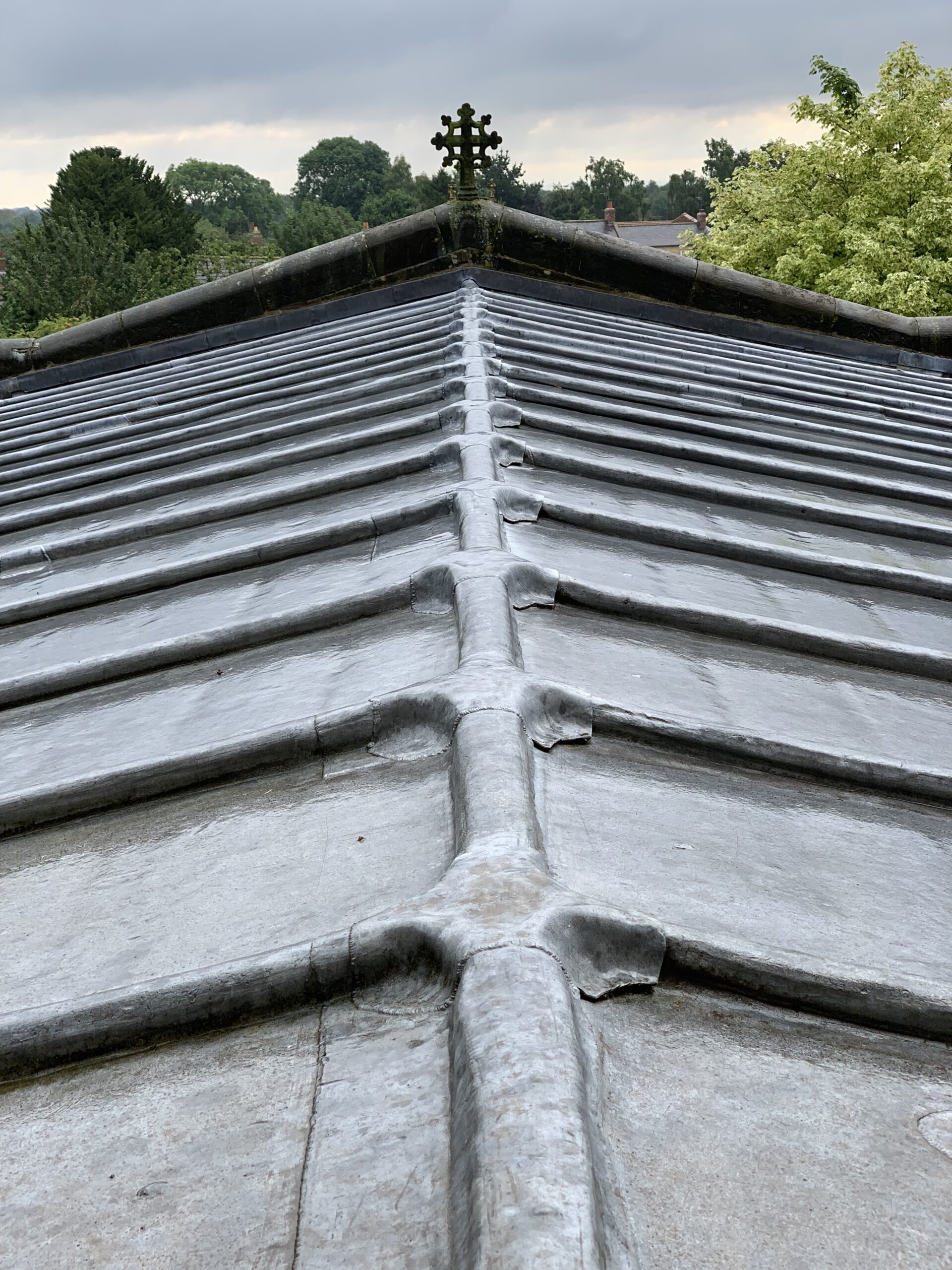
Understanding movement, substrate condition, moisture risk and poor detailing.

Independent inspection, defect reporting and remedial specification support.
This page introduces the common causes of leadwork failure and links defective leadwork back to standards, workmanship, substrate design, movement allowance, moisture control and professional inspection routes.
If the issue may involve poor workmanship, defective installation, water ingress, contractor dispute or remedial specification, independent reporting may be appropriate.
Contact Strut Surveyors View Leadwork StandardsLeadwork failure rarely has one single cause. In many cases, the visible defect is only the final symptom of a deeper design, installation or substrate problem. Lead expands and contracts with temperature change, depends on correct support, and must be detailed so that water is moved safely away from vulnerable junctions.
Common causes of failed leadwork include:
Lead sheet moves significantly as temperatures change. If the design does not allow that movement, the material can become stressed. Over time, this can result in cracks, tears, distortion, pulled fixings and leaks.
This is why BS 6915, LSTA guidance and good practical detailing all place strong emphasis on bay sizes, clips, laps, rolls, drips, fixings and movement allowance.
Lead flashing failures are one of the most common sources of roof leaks. Defects may appear around chimneys, wall abutments, parapets, dormers, roof junctions and side abutments.
Common flashing problems include shallow chases, poor pointing, incorrect laps, insufficient cover, badly formed soakers, poor wedging, cracked mortar, restrained cover flashings and details that direct water into vulnerable areas rather than away from them.
Lead gutters, valley gutters and parapet gutters require careful design. If falls, outlets, sumps, drips, bay sizes or overflow routes are wrong, water can pond or back up, placing stress on the lead and increasing the risk of leaks.
Drainage failure can also be linked to poor maintenance, blocked outlets, undersized rainwater goods or a roof geometry that was never properly considered in the first place.
The surface beneath the lead matters just as much as the lead itself. Leadwork needs stable, suitable support. If the deck is damp, uneven, poorly ventilated or incompatible with the chosen build-up, the finished covering may fail prematurely.
BS 6229 substrate principles are relevant where flat roof build-ups, condensation risk, drainage falls and insulation strategy need proper coordination.
Condensation beneath lead roofs may occur where cold roof ventilation is blocked, where vapour control is missing, or where insulation has been added without understanding the dew point and moisture pathway.
Lead can be bossed, welded and formed into complex shapes, but the method must suit the detail. Poor welding, excessive thinning, badly formed corners, weak stop ends and crude site repairs can all create future failure points.
Some details should be bossed. Others should be welded. In many cases, the correct choice depends on thickness, geometry, stress concentration, water route and expected movement.
Understanding leadwork failures requires reference to the right standards and guidance. The key technical references include:
Where failure is disputed, expensive, repeated or connected to possible poor workmanship, an independent inspection may be sensible before remedial work is agreed.
Strut Building Surveyors can assist with independent roofing defect inspections, leadwork failure reports, moisture investigations and remedial specification support where professional reporting is required.
Request Independent Inspection
Cracking, rippling and splitting can occur where lead is restrained or bay sizes are wrong.

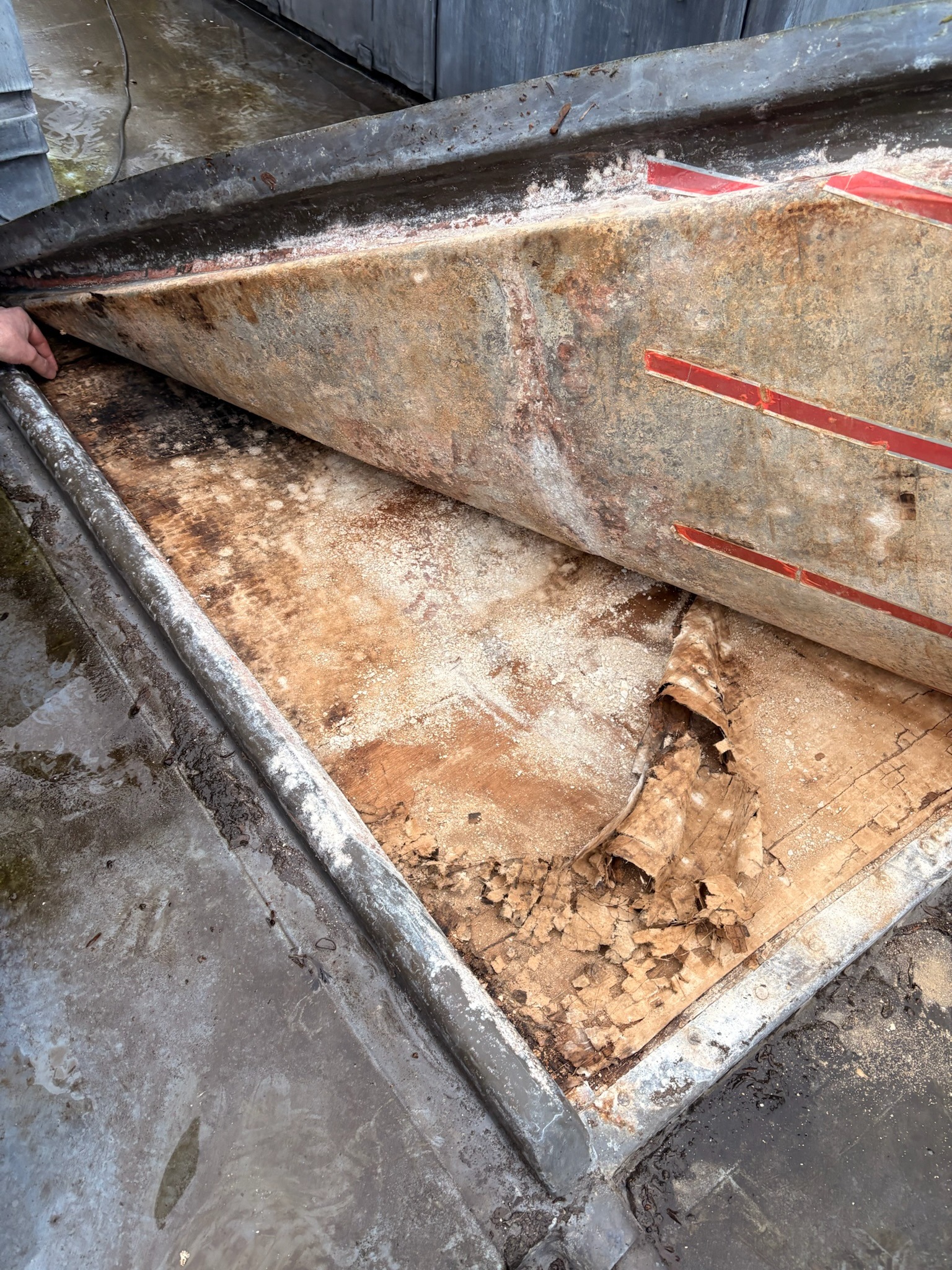
Condensation, damp decks and poor ventilation can undermine lead roof performance.
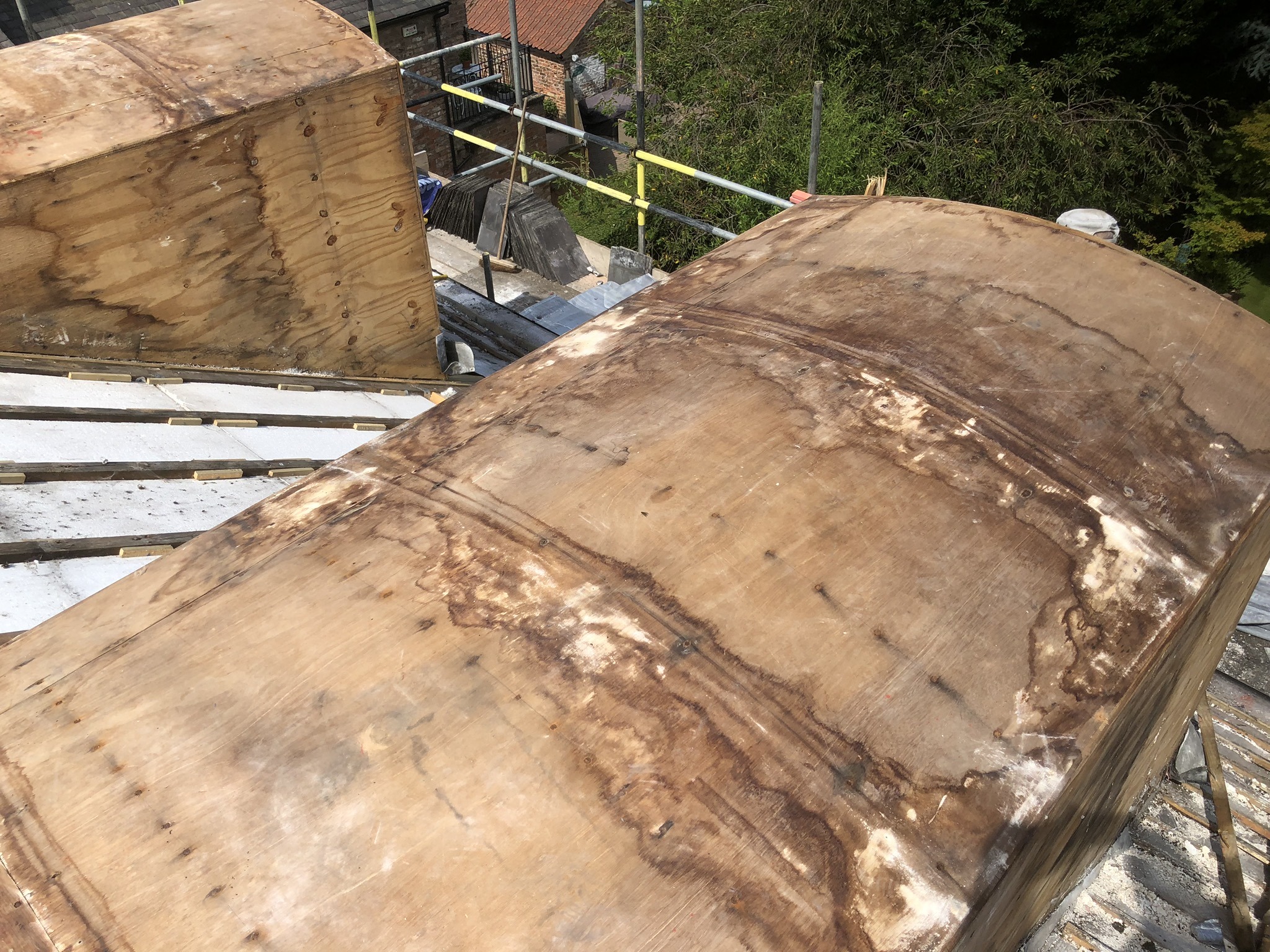
Failed flashings, gutters, outlets and abutments are common sources of water ingress.
Use the guide links below as a technical index. Some pages may be developed as the failure library expands.
Failures may need different levels of investigation depending on severity, cost and dispute status. Some issues can be diagnosed from visible detailing, while others require moisture assessment, access, opening-up or review of the roof build-up.
Leadwork failure is commonly caused by poor movement allowance, incorrect bay sizes, inadequate fixings, unsuitable substrates, poor drainage, failed flashings, condensation risk or defective workmanship.
Lead roofs often crack because the lead has been restrained, oversized, incorrectly fixed or forced to move in a way the detail does not allow. Thermal movement and fatigue are common causes of cracking.
Lead flashings may leak because of shallow chases, failed pointing, poor laps, incorrect soakers, insufficient cover, poor wedging, cracked mortar or details that have not been formed to shed water correctly.
Some failed leadwork can be repaired, but repeated failure, poor substrate condition or incorrect original detailing may require partial or full replacement. The correct approach depends on cause, condition and risk.
Important references include BS 6915 for leadwork design and installation, BS EN 12588 for rolled lead sheet material quality, BS 6229 for flat roof substrate principles and LSTA guidance for practical detailing.
Specialist contractors can advise on workmanship and remedial options. Where independence, dispute support or formal reporting is needed, a building surveyor or roofing defect specialist such as Strut Building Surveyors may be appropriate.

The Lead Lads ® Lead Roof Guide Summer Maintenance Summer Lead Roof Maintenance Guide Summer [...]
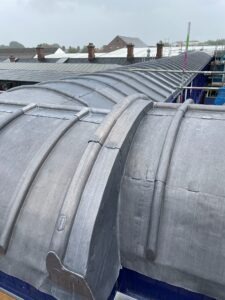
Latest News The Lead Lads® Launch UK Franchise Model A controlled expansion designed to professionalise [...]
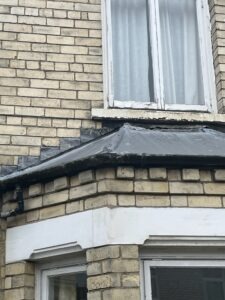
The Lead Lads ® Lead Roof Guide Spring Inspection Spring Lead Roof Inspections — How [...]
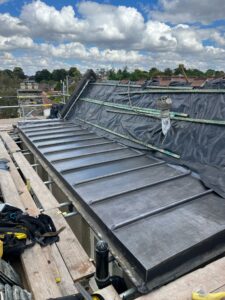
#Proper Leadwork: Lead Ventilation & Condensation—Warm vs Cold Roof Strategies Interstitial condensation is one of [...]
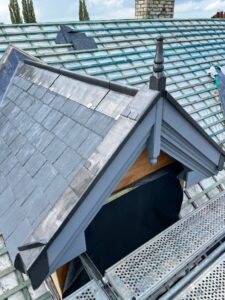
#Proper Leadwork: Edge-to-Edge Detailing—Ridges, Verges & Abutments without Stress Ridges and verges frame the roofline. [...]
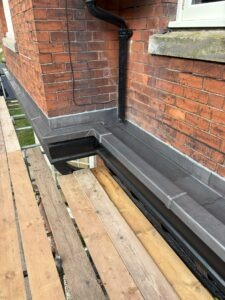
#Proper Leadwork (2026): Upstands & Drips—Heights, Throatings & Edge Geometry Welcome to the New Year [...]

#Proper Leadwork: Lead Soakers—Sizing, Gauges & Interfaces with Slate and Tile Discreet but essential, lead [...]
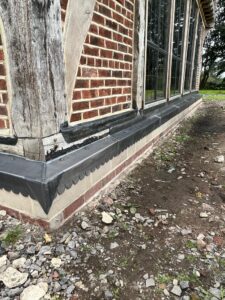
#Proper Leadwork: Cornices, Cappings & Cills—Fixing to Masonry without Cracks Beautiful façades deserve durable lead [...]
Understanding leadwork failures is part of understanding proper leadwork. Failed lead roofs, flashings and gutters often reveal where movement, substrate design, drainage or workmanship has not been properly considered.
The Lead Lads provide specialist leadwork services. Where an independent report, defect diagnosis or remedial specification is required before works are instructed, clients may also wish to contact Strut Building Surveyors.
Contact The Lead Lads Contact Strut Surveyors