The Lead Lads
Restrained Leadwork
Technical guidance on restrained leadwork, lead roof cracking, buckling, splitting, poor fixings, trapped edges and movement-related leadwork failure.


Technical guidance on restrained leadwork, lead roof cracking, buckling, splitting, poor fixings, trapped edges and movement-related leadwork failure.
Lead is a movement-sensitive roofing material. It performs extremely well when it is correctly detailed, correctly fixed and allowed to move. However, when lead is trapped, over-fixed, sealed, pinned or restrained by surrounding materials, stresses can build until the sheet deforms or fails.
This guide explains why restrained leadwork fails, how restraint develops, and why visible symptoms such as cracked lead, buckled sheets, rippling, split flashings and lifted edges often point to deeper detailing problems.
The aim is to help homeowners, contractors, surveyors, architects and professional advisers understand the relationship between lead movement, workmanship, bay sizing, fixings, substrate design and recognised leadwork standards.
Where independent diagnosis, defect reporting or remedial specification is required, clients may also wish to contact Strut Building Surveyors for professional inspection and reporting support.
Request Independent Review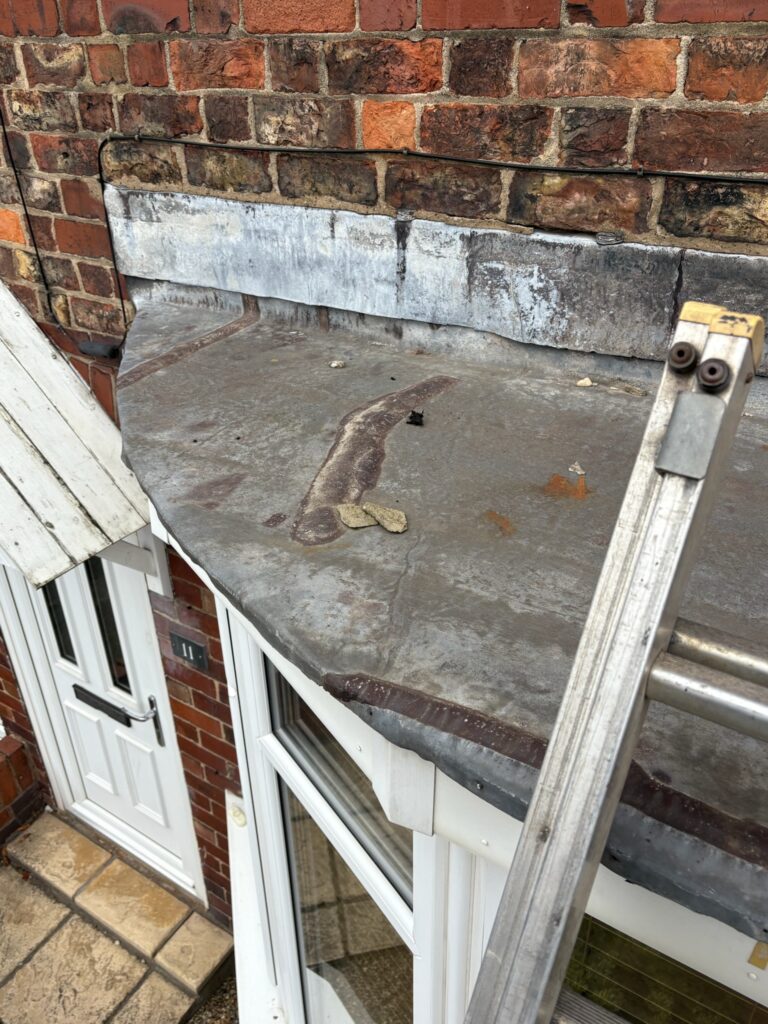

Lead can fail when it is trapped by fixings, mortar, sealant, timber, masonry or adjacent materials.
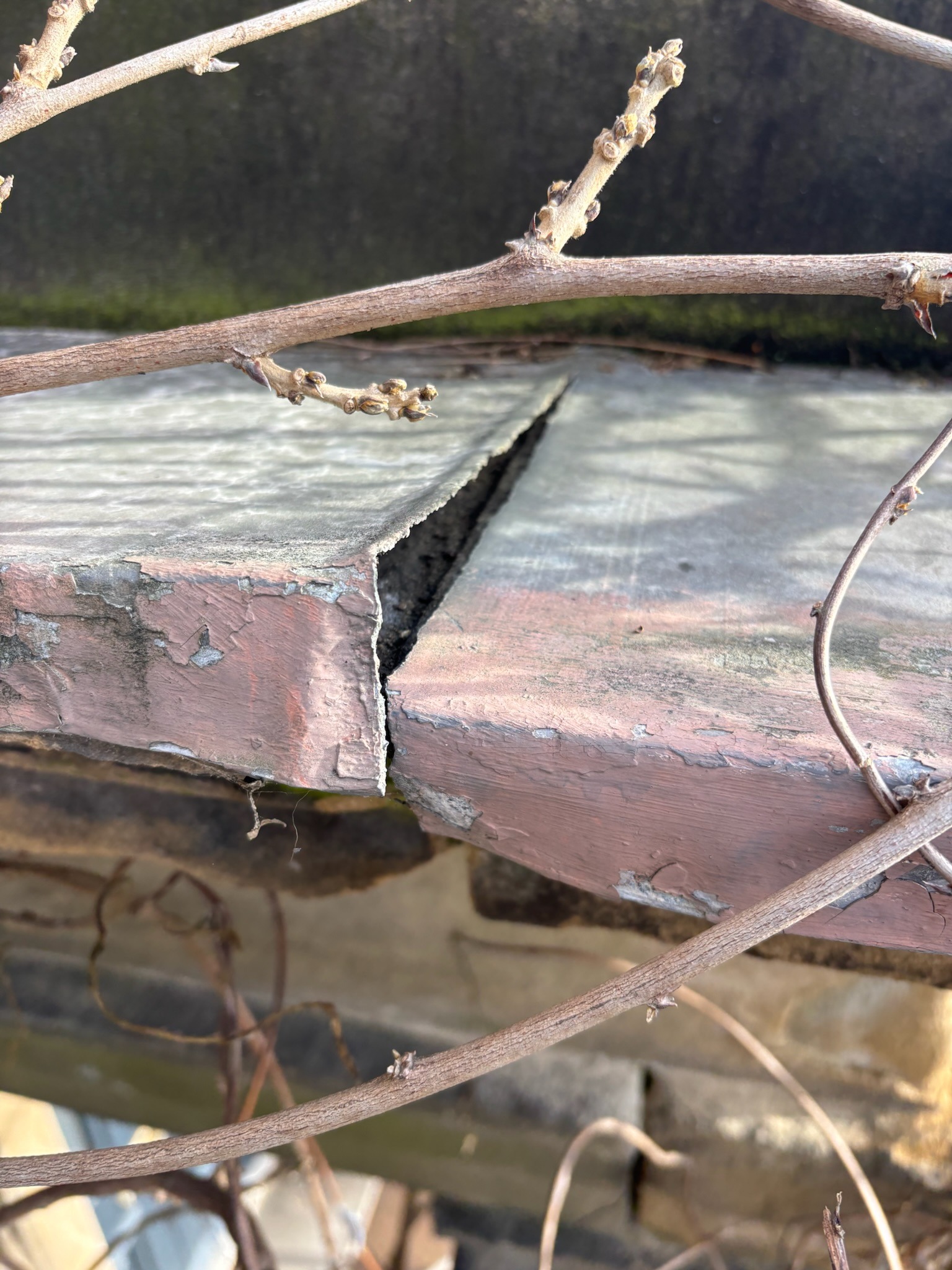
Fatigue cracking, splitting and buckling often develop where lead cannot move naturally.

Independent inspection can identify whether restraint, workmanship or design caused the failure.
This page explains how restrained leadwork fails, how movement-related stress develops and how defects such as cracking, buckling, splitting and pulled flashings relate to fixing methods, trapped edges, sealant, mortar restraint, poor detailing and bay design.
If the issue involves cracked lead, buckled leadwork, water ingress, poor workmanship or a contractor dispute, independent reporting may be appropriate.
Contact Strut Surveyors View Leadwork FailuresRestrained leadwork is lead sheet that has been prevented from moving as temperatures rise and fall. Lead naturally expands in warm conditions and contracts in colder conditions. Proper leadwork must allow for this movement through suitable bay sizes, laps, fixings, clips, rolls, drips, welts and edge detailing.
When lead is fixed too tightly, trapped beneath masonry, sealed into position, pinned at both ends or forced into a rigid detail, movement stress builds up. Over repeated heating and cooling cycles, that stress can cause visible deformation, cracking and leakage.
Common causes of restrained leadwork include:
Lead needs to be held securely, but it should not be fixed in a way that stops it from moving. Over-fixing is a common workmanship defect where the installer treats lead like a rigid sheet material rather than a flexible, moving weathering layer.
Problems often appear where lead has been nailed along both sides, screwed down, clamped beneath rigid trims, built tightly into masonry, trapped behind timber or sealed hard against adjacent materials. In these situations, the lead may initially appear neat, but stress can develop quickly.
Sealant can sometimes be useful as a temporary measure, but it should not be used to compensate for poor leadwork detailing. Where sealant, coatings or mortar are used to hold lead in position, they can restrict movement and create new failure points.
Surface patching over cracked lead rarely solves the underlying problem. If restraint remains, the lead may crack again beside the repair, at a fixing point, along a lap or at the next weakest location.
Lead flashings need secure chases, correct cover, suitable laps and proper fixing. However, they also need enough freedom to move. If a long flashing is trapped at both ends, pointed too rigidly or pulled tight into an uneven chase, it can buckle, split or pull away from the wall.
This is particularly common around chimneys, parapets, abutments and dormer side details where masonry, roof coverings and flashing components all meet in a confined area.
Restrained leadwork is often closely linked to incorrect bay design. If individual sheets are too large, rolls are spaced incorrectly or drips are missing, there may be no practical way for the lead to move without stress.
Visible symptoms may include rippling, raised areas, fatigue cracks, splits beside rolls, tearing at corners, pulled clips, distorted laps and leaks that recur after repeated patch repairs.
Restrained leadwork may not leak immediately. Early symptoms can include distortion, uneven weathering, slight lifting, opened laps, cracked pointing or stress lines in the sheet. Over time, these minor defects can become water entry routes.
Water may then track behind flashings, beneath roof coverings, into timber substrates or through concealed gutter and abutment details. Internal damp may appear some distance away from the visible external defect.
Restrained leadwork should be considered in relation to recognised leadwork guidance and workmanship principles. Useful references include:
Where leadwork has cracked, buckled, split or failed prematurely, independent inspection may be sensible before remedial works are agreed. This is especially true where the issue is disputed, repeated, expensive or potentially linked to defective workmanship.
Strut Building Surveyors can assist with roofing defect inspections, restrained leadwork failure reports, moisture investigations and remedial specification support where professional reporting is required.
Request Independent Inspection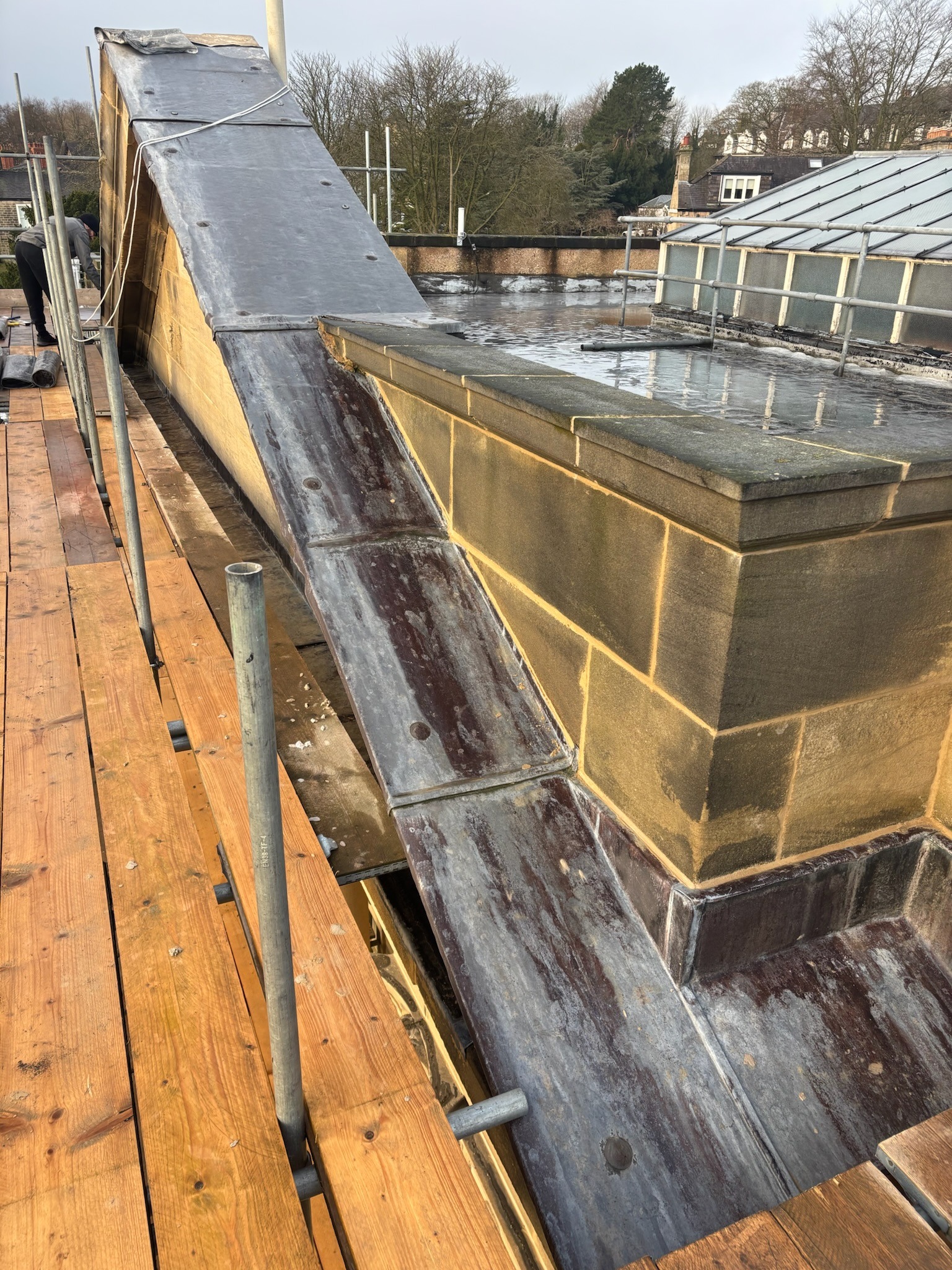
Lead can crack where nails, screws or clips hold the sheet too tightly.

Mortar, sealant, timber and masonry can all restrain lead if detailed incorrectly.
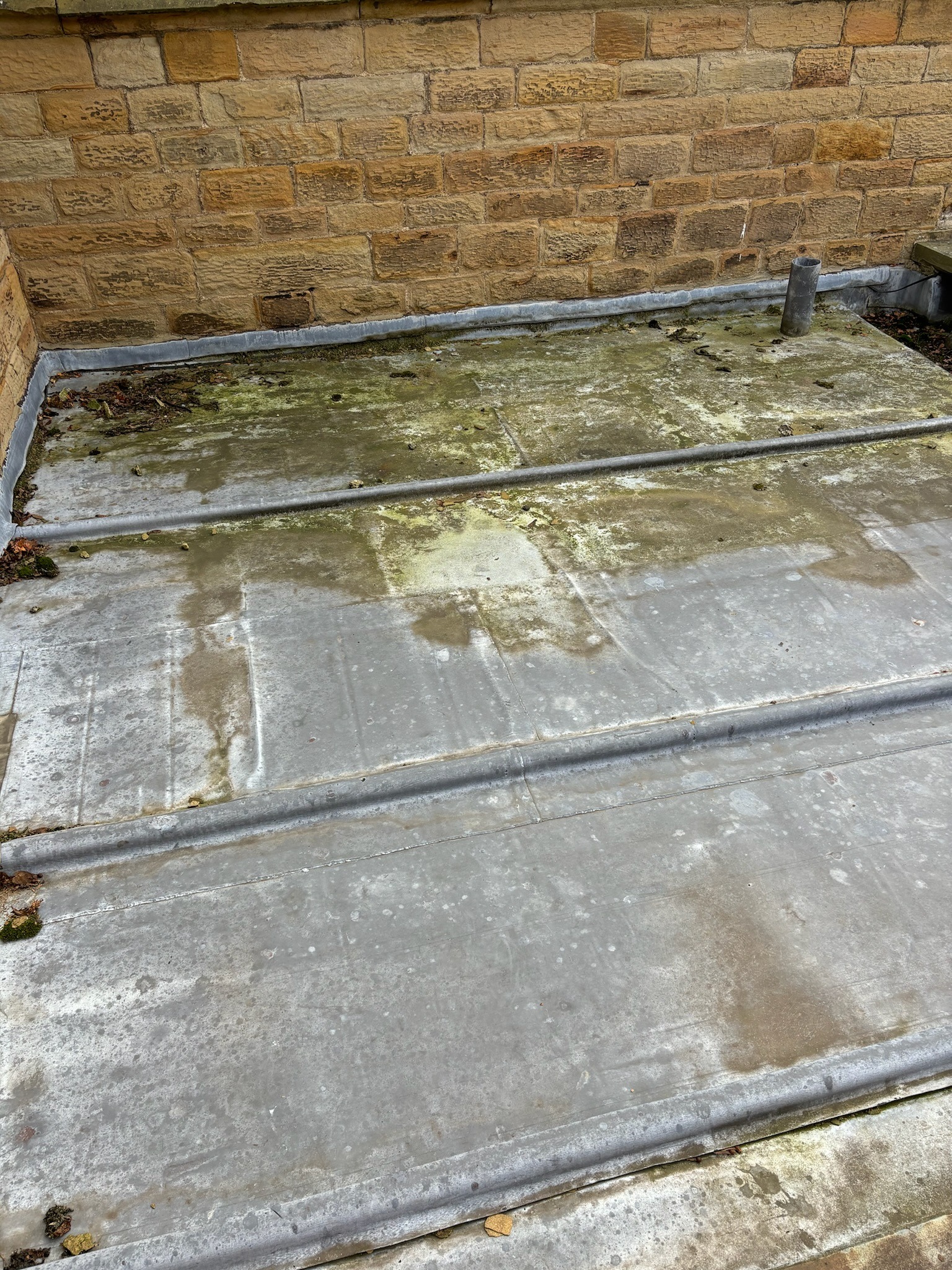
Independent reporting can identify whether cracking relates to restraint, workmanship or design.
Use the guide links below as a technical index. Some pages may be developed as the failure library expands.
Restrained leadwork failures may require different levels of investigation depending on severity, access, dispute status and whether the defect is visible or connected to concealed substrate, fixing or interface issues.
Restrained leadwork is lead sheet that has been prevented from expanding and contracting naturally. This can happen because of over-fixing, trapped edges, sealant, mortar, poor bay design or incorrect detailing.
Restrained leadwork cracks because repeated thermal movement creates stress in the sheet. If the lead cannot move freely, fatigue can develop and cracks may appear at fixings, corners, laps, rolls or stress points.
Sealant can contribute to failure where it locks lead into position or is used as a substitute for proper chasing, fixing, lapping or movement detailing. It may provide temporary weathering but does not correct poor leadwork design.
Common signs include rippling, buckling, lifted edges, pulled fixings, cracked pointing, split lead, stress lines, distorted laps and recurring leaks after patch repairs.
Some localised failures can be repaired, but if the underlying detail continues to restrain the lead, patching may only be temporary. Proper remediation may require redesigning bays, fixings, rolls, drips, chases or substrate support.
A specialist leadwork contractor can advise on practical repair or replacement. Where independence, dispute support or formal reporting is required, a building surveyor or roofing defect specialist such as Strut Building Surveyors may be appropriate.

The Lead Lads ® Lead Roof Guide Summer Maintenance Summer Lead Roof Maintenance Guide Summer [...]
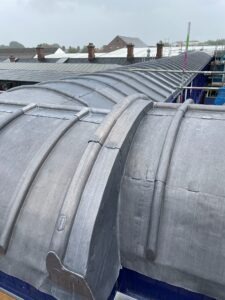
Latest News The Lead Lads® Launch UK Franchise Model A controlled expansion designed to professionalise [...]
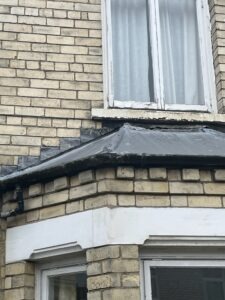
The Lead Lads ® Lead Roof Guide Spring Inspection Spring Lead Roof Inspections — How [...]
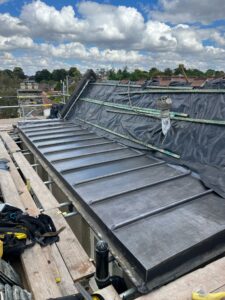
#Proper Leadwork: Lead Ventilation & Condensation—Warm vs Cold Roof Strategies Interstitial condensation is one of [...]
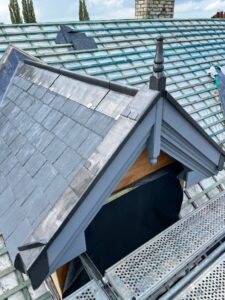
#Proper Leadwork: Edge-to-Edge Detailing—Ridges, Verges & Abutments without Stress Ridges and verges frame the roofline. [...]
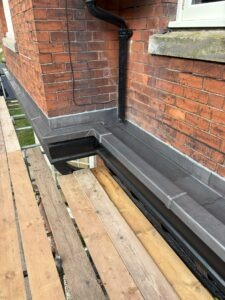
#Proper Leadwork (2026): Upstands & Drips—Heights, Throatings & Edge Geometry Welcome to the New Year [...]

#Proper Leadwork: Lead Soakers—Sizing, Gauges & Interfaces with Slate and Tile Discreet but essential, lead [...]
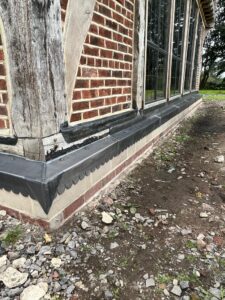
#Proper Leadwork: Cornices, Cappings & Cills—Fixing to Masonry without Cracks Beautiful façades deserve durable lead [...]
Understanding restrained leadwork is central to understanding proper leadwork. Cracked, buckled or split lead often reveals where fixings, edges, bays, sealants, chases or workmanship have prevented the material from moving naturally.
The Lead Lads provide specialist leadwork services. Where an independent report, defect diagnosis or remedial specification is required before works are instructed, clients may also wish to contact Strut Building Surveyors.
Contact The Lead Lads Contact Strut Surveyors