The Lead Lads
Thermal Movement in Lead Roofs
Technical guidance on lead roof movement, fatigue cracking, splitting, buckling, incorrect bay sizes and restrained leadwork.

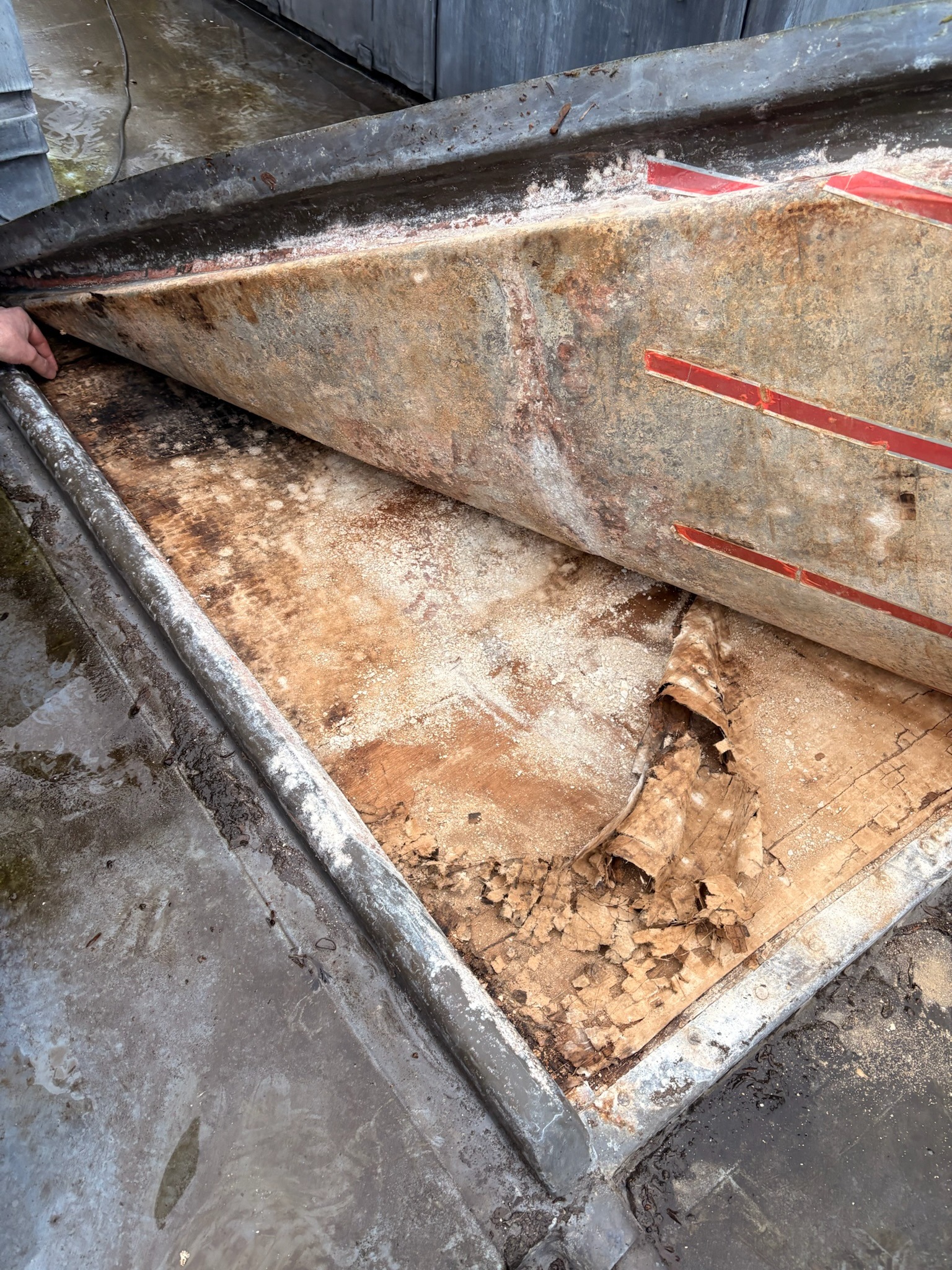
Technical guidance on lead roof movement, fatigue cracking, splitting, buckling, incorrect bay sizes and restrained leadwork.
Thermal movement is one of the most important principles in proper leadwork. Lead sheet is durable, flexible and long-lasting when it is allowed to move correctly. However, when it is fixed too tightly, laid in oversized bays or forced into unsuitable details, stress can build up until the material fails.
This guide explains how thermal movement affects lead roofs, flashings, gutters, bays, dormers and weathering details. It also explains why leadwork can ripple, split, crack, pull away from fixings or leak where movement has not been properly considered.
The aim is to help homeowners, contractors, surveyors, architects and professional advisers understand the difference between normal movement, poor detailing and defective leadwork.
Where independent diagnosis, defect reporting or remedial specification is required, clients may also wish to contact Strut Building Surveyors for professional inspection and reporting support.
Request Independent Review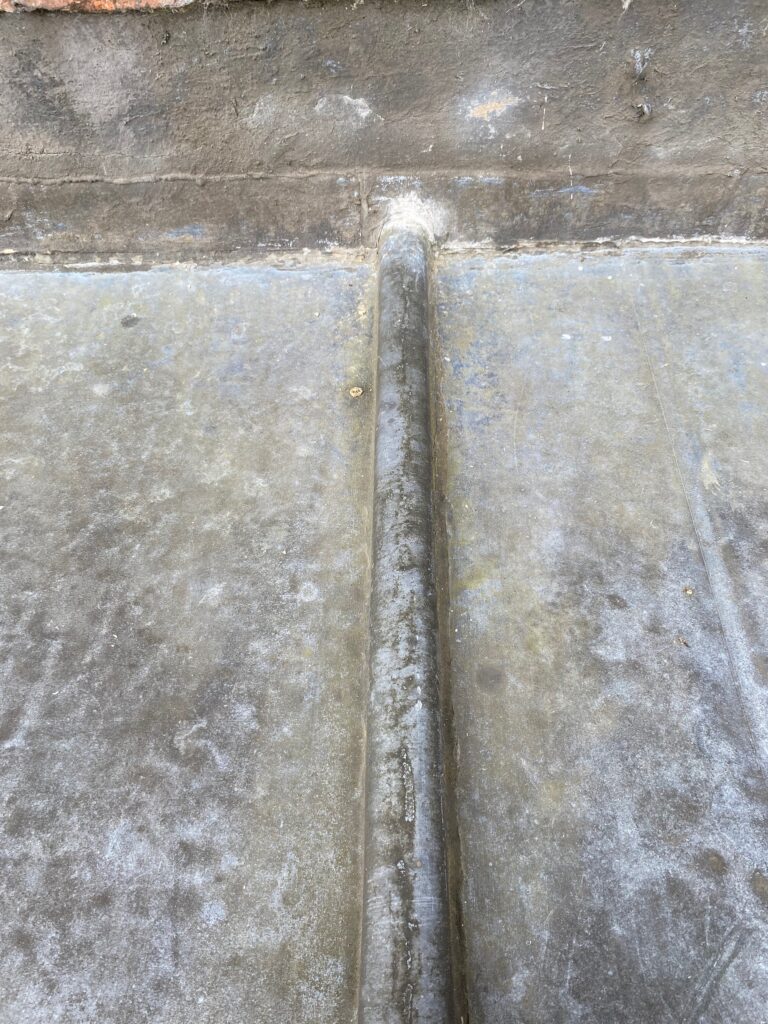

Fatigue cracking can develop where lead is restrained or forced beyond practical movement limits.

Rippling, distortion and buckling often indicate poor bay sizing, fixing or restraint.

Independent inspection can identify whether failure relates to movement, workmanship or design.
This page explains why lead moves, how movement-related failures develop, and how cracking, splitting, buckling and distorted leadwork relate to bay sizing, fixings, substrate design, workmanship and recognised leadwork guidance.
If the issue involves cracking, splitting, buckling, water ingress, poor workmanship or a contractor dispute, independent reporting may be appropriate.
Contact Strut Surveyors View Leadwork FailuresLead expands when it warms and contracts when it cools. This is normal material behaviour. Proper leadwork is designed around that movement, allowing the sheet to move without tearing, buckling or placing undue stress on fixings, joints or surrounding details.
Movement-related failure usually occurs when the lead has been restrained, oversized, poorly fixed or forced into a detail that does not allow natural expansion and contraction.
Common causes of thermal movement failure include:
Lead sheet should not be installed in uncontrolled large areas. Bay size matters because each sheet needs to move safely within the limits of the detail. Where bays are too large, stress builds up as the sheet expands and contracts repeatedly.
Over time, this repeated stress can cause fatigue cracking. Cracks may appear across the sheet, near fixings, at corners, beside rolls, along drip lines or where the lead has been pulled tight against an edge.
Splitting and buckling often indicate that the lead has not been allowed to move freely. Buckling can appear as rippling, raised areas, waves or distortion in the sheet. Splitting may then follow where the stress becomes concentrated.
In some cases, the visible split is only the final symptom. The root cause may be incorrect roll spacing, poor fixity, substrate movement, restraint at an abutment, or inappropriate repairs that locked the lead in position.
Leadwork needs fixing, but it must be fixed intelligently. Fixings should hold the lead in position without preventing thermal movement. Incorrectly placed nails, screws, clips or rigid fixings can create stress points and lead to premature cracking.
This is why BS 6915 and LSTA guidance matter. Movement control is not optional; it is fundamental to durable leadwork.
Rolls, drips, welts and joints help divide leadwork into manageable sections. They allow water to be shed while also helping the material move without overstress. Where these details are missing, poorly spaced or incorrectly formed, the lead may fail earlier than expected.
Movement details should be considered at design stage, not added as an afterthought once a roof has already cracked or leaked.
Movement failure does not always start as an obvious hole. It can begin with rippling, pulling, slight lifting, cracked pointing, loosened clips or small fatigue lines. Over time, these weak points can become water entry routes.
Leaks may then appear inside the building some distance away from the visible external defect, especially where water tracks beneath coverings, along timber, behind flashings or through the substrate.
Thermal movement failures should be considered in relation to recognised leadwork guidance and workmanship principles. Useful references include:
Where leadwork has cracked, buckled, split or failed prematurely, independent inspection may be sensible before remedial works are agreed. This is especially true where the issue is disputed, repeated, expensive or potentially linked to defective workmanship.
Strut Building Surveyors can assist with roofing defect inspections, leadwork movement failure reports, moisture investigations and remedial specification support where professional reporting is required.
Request Independent Inspection Repeated expansion and contraction can cause cracking where movement has not been allowed for.
Oversized sheets and poor roll spacing are common causes of premature leadwork failure.
Independent reporting can identify whether cracking relates to movement, workmanship or design.
Use the guide links below as a technical index. Some pages may be developed as the failure library expands.
Movement-related leadwork failures may require different levels of investigation depending on severity, access, dispute status and whether the defect is visible or connected to concealed substrate issues.
Thermal movement is the natural expansion and contraction of lead sheet as temperature changes. Proper leadwork must allow for this movement through suitable bay sizes, fixings, joints and detailing.
Lead roof sheeting often cracks because it has been restrained, fixed incorrectly, laid in oversized bays or detailed without enough allowance for expansion and contraction. Repeated movement can cause fatigue cracking over time.
Buckling is commonly caused by restrained movement, poor bay layout, inadequate rolls or drips, unsuitable fixings, substrate irregularities or lead sheet being forced into a detail that does not allow natural expansion.
Oversized lead bays can be a defect where the sheet cannot move safely within the detail. Excessive bay sizes can increase the risk of rippling, fatigue cracking, splitting and premature failure.
Some localised failures can be repaired, but if the underlying design is wrong, patching may only provide a temporary solution. Proper remediation may require redesigning bays, fixings, rolls, drips or substrate support.
A specialist leadwork contractor can advise on practical repair or replacement. Where independence, dispute support or formal reporting is required, a building surveyor or roofing defect specialist such as Strut Building Surveyors may be appropriate.

The Lead Lads ® Lead Roof Guide Summer Maintenance Summer Lead Roof Maintenance Guide Summer [...]
Latest News The Lead Lads® Launch UK Franchise Model A controlled expansion designed to professionalise [...]
The Lead Lads ® Lead Roof Guide Spring Inspection Spring Lead Roof Inspections — How [...]
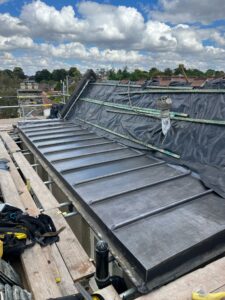
#Proper Leadwork: Lead Ventilation & Condensation—Warm vs Cold Roof Strategies Interstitial condensation is one of [...]
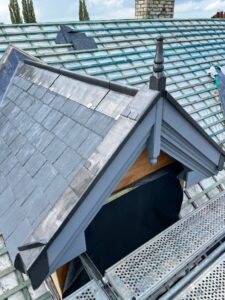
#Proper Leadwork: Edge-to-Edge Detailing—Ridges, Verges & Abutments without Stress Ridges and verges frame the roofline. [...]
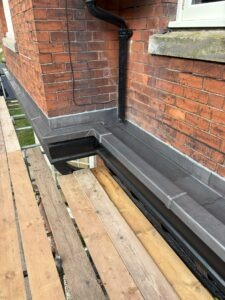
#Proper Leadwork (2026): Upstands & Drips—Heights, Throatings & Edge Geometry Welcome to the New Year [...]

#Proper Leadwork: Lead Soakers—Sizing, Gauges & Interfaces with Slate and Tile Discreet but essential, lead [...]
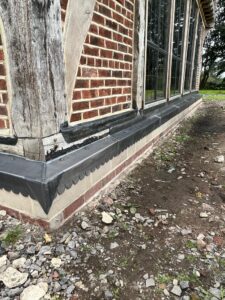
#Proper Leadwork: Cornices, Cappings & Cills—Fixing to Masonry without Cracks Beautiful façades deserve durable lead [...]
Understanding thermal movement is central to understanding proper leadwork. Cracked, buckled or split lead often reveals where bay sizing, fixing, detailing or workmanship has not allowed the material to perform naturally.
The Lead Lads provide specialist leadwork services. Where an independent report, defect diagnosis or remedial specification is required before works are instructed, clients may also wish to contact Strut Building Surveyors.
Contact The Lead Lads Contact Strut Surveyors