The Lead Lads
Lead Roofing Guide
A practical lead roofing guide covering rolled lead sheet, lead codes, flashings, gutters, substrates, standards and proper leadwork best practice.

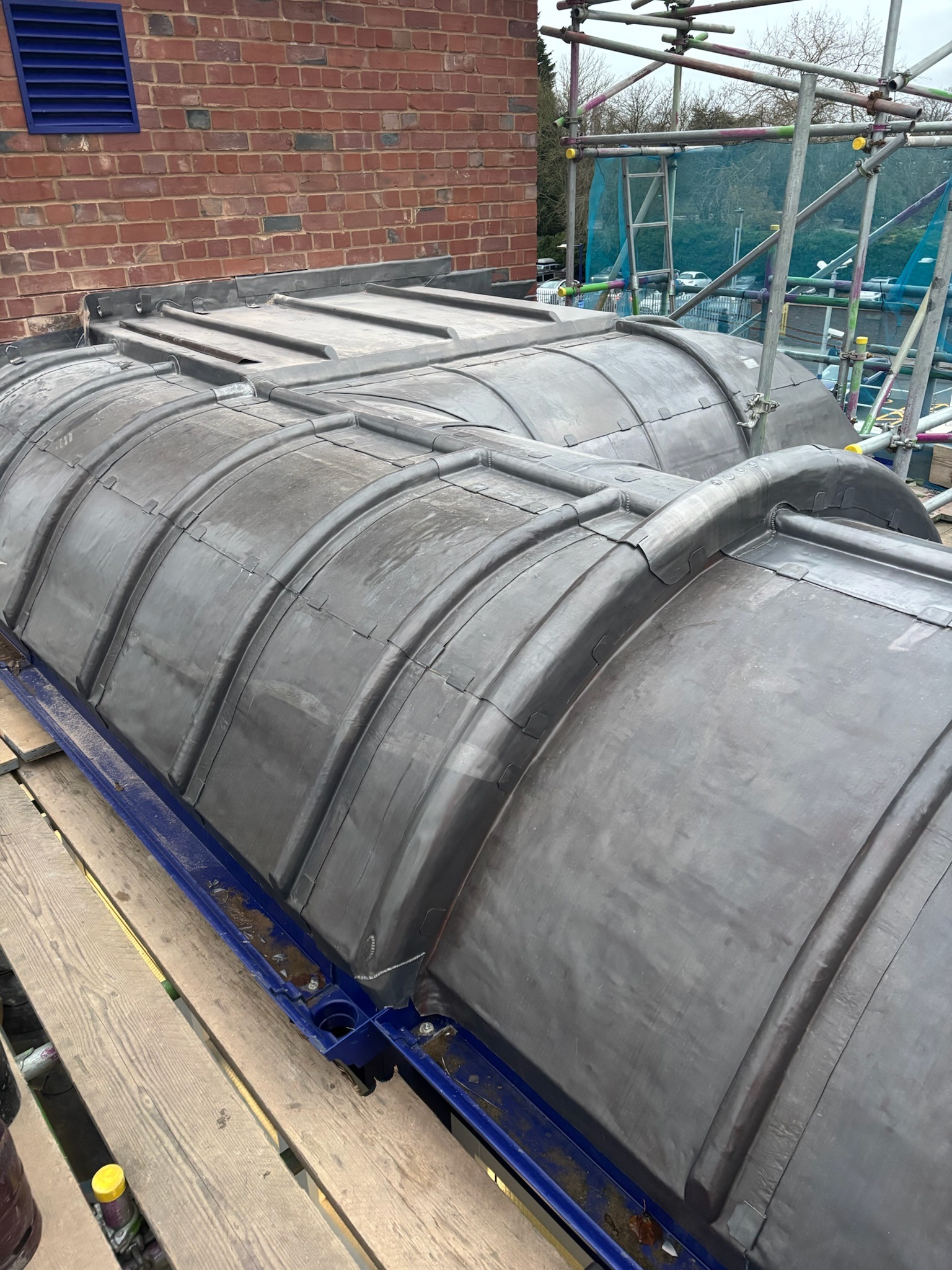
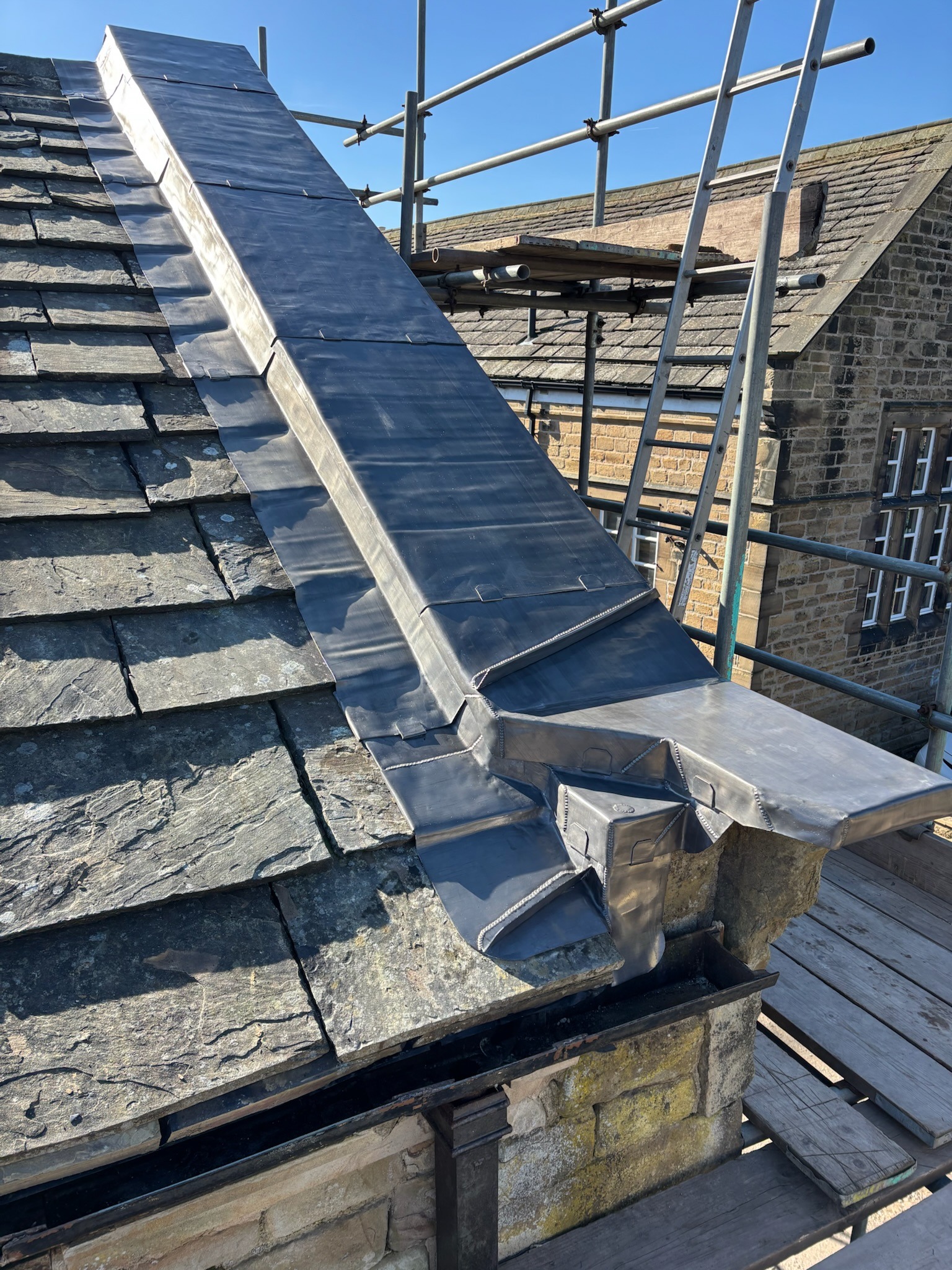
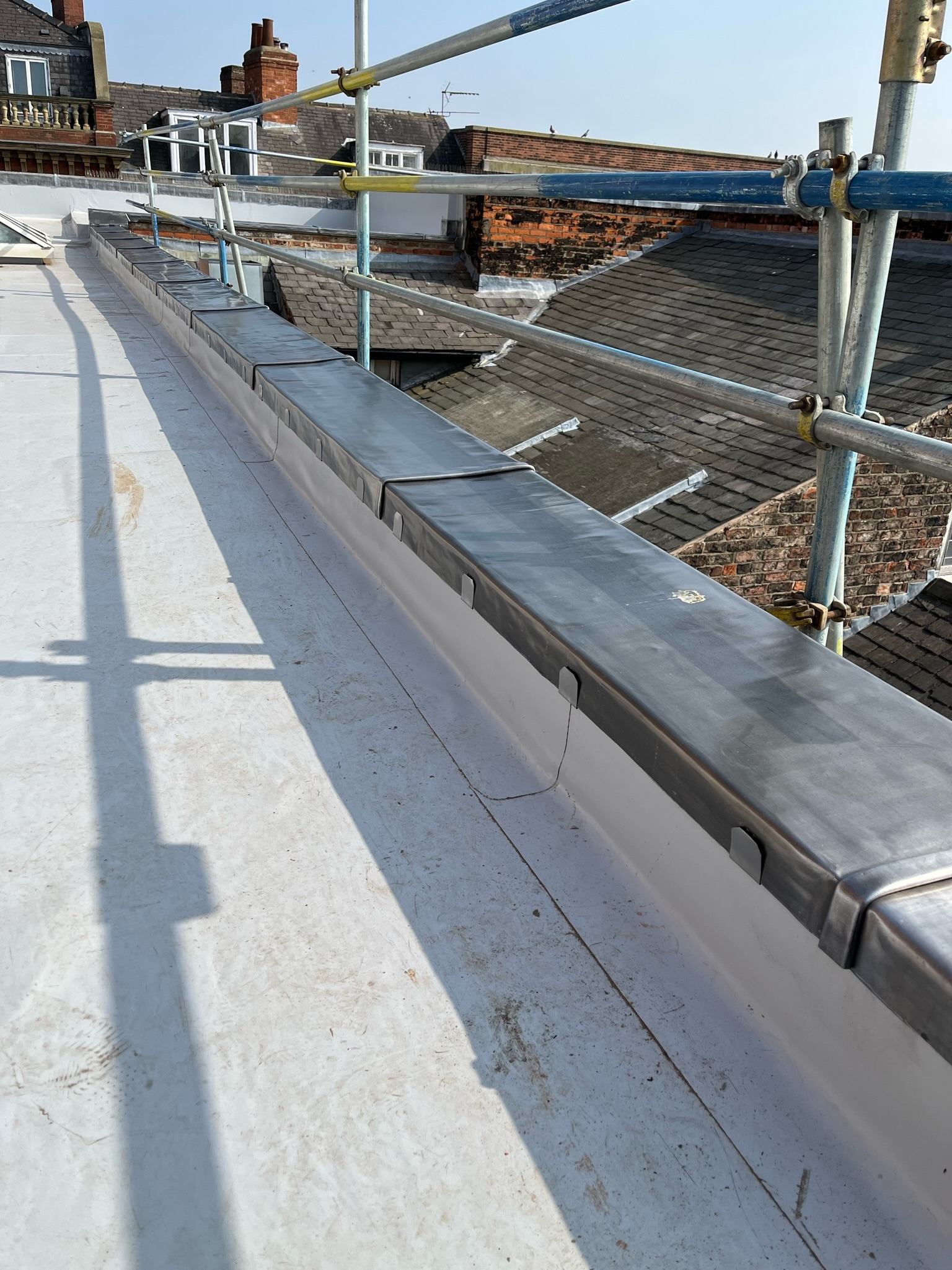
A practical lead roofing guide covering rolled lead sheet, lead codes, flashings, gutters, substrates, standards and proper leadwork best practice.
The Lead Roofing Guide hub acts as a central index for our wider series of leadwork guides. It brings together the core topics, from rolled lead sheet and lead codes through to flashing installation, gutters, dormers, chimneys, heritage detailing and more complex leadwork.
Each section links to detailed articles, Leadwork Standards pages and practical shop resources. As a result, it becomes easier to learn, specify and source the right materials for proper leadwork.
Whether you are a homeowner, contractor, roofer, surveyor, architect or specifier, this page is designed to help you move quickly toward sound lead roofing advice, correct detailing and standards-led workmanship.
Alongside our articles, you can also explore the Lead Roofing Guides, The Lead Handbook, lead chart, lead weight calculator and leadwork fixings.
Get in Touch

Guidance linked to BS 6915, BS 6229, BS EN 12588 and LSTA principles.

Craftsmanship in rolled lead sheet, lead roofing and practical detailing.
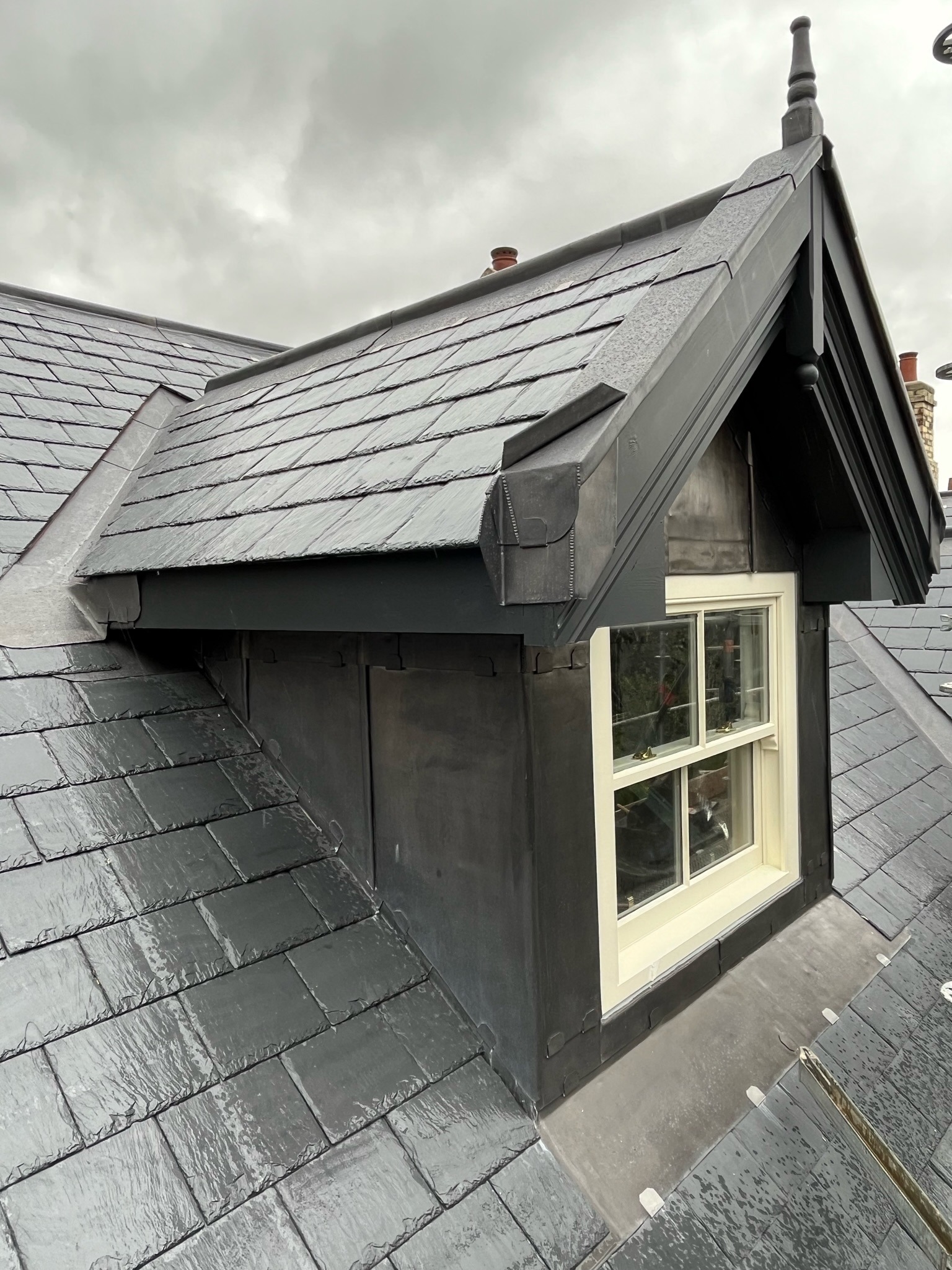
Guides, services, standards and product support in one place.
If you are new to leadwork, begin with rolled lead sheet codes, flashing installation and movement control. If you are specifying work, move next to the standards pages. If you need materials, browse the shop, guides and handbook. If you need installation support, contact The Lead Lads directly.
New to lead roofing?
Start with codes, movement and flashing details.
Buying materials?
Browse rolled lead sheet, fixings, guides and handbook resources.
Specifying work?
Review BS 6915, BS 6229, BS EN 12588 and LSTA guidance.
Need a contractor?
Send your enquiry to The Lead Lads.
Need materials? Visit The Lead Lads Shop for rolled lead sheet, clips, fixings and leadwork accessories.
Every guide in the series sits alongside our wider standards content, including BS EN 12588, BS 6915, BS 6229 and LSTA guidance. Consequently, it becomes easier to move from learning into specifying, checking a detail or buying the right products.
When you are ready to buy, visit our Lead Shop. Alternatively, browse the Lead Roofing Guides or explore The Lead Handbook for a broader knowledge-led resource.
This final support section brings together the most useful follow-on resources from the page, including FAQs, a practical checklist and direct links to standards, services, shop resources and technical references.
Book a site visit or request a standards-led project review aligned with LSTA guidance, BS 6915 and BS 6229.
Send Your Enquiry Recent ProjectsLSTA guidance provides practical workmanship and detailing direction. BS 6915 covers design and installation principles, while BS 6229 supports flat roof performance, including moisture, thermal and drainage considerations. Material selection links back to BS EN 12588 for rolled lead sheet.
The correct code depends on the application, exposure, bay size and level of movement expected. Flashings, gutters, bays and roof coverings all behave differently, so code selection should always sit alongside good detailing rather than in isolation.
Bay sizes need to stay within practical guidance, while laps, joints and fixings should allow thermal movement. Good movement control reduces the risk of fatigue, buckling and premature failure.
Stable, smooth and suitable substrates such as exterior-grade plywood or close-boarded softwood are common beneath rolled lead sheet. The supporting build-up should also be reviewed as part of the wider moisture and ventilation strategy.
You can browse rolled lead sheet, fixings, lead roofing guides, the lead chart and lead weight calculator through The Lead Lads Shop.
| Lead Roofing Guide | Practical best practice for the design, detailing and installation of lead roofs. |
| LSTA Guidance | Practical workmanship direction and typical leadwork detailing. |
| BS 6915 | Code of practice for leadwork design and installation. |
| BS 6229 | Flat roof performance, including thermal, moisture and drainage principles. |

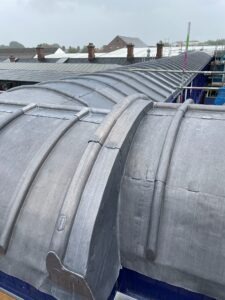
The Lead Lads ® Lead Roof Guide Summer Maintenance Summer Lead Roof Maintenance Guide Summer [...]
Latest News The Lead Lads® Launch UK Franchise Model A controlled expansion designed to professionalise [...]
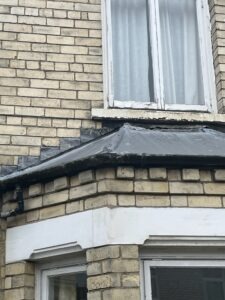
The Lead Lads ® Lead Roof Guide Spring Inspection Spring Lead Roof Inspections — How [...]
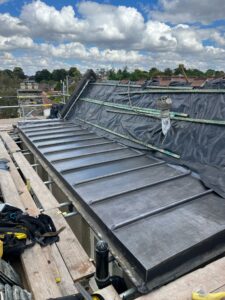
#Proper Leadwork: Lead Ventilation & Condensation—Warm vs Cold Roof Strategies Interstitial condensation is one of [...]
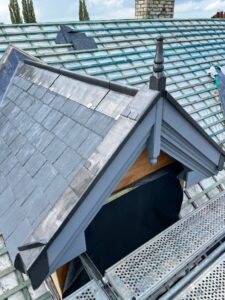
#Proper Leadwork: Edge-to-Edge Detailing—Ridges, Verges & Abutments without Stress Ridges and verges frame the roofline. [...]
Providing proper leadwork services to trade and public.
Our mission is simple: provide high quality services across a range of sectors in rolled lead sheet at a price that is fair, reasonable and proportionate to the skill, detailing and care involved.
Use this guide to move from general lead roofing knowledge into proper specification, material selection, standards-led detailing and installation support.
Contact The Lads